
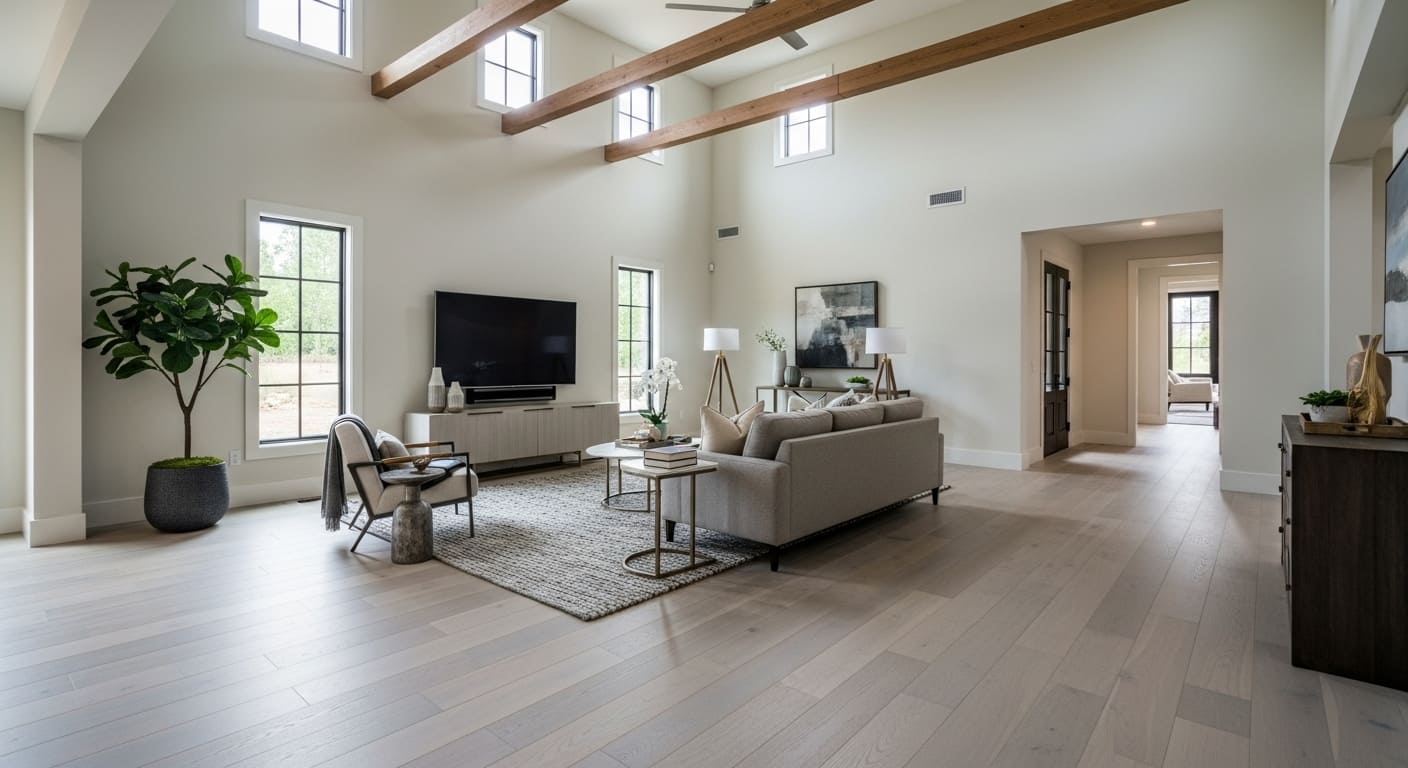
If you live in Canoga Park, you already know our homes carry a unique mix of character and climate challenges. From mid-century bungalows near Sherman Way to newer infill townhomes closer to Topanga Canyon Boulevard, the question most homeowners ask when considering an upgrade is what the overall investment for engineered wood floors will look like when all is said and done. While exact figures depend on choices and site conditions, the factors that shape the final picture are consistent. In this guide, I’ll walk you through what truly drives the investment for engineered wood flooring in our corner of the San Fernando Valley, how local conditions come into play, and how to plan for a smooth project. If you want a quick refresher on the material itself, explore the fundamentals of engineered hardwood early so the rest of this article lands with more clarity.
Think of the overall spend as the sum of materials, site preparation, installation craft, and finishing touches. Each one of those branches into smaller decisions, from veneer thickness and plank width to subfloor leveling and stairs. The outcome you see and feel underfoot is the result of dozens of tiny choices, and the way they interact with Canoga Park’s warm, dry summers and the occasional moisture event that can surprise a slab-on-grade home. Understanding these pieces before you begin helps you set a realistic plan and keep surprises to a minimum.
What engineered wood really is—and why it matters
Engineered wood is a layered product: a real hardwood wear layer bonded to a stable core—often plywood or high-density fiber layers—designed to reduce movement with changes in humidity. The top layer gives you the authentic look and feel of oak, hickory, maple, or other species, while the core supports that surface so it stays flatter across our seasonal shifts. In Canoga Park, we see indoor humidity dip in summer with air conditioning and rise a bit during winter rains, so that stable core helps minimize gapping and cupping.
The specifics of the product influence both performance and overall planning. A thicker veneer can be refreshed later, and a sturdier core tolerates minor substrate variation better. Finishes vary too—some are matte and low-sheen, others are glossier; some use UV-cured urethane, others rely on hardwax oil. Each choice subtly influences how the floor wears over time, how it should be cleaned, and how it will handle direct sunlight streaming through those large Valley-facing sliders.
Local factors that shape your investment
Homes in Canoga Park often sit on concrete slabs, especially in single-story houses. Slab conditions can vary. Tiny cracks are common; a gentle hump through a hallway is not unusual in older buildings. Those surface variations affect the prep required, and prep is one of the biggest, yet least glamorous, influences on a flooring project. Smoothing a slab to within tolerances for a floating or glue-down system can be a day’s work in one home and a multi-step process in another. Wood subfloors in older second-story additions bring their own considerations, such as squeaks that should be tightened before the new floor goes in.
Our climate adds another layer. The Valley’s summer heat can push indoor temperatures up if the home bakes in the afternoon sun. That warmth, combined with air conditioning and occasionally low humidity, makes expansion gaps and acclimation best practices vital. If the flooring is acclimated properly and the room is kept within recommended humidity ranges, you can expect the planks to behave predictably, minimizing seasonal movement.
Materials and specifications that influence value
Material selection is the heartbeat of your plan. Species affect durability and grain character; oak remains a favorite because it balances hardness with a forgiving grain that disguises small scratches well. Hickory reads more rustic and resilient, maple looks sleek but can show marks more readily, and exotic species introduce color variation that can be striking in modern remodels. Plank width shapes the visual rhythm of a room—wider boards feel more expansive and contemporary, narrow boards echo traditional styles. Thickness and veneer depth influence long-term service, adding potential for future refinishing where the product allows.
Underlayment and accessories matter too. In upstairs units or split-level homes, sound control can be a priority, making an acoustic underlayment essential. On slab, a moisture barrier underlayment could be required depending on readings taken during assessment. Transitions, reducers, and stair nosings are the unsung heroes of a polished result. They bridge slight elevation differences between tile and wood, create safe edges on stairs, and visually complete thresholds at entryways and patio doors.
Some finishes are engineered to be more forgiving of daily life. Matte textures hide dust and hair better than gloss, and light wire-brushing can disguise small dents from a dropped utensil in the kitchen. Color also affects maintenance. Lighter floors reflect light and open up rooms, but they can show dark pet hair. Darker floors feel rich and dramatic, yet may highlight stray dust in bright afternoon sun.
As you evaluate these material choices, keep your long-term goals in mind. If you expect heavy foot traffic from kids and pets, choose a surface finish and texture that ages gracefully. If resale is on your mind, favor universally appealing looks with a clean, modern aesthetic. For a deeper dive on how the core, veneer, and finish interact, it can be helpful to revisit the essential traits of engineered hardwood so you can connect product features to life in your home.
Project scope and site preparation
Scope creeps upward quickly when small details multiply. Removing existing flooring takes time and care, especially if it is stubborn, glued-down material or a layered patchwork from years of remodeling. Once your old floor is up, the surface beneath dictates what comes next. High spots may need to be ground down, and low areas filled to meet the tolerances recommended by your new floor’s manufacturer. In some rooms, prep is minimal; in others, it becomes the most important part of the job to ensure the new floor locks together snugly and sits dead flat.
Baseboards and casings merit early planning. Some homeowners prefer to remove and reinstall baseboards for a crisp look; others opt for a new profile that better matches the updated style of the home. Door jambs typically need to be undercut for a professional finish so planks slide beneath rather than stopping awkwardly at the trim. If stairs are included, expect additional attention. Stairs are detail-intensive: every tread and riser must be templated and wrapped properly, and matching stair noses create a secure, cohesive look from the ground floor to the landing and beyond.
Furniture movement and room readiness can influence timelines. Clearing the space ahead of time makes for smoother progress. In kitchens, toe kicks and islands require careful scribing; in hallways, multiple doorways mean more cuts per square foot. Small rooms can sometimes take as long as large open spaces because the edges and transitions demand finesse.
Installation methods and what they mean for you
Engineered wood can be installed as a floating floor, fully glued to the subfloor, or fastened with nails or staples over appropriate wood substrates. Each method has its place. Floating systems are efficient and can ride over certain underlayments that provide sound control and moisture protection. Full-spread adhesive installations feel rock-solid and reduce hollow sound, which some homeowners prefer in large, echo-prone living rooms. Nail-down methods excel over plywood or OSB, especially in second stories or raised foundations, where fastening to the deck helps stiffness and reduces deflection.
Your installer will consider room size, substrate type, acoustics, and manufacturer recommendations when choosing a method. In many Canoga Park homes, kitchens and living rooms share long sightlines. A glue-down installation in these expansive spaces can enhance the sense of quality when you walk barefoot across the floor, and it often helps reduce transition heights to neighboring tile.
Design choices that add impact without waste
The visual story you tell with your floor adds intangible value to your home. Straight-lay planks running parallel to the longest wall usually feel the calmest. Rotating the layout ninety degrees can sometimes visually shorten an overly long hallway. Herringbone or chevron patterns make a statement but require more precision and usually more material to account for angled cuts. Borders and inlays nod to classic craftsmanship, while mixed-width planks bring a modern farmhouse vibe that suits many Valley homes with abundant natural light.
Color sets the tone. Warm oaks resonate with sunlit rooms and mid-century furnishings; cooler tones lean coastal and contemporary. Remember that light changes throughout the day. A floor that looks neutral at noon might feel golden at sunset. It helps to view large samples in your actual rooms and to step back from a few test boards placed on the floor so you can judge how the grain and sheen interact with your paint colors and textiles.
Scheduling, logistics, and aftercare
Even a streamlined project benefits from thoughtful scheduling. Materials should arrive early enough to acclimate as recommended. Sensitive items can be wrapped or relocated while saws and compressors come in and out. If your home is part of an HOA or a townhome community, quiet hours and elevator reservations may shape daily start and stop times. In single-family homes along quieter streets near Saticoy or Valerio, parking for crew vehicles and material drop-off impacts setup and cleanup efficiency.
Once installed, your floor needs a gentle start. Even factory-finished surfaces benefit from a light initial cleaning and felt pads under furniture legs. Avoid wet mopping; stick with recommended cleaners and microfiber tools. Sun management matters, too. Consider window coverings or UV-filtering films for windows that pour afternoon light onto the same path across the floor each day. With a few habits in place, your floor will maintain its luster and feel solid for years.
Common oversights to avoid
Skipping moisture testing on a slab is a temptation you should resist. It’s quick to do and provides vital data. Ignoring floor flatness is another pitfall; even the best product needs a suitable surface to shine. Don’t overlook transitions—planning how the new wood meets tile at the bathroom, carpet in bedrooms, or a metal threshold at the front door ensures safety and polish. Lastly, plan your margins: order sufficient material for cuts and directional changes so you don’t find yourself short on the last day.
Communication also prevents frustration. If you plan to replace baseboards, confirm profiles and paint colors ahead of time. If there’s a cherished built-in or a difficult-to-move piano, talk through logistics. When everyone understands the plan, the daily progress feels steady and predictable.
How to talk with a pro in Canoga Park
When you sit down with a local installer or visit a showroom, walk in with a clear picture of your goals. Share how you use each room, whether you’re concerned about pet claws, and if sound control is critical for upstairs spaces. Ask about acclimation, subfloor prep, and which installation method matches your home. Discuss stair details and trim transitions in plain language. A good pro will welcome your questions and offer straightforward explanations without drowning you in jargon.
It’s also helpful to mention your timeline and any upcoming events—perhaps you’re hosting family in a month, or you plan to paint after the floors go in. Sequence matters. Many homeowners paint first, then the floor, followed by baseboards and final touch-up paint. If you choose to floor first, your crew can protect the new surface during painting, but it requires careful coordination.
Is it worth it in the long run?
Engineered wood marries the beauty of hardwood with the stability modern homes require. It enhances daily life—quieter footsteps, warmer feel than tile, a timeless look that complements evolving decor—and it supports future flexibility because many products allow resurfacing later. In the context of Canoga Park living, it’s a practical luxury: resilient enough for our climate and refined enough for open-plan spaces awash in sunlight.
When you factor in how much time you spend at home, the improved comfort underfoot, and the cohesive look it brings from room to room, the decision often feels as much about quality of life as it does about materials and labor. A well-planned project rewards you every day with an inviting, easy-to-maintain surface that fits the California lifestyle.
What if you’re still weighing options?
If you’re torn between staying with tile in the kitchen, carpet in the bedrooms, or unifying the whole main level, consider how each surface will look and feel five years from now. Engineered wood provides continuity that makes spaces appear larger, while area rugs offer softness where you need it. Good finish choices and practical entryway routines help the floor hold up to Valley dust and the occasional splash from the backyard.
How long does this kind of project take?
Timelines depend on scope and prep. A simple, open-plan space moves quickly once materials are on site and the subfloor checks out. Add stairs, tile flush-outs, and extensive baseboard work, and the calendar naturally stretches. The key is to build a realistic schedule with your installer and to phase furniture movement so the team can keep momentum from room to room.
FAQ: Your top questions answered
1. Will engineered wood handle the summer heat in Canoga Park?
Yes, when installed with proper acclimation and expansion allowances. The layered core moderates movement as indoor humidity fluctuates with air conditioning and seasonal weather. Window coverings and a stable indoor environment help the floor stay comfortable and consistent.
2. Is there a difference between floating and glue-down in feel?
There is. Floating floors can have a slightly more flexible feel depending on the underlayment, while glue-down systems feel more anchored. Both methods can perform beautifully when selected for the right subfloor and room size. Your installer can demonstrate the difference with sample boards on your actual substrate.
3. Can this go over my existing tile?
Sometimes. If the tile is flat, well-bonded, and compatible with the chosen method, a floating installation can bridge it. For glue-down, tile is often removed or properly prepared. The determining factor is flatness and long-term stability, and that’s assessed on site.
4. Will pets be a problem?
Pets and engineered wood can coexist well. Choose a finish with a matte sheen and subtle texture to disguise micro-scratches, keep nails trimmed, and use entry mats where paws tend to track grit. Regular light cleaning with a recommended product maintains the finish without building up residue.
5. How do I keep the floor looking its best?
Adopt simple habits: felt pads under furniture, lift rather than drag, clean spills promptly, and use approved cleaners with a microfiber pad. Avoid steam and excessive water. Manage sunlight with shades where the afternoon rays are strongest. Small, consistent care keeps the floor beautiful without intense effort.
6. Can the floor be refreshed later?
Many engineered products can be professionally renewed depending on the veneer thickness and the finish type. Light screening or a specialized refresh process can restore luster. Your installer or finisher can evaluate the specific product you choose and outline appropriate methods when the time comes.
If you’re ready to map out a plan that fits your home and timeline, let’s talk. I can walk through your rooms, check the substrate, and outline a step-by-step approach so you know exactly how we’ll get from today’s floors to a finished space that feels like new. For inspiration and a quick materials primer, take another look at engineered hardwood, then reach out to schedule a home visit in Canoga Park.
Upgrade Your Floors with Style and Value in Canoga Park!
Thinking about installing engineered hardwood floors in your Canoga Park home? IDN Flooring offers premium materials, expert installation, and transparent pricing—so you know exactly what to expect. Contact our specialists today for a free estimate and transform your home with durable, elegant flooring that fits your budget.
Read more:
Waterproof Engineered Hardwood Floor Options In Canoga Park CA