
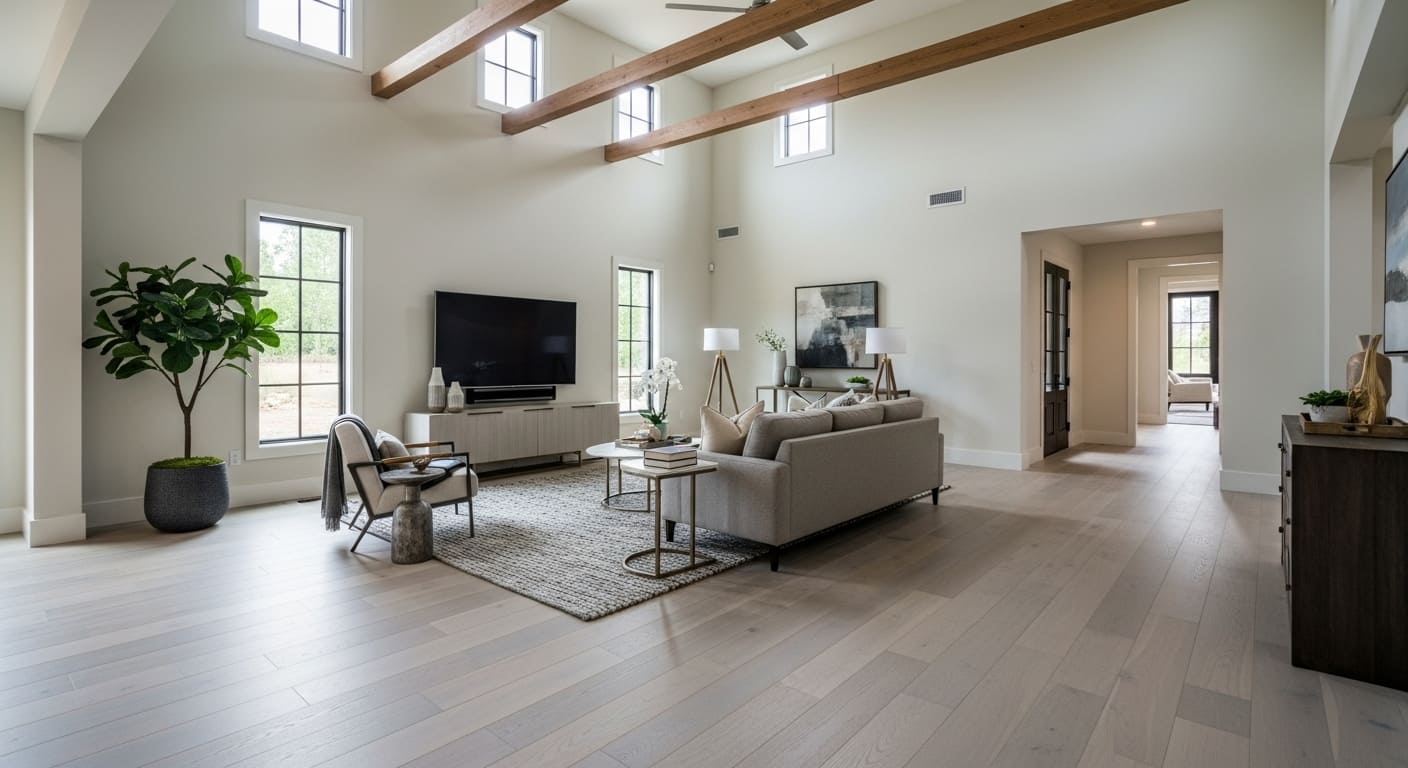
Choosing the right team to install engineered wood floors in Canoga Park can feel like hunting for a perfect match—part craftsmanship, part communication, and part local know-how. Our neighborhood straddles older single-story homes and newer multi-family buildings, each with quirks that only reveal themselves when you start pulling up flooring or inspecting a slab. The company you pick should be comfortable with both the predictable and the unexpected, ready to advise on options, and fully at ease with our Valley climate. If you’re new to this material and want a baseline before interviewing installers, familiarize yourself with the essentials of engineered hardwood so you can ask targeted questions from day one.
What separates an excellent installer from the rest isn’t just how neatly they cut planks; it’s the judgment they bring to substrate preparation, how they sequence the job, and how consistently they communicate. In Canoga Park, where many homes sit on concrete slabs, surface flatness and moisture readings matter. Even small variations in the slab can translate into movement or noise if not addressed. An experienced crew knows how to identify and resolve those issues before the first plank clicks or adheres in place.
Understanding the local landscape
Engineered wood is a smart fit for our climate. Hot summers and occasional winter damp spells moderate humidity swings indoors, and the layered core of engineered planks helps the floor stay flatter than a solid wood alternative might. Companies that work here often recommend acclimating materials in the actual rooms where they’ll be installed, aligning the project with your home’s day-to-day conditions rather than relying on an arbitrary schedule. They’ll also understand that homes near busy thoroughfares like Sherman Way bring more dust and grit into entryways, and they’ll plan for thresholds and mats that protect the new floor from the outset.
Beyond climate, the neighborhood’s architecture matters. In single-family homes, installers often face tiled kitchens that meet the living room carpet with a height step. In multi-unit buildings, sound control requirements can dictate underlayment choices and even influence which installation method is approved. A team familiar with HOA guidelines, elevator reservations, and quiet hours can save you headaches when working in a shared building.
How to evaluate a company’s process
Pay close attention to the way a company assesses your home during the first visit. A careful pro will look past paint swatches and cabinet trends and go straight to the subfloor. They’ll run a straightedge across suspect areas, take moisture readings, and ask how your family uses the space—pets, kids, home offices, and entertaining patterns all inform the best product and layout choices. They’ll also talk openly about baseboards, door casings, and transitions, since those details determine whether the finished result looks “built in” or merely “installed.”
Ask how they handle stairs, which are essentially custom carpentry inside a flooring project. Every tread and riser requires precise templating and fabrication. Matching stair noses and consistent grain direction elevate the staircase from functional to elegant. A company that treats stairs as a small, separate craft within the larger job typically delivers a more coherent final look.
Materials, methods, and skills
Engineered flooring opens up three main installation approaches: floating, glue-down, and nail-down. Many Canoga Park slabs pair well with floating or glue-down methods, depending on the room size, acoustics, and the manufacturer’s guidelines. A skilled installer will explain the trade-offs clearly. Floating can be efficient and offers excellent sound and moisture underlayment options. Glue-down provides a more anchored feel and is often preferred in expansive spaces where hollow echoes would be distracting. Nail-down excels over wood subfloors in raised foundations or second stories, with fasteners tying the floor firmly to the deck.
The installer’s finish carpentry is equally important. Clean undercuts on door jambs, tight-fitting returns at fireplaces or sliders, and tidy terminations at tile improve both appearance and durability. The more complex your layout—angled hallways, kitchen peninsulas, flush transitions—the more you’ll appreciate a crew that balances speed with precision.
Scheduling and logistics in the Valley
Good companies are planners. They’ll coordinate material delivery to allow for acclimation, confirm HOA access rules if you’re in a condo near De Soto or Owensmouth, and build a schedule that respects quiet hours without rushing critical steps. They’ll help you place temporary furniture staging zones and suggest the best sequencing if you’re renovating multiple rooms. On projects with painting or cabinetry, they’ll outline the preferred order of operations so trades don’t trip over each other.
Day-to-day predictability matters in lived-in homes. A disciplined crew will keep dust contained, tools organized, and walkways clear. They’ll end the day with a sweep and protect partially finished areas so you can still pass through safely. In smaller houses, the ability to phase work room by room is invaluable—especially if you’re trying to avoid moving into a hotel for the duration.
Signs you’re working with the right team
Look for a calm, confident approach to the unexpected. When the crew lifts your old flooring and finds a concrete hump or a soft spot in plywood, the right company treats it as routine. They’ll propose a fix, explain the implications, and keep the project on track. They’ll also be transparent about what they’re doing each day—prepping, layout, starting, finishing, and clean-up—so you always know where things stand.
Communication style is a reliable predictor of project satisfaction. If the estimator listens closely to your goals, documents your preferences, and follows up with a clear scope, you’re already halfway to success. If they gloss over baseboards, stairs, and transitions or cannot explain moisture readings and flatness tolerances, press for details until you’re confident they’re giving your home the attention it deserves.
Design help and product guidance
Many installation companies partner with showrooms or maintain their own curated selections. In Canoga Park, the most helpful teams will bring large-format samples to your home so you can see how grain, sheen, and color behave in your light. They’ll encourage you to view boards vertically and horizontally, and to evaluate them in the morning, afternoon, and evening. They’ll also discuss finish performance—matte versus satin, wire-brushed versus smooth—and how each option suits pets, kids, and the Valley’s abundant sun.
If you’re drawn to wider planks or patterns like herringbone, they’ll explain layout implications and the extra care required at edges and thresholds. They’ll also align the product’s specifications—veneer thickness, core build, and installation method—with your long-term goals, whether that’s durability for a busy household or future refinishing potential.
Care after installation
Reliable companies don’t vanish when the last plank is down. They’ll walk you through initial cleaning, recommend protective pads for furniture, and set expectations for maintenance. They’ll show you how to manage sunlight, deal with small surface marks, and which cleaners to keep on hand. If your project included stairs or complex transitions, they’ll double-check everything with you to ensure safety and comfort.
They’ll also remind you of acclimation and environment best practices. Keeping indoor humidity within recommended ranges and avoiding excess water during cleaning supports the longevity of your new floor. If you plan to bring in new area rugs, they’ll point you toward rug pads that don’t leave residue or trap moisture.
Working with your home’s personality
Every home in Canoga Park has its rhythm. Some are bright and open with sliding doors that frame the afternoon glow; others are cozy, with smaller rooms and archways. The right installer honors that personality. They’ll orient planks to enhance sightlines, steer you toward colors that flatter your paint and cabinetry, and propose transitions that feel deliberate rather than improvised. The result is a floor that looks native to the house, not imported.
In homes with multiple flooring types, pros will propose a logical plan to unify or complement surfaces. Maybe the living room and hallway get a continuous engineered surface while bedrooms remain carpeted for softness and sound absorption. Or perhaps the entire main level converts to a single wood tone, with tile reserved for bathrooms. The point is to choose a path that makes daily life simpler and more beautiful.
Questions to bring to your consultation
Ask how the company evaluates slab moisture and flatness. Ask how they protect adjacent finishes and schedule the work to minimize disruption. Ask which installation method they recommend for your home and why. Ask how they treat stairs and how they finish at tile transitions and door thresholds. Ask about underlayment choices for sound or moisture, and how baseboards and casings will be handled. Each answer paints a clearer picture of the team’s competence and care.
Also ask to see photos of jobs similar to your own—open plans, multiple hallways, or staircases—so you can judge attention to detail in spaces that map to your layout. A portfolio tells you as much about a crew’s pride in their work as any sales pitch ever will.
As you compare options, bring your notes back to the fundamentals of engineered hardwood so you can weigh what truly matters: substrate readiness, installation method, finish quality, and the way the team communicates from start to finish.
FAQs for Canoga Park homeowners
1. How long does a typical installation take?
It varies with scope and prep. Open rooms with straightforward layouts move quickly once the substrate checks out. Add stairs, tile flush-outs, or extensive baseboard work, and the schedule stretches. A clear plan and steady communication keep things efficient.
2. Do I need to remove my old floor first?
Often, yes. Solid-bond tile or layered flooring may need removal to achieve flatness and proper height at transitions. In some cases, a floating system can bridge a sound, flat surface. The deciding factors are stability and flatness, confirmed during the assessment.
3. Which installation method feels the most solid?
Glue-down typically delivers the most anchored feel on a slab, while floating systems can feel slightly more flexible depending on the underlayment. Nail-down shines on wood subfloors. Your installer can simulate each method with samples and explain trade-offs in acoustics and maintenance.
4. Can engineered wood go in kitchens?
Yes, with sensible habits. Wipe spills promptly, use mats at sinks, and maintain a stable indoor environment. Many homeowners in Canoga Park enjoy the warmth and continuity of engineered floors through kitchens and living areas without issue.
5. What about sound in upstairs units?
Acoustic underlayments and certain installation methods reduce transfer to the space below. Your HOA may specify minimum ratings. A seasoned installer will propose options that meet requirements without compromising comfort.
6. Will the sun fade my floors?
All wood reacts to light over time. Managing direct afternoon sun with shades or films evens out exposure. Rotating rugs and furniture occasionally helps keep color consistent across the room.
If you’re ready to meet a local team that treats your home with respect and brings calm expertise to every step, let’s set up a walkthrough. We’ll assess your rooms, check the substrate, and craft a plan that suits your schedule and style. For background before we meet, skim the basics of engineered hardwood and gather your favorite photos—we’ll turn them into a solid, buildable plan.
Transform Your Floors with Expert Installation in Canoga Park!
Looking for the best engineered hardwood floor installation company in Canoga Park? IDN Flooring delivers precision craftsmanship, premium materials, and exceptional service from start to finish. Contact us today for a free consultation and discover how our experts can elevate your home with timeless, durable flooring.
Read more:
Engineered Hardwood Floor Issues In Canoga Park, CA, What To Expect
Waterproof Engineered Hardwood Floor Options In Canoga Park CA