
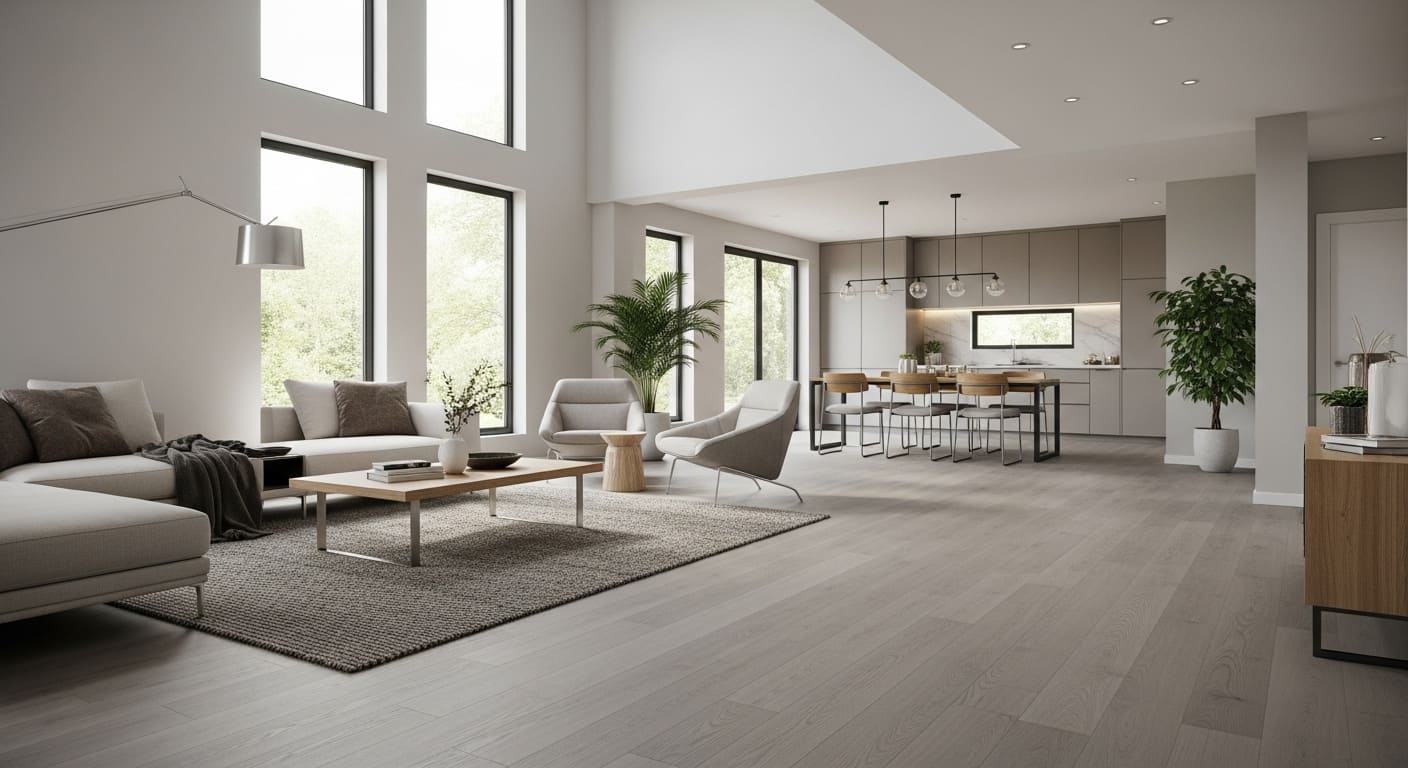
Engineered wood floors are a natural choice for Canoga Park homes because they bring warmth and stability to our sunlit spaces. Still, like any building material, they can present quirks you’ll want to understand before, during, and after installation. Knowing what’s normal, what’s preventable, and what deserves attention turns surprises into simple maintenance rather than headaches. This guide focuses on the issues homeowners here most often encounter and how to address them with calm, practical steps. If you’re new to the material, take a moment to get acquainted with the fundamentals of engineered hardwood so the rest of this read makes immediate sense.
Our Valley climate is generally kind to engineered wood, but it isn’t neutral. Hot, dry summers and bright afternoon sun challenge finishes and encourage minor seasonal movement. Occasional winter damp nudges humidity back up. Well-chosen products and thoughtful installation keep these swings within predictable bounds, but understanding them helps you set realistic expectations and adopt simple habits that keep floors looking composed year-round.
Seasonal movement: gaps, edge lift, and what’s normal
All wood responds to changes in humidity, even when stabilized by a layered core. As indoor air dries in summer, you might notice hairline gaps between planks, particularly in long runs down hallways or great rooms. When humidity rises again, those gaps tend to close. This seasonal breathing is expected. Proper acclimation before installation and adequate expansion space at the perimeter help ensure movement happens invisibly along walls rather than at the center of a room.
Edge lift or “cupping” can occur when one side of a plank encounters more moisture than the other—say, a damp rug pad near a patio door or a persistent spill left under a chair mat. The key is prompt attention. Remove the source of moisture, allow airflow, and the floor often settles back. If cupping is widespread, a professional should assess moisture levels beneath and above the floor to find the root cause.
Noise: clicks, creaks, and hollow spots
Small sounds can emerge as the floor settles. Floating systems may sound slightly different over various underlayments, especially where slabs have minor undulation. A glue-down installation typically feels and sounds more anchored. If you notice a sudden change in sound, it might indicate a spot where the subfloor wasn’t perfectly flat or where an adhesive bond loosened after a spill. Many noises are harmless, but persistent or expanding sounds deserve a quick professional look to rule out substrate issues.
Upstairs, sound transmission to rooms below can highlight footsteps more than you expect. Specifying an appropriate acoustic underlayment and, in some cases, opting for a glue-assist technique reduces noise and creates a calmer experience throughout the home.
Finish wear: scratches, dents, and sheen changes
Daily life leaves marks. Engineered floors with matte, textured finishes tend to disguise micro-scratches better than glossy surfaces. Grit tracked from the outdoors acts like sandpaper, so entry mats and routine dusting are your best allies. Small dents from dropped utensils or a falling toy are normal and often blend into the grain over time. When a mark bothers you, a manufacturer-approved cleaner and careful buffing can help; oiled finishes may accept a local repair that blends beautifully when done correctly.
Sheen can shift in high-traffic lanes—think the path from the hallway to the couch or the run around a kitchen island. This is natural wear. Routine care, thoughtful use of runners, and periodic professional maintenance extend the floor’s calm look. If sheen differences become pronounced, a professional refresh can even things out without starting from scratch.
Moisture incidents: what to do and what to avoid
Spills happen. The rule is simple: wipe, dry, and ventilate. Most engineered floors built for modern homes resist everyday spills long enough for this routine. Problems arise when water lingers under rugs, planters, or appliances. In Canoga Park, sliding doors invite occasional wind-driven rain; ensure thresholds are tight and that you catch tracked-in moisture before it seeps into edges. Under refrigerators and dishwashers, periodic checks catch slow leaks before they turn into stains or swelling.
If a dishwasher line bursts or a washing machine overflows, prioritize mitigation: stop the source, remove standing water, and call for help. Some floors can be salvaged after careful drying; others may require selective plank replacement. Save spare planks from your original lot so any needed repair blends seamlessly.
Substrate challenges: slabs and wood subfloors
Concrete slabs in older homes sometimes present high and low spots. If prep work misses a hump or dip, you might later feel a slight bounce or hear a change in sound as you step across it. Over wood subfloors, loose fasteners can cause squeaks that reveal themselves only once the house returns to its everyday soundtrack. These are fixable issues. A professional can evaluate and propose discreet remedies, ranging from injecting adhesive in isolated voids to re-fastening subfloor panels from below when accessible.
Moisture readings taken before installation are your early warning system. Skipping them invites trouble. A balanced, stable substrate is the foundation for a quiet, long-lived floor.
Edges, transitions, and stairs
Details around the edges influence both appearance and performance. Transitions that sit proud can create trip points and collect dirt; those cut too tight can bind during seasonal expansion. Well-executed transitions feel natural underfoot and respect the floor’s need to move. At staircases, nosing profiles must be precise and secure—these pieces experience concentrated force and deserve regular checks for tightness.
Door casings should be undercut so planks slip beneath. If this step is skipped, small gaps or awkward caulking lines can distract from an otherwise beautiful installation. These details are worth attention because they are where craftsmanship shows.
Discoloration and light
Sunlight is generous in the Valley. Over time, it will mellow some species and deepen others. This is part of wood’s natural evolution. Manage exposure with sheers or shades in areas that receive intense afternoon light. Rotate rugs and shift furniture occasionally to maintain even coloration. If you ever decide to move a large rug, do it gradually so any light differential blends more naturally over a few weeks.
Adhesive residue and cleaning pitfalls
On glue-down projects, a small amount of adhesive can sometimes squeeze up in seams during installation. If not removed correctly, it may cure and collect dust, looking like a dark line. This is preventable with careful cleanup during the job. If you find residue later, consult your installer for the right remover; the wrong solvent can smear or dull the finish.
Avoid waxes and all-purpose polishes that promise quick shine but leave a film. These attract dust and can make the floor feel tacky. Stick to the cleaner compatible with your finish and a microfiber mop. If buildup occurs, a professional maintenance clean can reset the surface.
Manufacturing tolerances and variation
Engineered products are made to tight standards, yet slight color and grain variation is inherent to real wood. That’s part of the charm. A good installer shuffles boards from multiple boxes to distribute tones evenly and avoid clusters of identical grain. If you saved extra planks for future repairs, store them flat and climate-controlled so they remain ready for a perfect match if needed.
When to call a professional
Most concerns are simple and solvable with a few habits. But if you notice widespread cupping, soft spots underfoot, persistent musty smells, or joints opening beyond hairlines, it’s time for a professional assessment. Early evaluation prevents small issues from growing and protects the integrity of the surrounding floor.
Living confidently with engineered wood
The point of understanding potential issues is not to worry; it’s to live confidently. Engineered wood is tough, comfortable, and forgiving when cared for thoughtfully. The better you anticipate where challenges might arise—entries, kitchens, stair noses—the easier it is to put small safeguards in place. The payoff is a floor that feels calm and looks composed through years of real life.
Questions homeowners in Canoga Park ask
1. Why do I see small gaps at the end of summer?
That’s seasonal movement responding to lower indoor humidity. As the air dries, boards contract slightly; when humidity rises again, they return. Proper acclimation and expansion spaces at walls keep this normal behavior from becoming a problem.
2. My floor makes a click in one spot—should I worry?
Usually not. It may be a tiny variation in the substrate or underlayment. If the sound expands or the area feels soft, have a professional take a look. Many times, a small, targeted fix quiets the spot.
3. Is it okay to use rugs on engineered wood?
Yes, with breathable pads that don’t trap moisture or leach color. Rugs are great for entries and high-traffic lanes. Lift them periodically to clean underneath and check for trapped grit.
4. What if water gets under the floor?
Address the source immediately, then ventilate and dry. The next step is an assessment. Some situations allow careful drying in place; others are best served by selective plank replacement. Having spare planks from your original lot helps preserve a seamless look.
5. Can I refinish engineered wood if it gets scratched?
Many products allow some form of renewal, from light abrasion and recoat to more extensive refinishing depending on veneer thickness. Document your product details so a finisher can recommend the correct approach when the time comes.
6. How do I prevent dents around barstools and desks?
Use soft wheels or protective mats and ensure felt pads are fresh. Distribute weight with small rugs where motion is constant. These simple measures limit concentrated pressure that can compress the wood fibers.
If you want a knowledgeable eye on your floors—whether you’re planning an installation or troubleshooting a quirk—I’m here to help. We’ll walk through your home, take readings, and make a practical plan so you can enjoy your spaces with confidence. For a refresher on materials and construction as you consider next steps, revisit the essentials of engineered hardwood, then reach out to schedule a convenient visit in Canoga Park.
Protect Your Floors with Expert Guidance from IDN Flooring
Noticing cracks, warping, or gaps in your engineered hardwood floors? IDN Flooring in Canoga Park offers expert inspections, repairs, and maintenance solutions to keep your floors looking perfect. Don’t wait for minor issues to turn major—contact our specialists today and restore your floor’s beauty and strength.
Read more:
Long Lasting Engineered Hardwood Floor Maintenance In Canoga Park CA
Engineered Hardwood Floor Installation Companies In Canoga Park CA