As a flooring professional serving Canoga Park, I often remind homeowners that a successful project begins long before the first plank is fastened. Proper Hardwood Floor Installation inspections are the foundation of a durable, beautiful floor. In this article I’ll walk you through what I look for during pre-installation and post-installation inspections, explain common issues we catch early, and share practical advice so your investment performs well for years.
Hardwood Floor Installation inspections: what inspectors look for
Inspections are not about fault-finding; they’re about risk management and quality assurance. First, I assess the subfloor for level, stability, and dryness. Even minor unevenness can translate to visible gaps, squeaks, or premature wear. Moisture is another critical factor in Canoga Park’s climate. I measure relative humidity and subfloor moisture content, comparing those numbers to the hardwood manufacturer’s tolerance. If the substrate fails to meet those standards, we address it before laying boards, because prevention is cheaper and less disruptive than repair.
Next I evaluate acclimation and storage. Hardwood is a natural product that expands and contracts with humidity, so giving planks time to adjust to indoor conditions can dramatically reduce cupping and gapping. I also review jobsite conditions: are heating and cooling systems running consistently? Is the space ventilated? Are there lingering construction materials that could add moisture? Thorough documentation during this phase helps avoid surprises and supports any warranty claims.
Preparing for installation and inspecting installation techniques
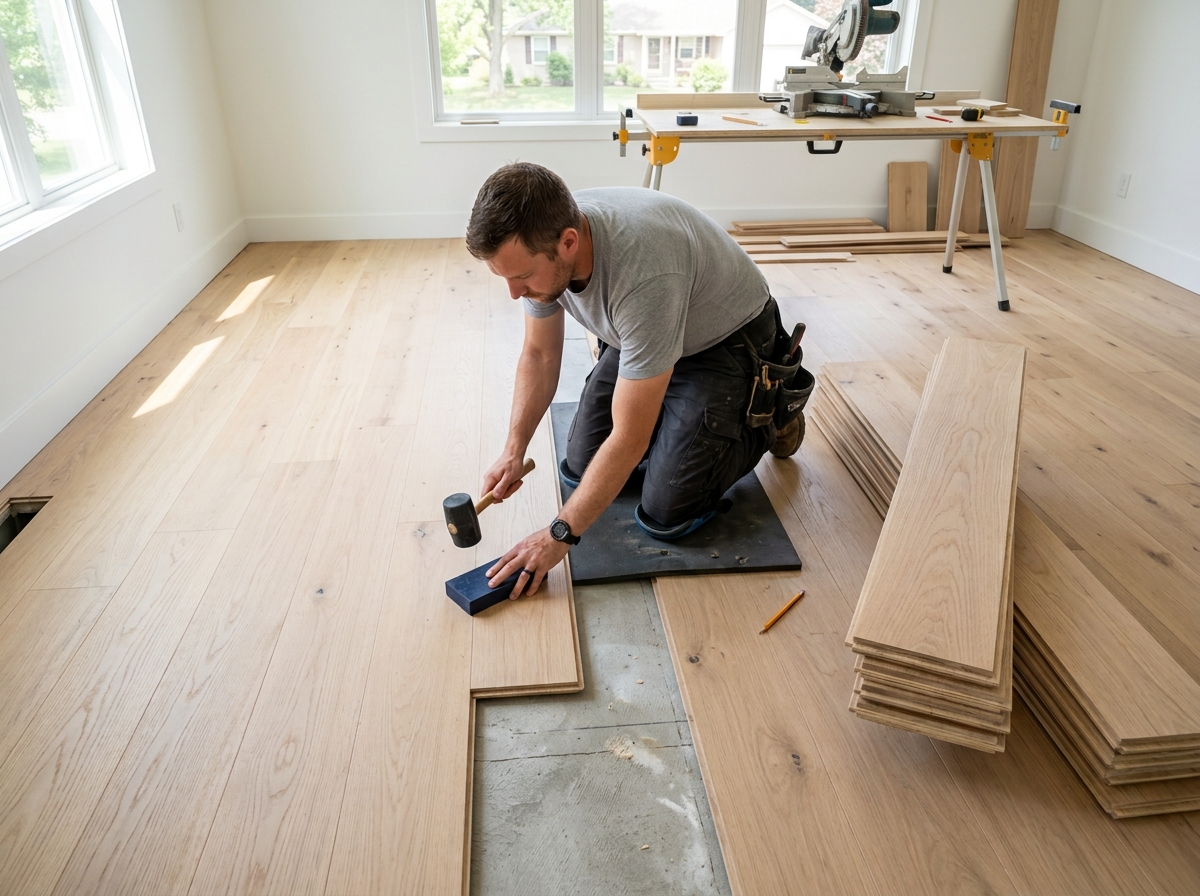
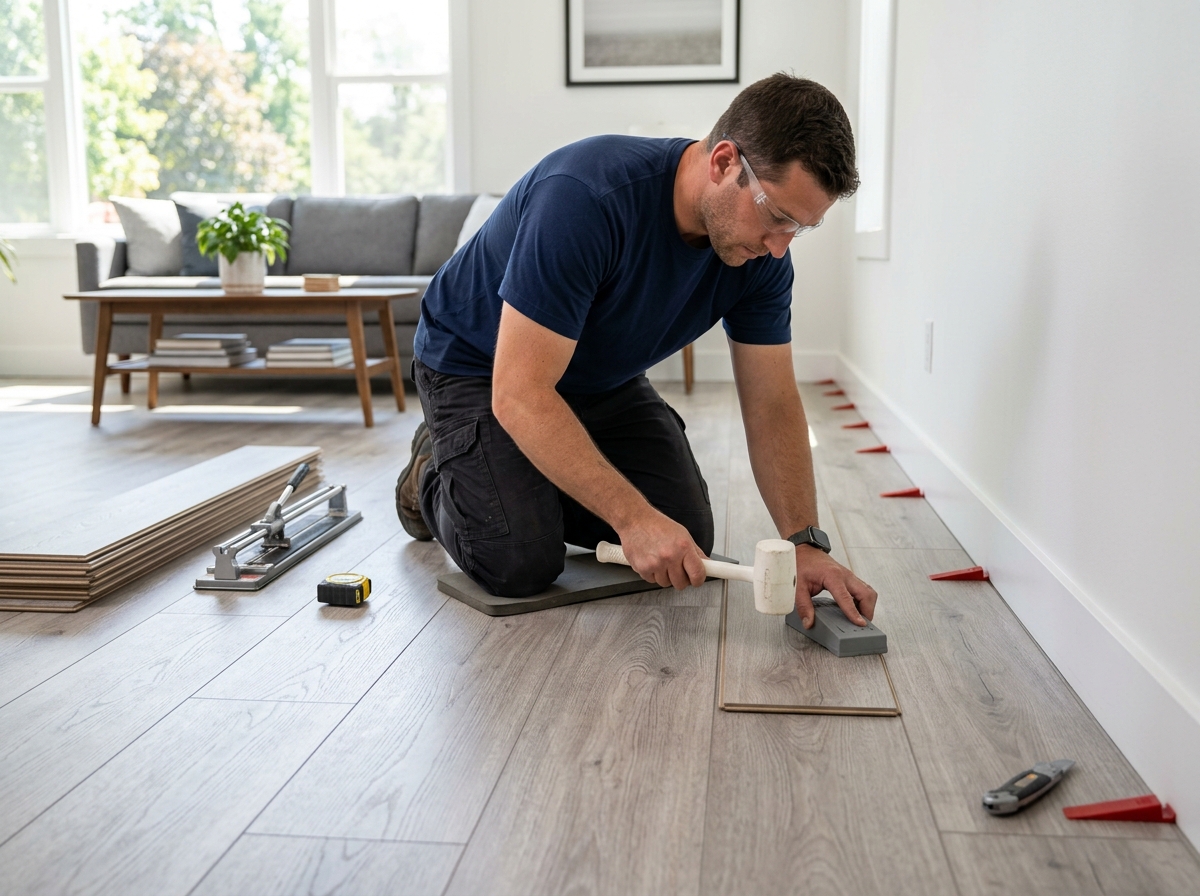
Proper preparation extends beyond measurements. I inspect fastening patterns, adhesive coverage when applicable, and transitions to other flooring types. For floated floors, I check underlayment and edge clearance; for nail-down installations, I verify nail spacing and nail depth. During installation, I watch for consistent board alignment and staggering, making sure end joints are offset appropriately to maintain structural integrity. When necessary, I correct techniques on the spot to prevent long-term issues.
Midway through projects I often perform a follow-up inspection to confirm that environmental conditions remain within acceptable ranges and that installers are following the specified method. At this point I will sometimes recommend topical finishes or special sealants to combat localized humidity concerns. If you’re searching for trusted professionals to perform these checks, consider connecting with local experts who prioritize inspection-driven quality like Hardwood Floor Installation.
Common defects and how inspections catch them early
Some problems are subtle at first. Slight cupping, hairline gaps, minor squeaks, or uneven sheen can all be early indicators of larger issues. Inspections help trace those symptoms to their causes—whether poor acclimation practices, improper adhesive application, or a moist subfloor. Catching these issues during or immediately after installation lets us make corrections while materials are still under warranty or before the floor settles into a problematic condition. Documentation from inspections also protects homeowners if manufacturer or installer warranties are invoked.
Beyond immediate defects, inspections also evaluate longevity considerations: traffic patterns, placement of rugs and furniture, and humidity control strategies. I advise clients on maintenance routines tailored to their lifestyle and the species of wood chosen. Simple ongoing practices—such as maintaining indoor humidity between recommended ranges—can minimize expansion and contraction cycles and preserve the finish.
Post-installation inspection and final sign-off
Once installation is complete, a final inspection ensures that the finished floor meets expected standards. I examine overall aesthetics, measure plank flatness, test for squeaks, and confirm that transitions and trims are secure and attractive. Any punch-list items are documented and scheduled for correction. This final inspection is also an opportunity to educate the homeowner on care and what signs to watch for that might indicate changing conditions.
Frequently Asked Questions
Q: When should I schedule an inspection?
A: Schedule a pre-installation inspection as early as possible, ideally during the planning phase, and another during installation. A post-installation walkthrough rounds out the process to confirm satisfaction and address any minor touch-ups.
Q: How long does an inspection take?
A: Most inspections take between 30 minutes and two hours depending on the scope—whether it’s a single room or a whole-house assessment. Complex subfloor issues or moisture testing can require additional time.
Q: Can inspections prevent warranty disputes?
A: Yes. Proper documentation of pre-existing conditions, environmental readings, and installation methods strengthens warranty claims and clarifies accountability. Inspectors act as impartial witnesses to how the project was executed.
Q: What should I ask my installer about after an inspection?
A: Ask for a written summary of findings, corrective actions planned, and any environmental controls recommended. Confirm who is responsible for follow-up work and how long it will take to resolve outstanding issues.
If you want a confident finish and long-lasting performance, don’t skip the inspection steps that seasoned professionals rely on. Reach out today to schedule a comprehensive review and ensure your investment is protected by experienced local oversight. For trusted local expertise in finishing and inspection, contact our team for reliable Hardwood Floor Installation services and guidance tailored to Canoga Park homes.
IDN Hardwood and Carpet Superstore
7947 Canoga Ave, Canoga Park, CA 91304, United States
Phone: +1 (818) 888-8051