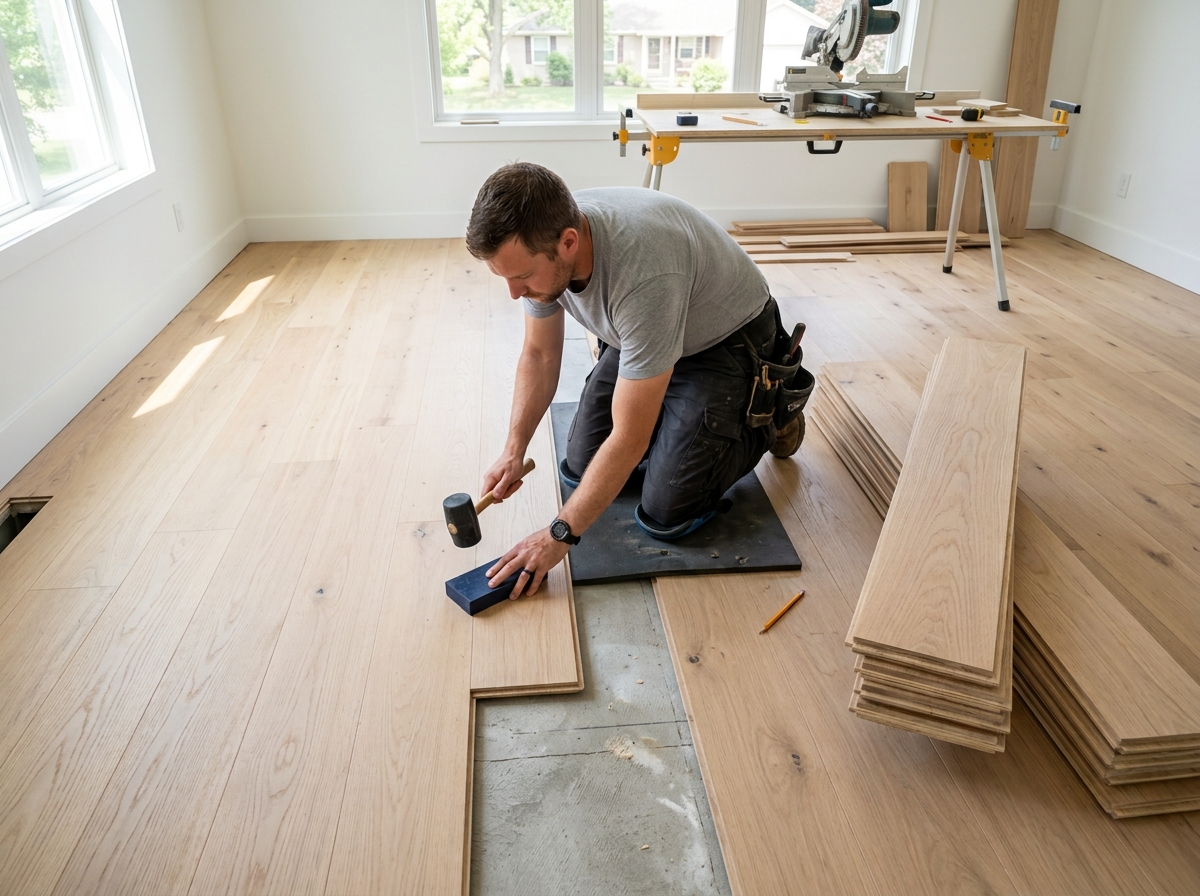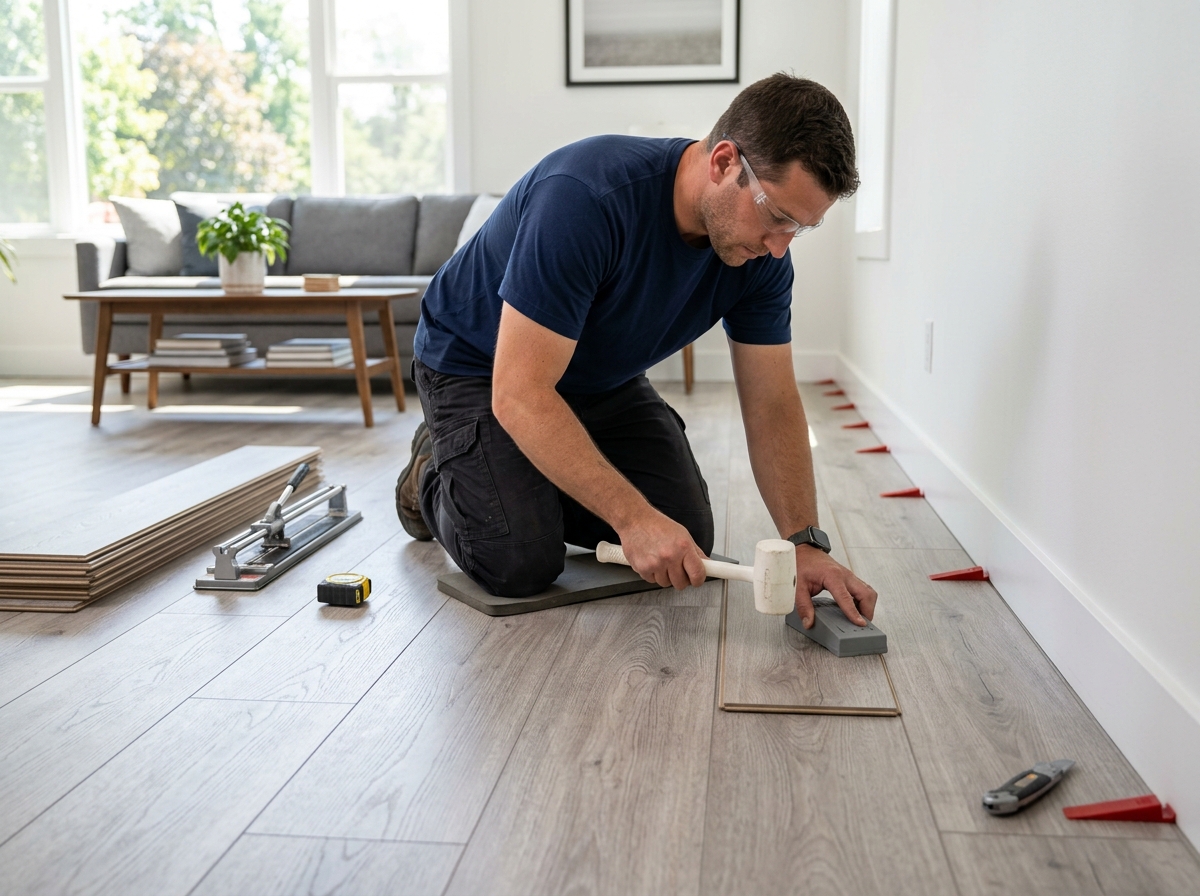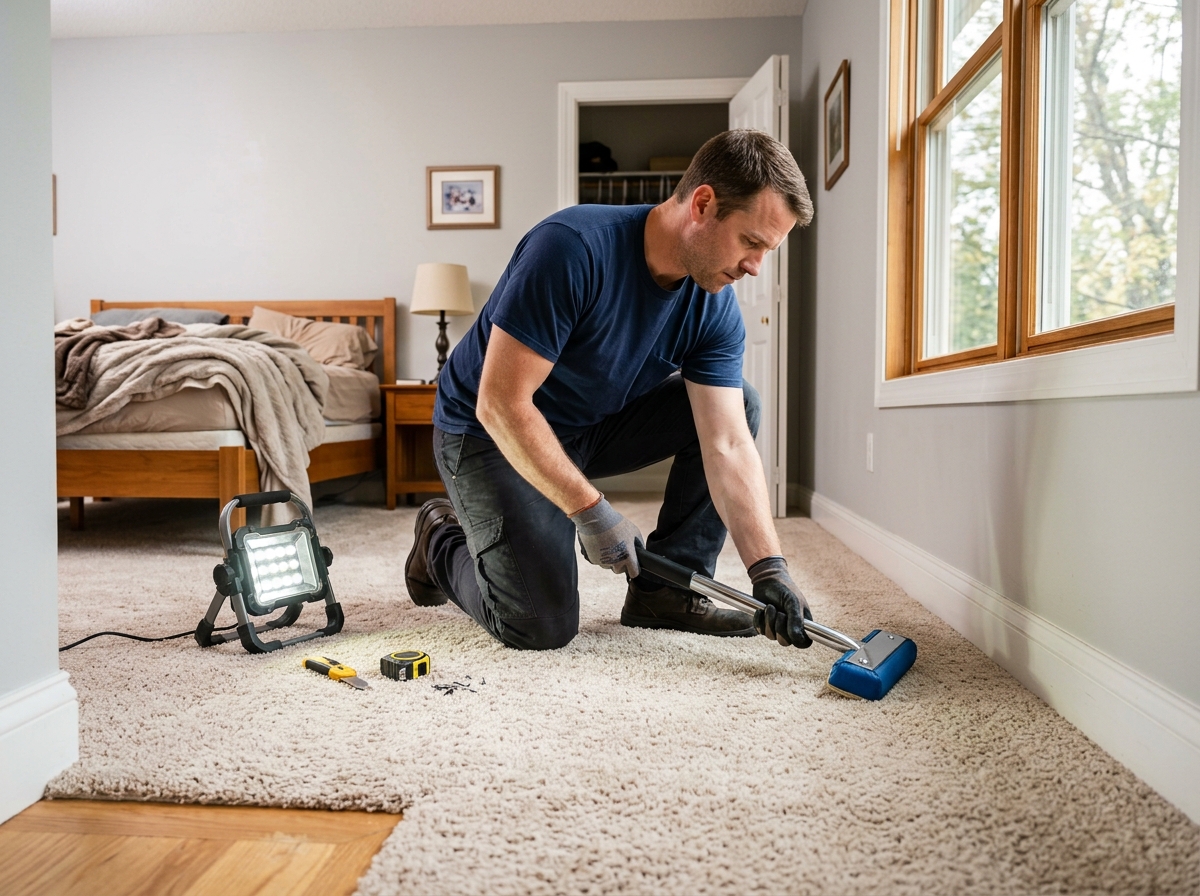
Living and working in Canoga Park means enjoying bright, sunlit rooms, occasional coastal breezes, and the seasonal shifts that affect our homes. As someone who has spent decades installing and maintaining wood surfaces in this community, I’ve learned how local weather and lifestyle shape the best routine for a Hardwood Floor. In this piece I’ll walk you through seasonal concerns, gentle maintenance methods, and when to call in a pro — all tailored to our neighborhoods here in Los Angeles’ western San Fernando Valley.
Hardwood Floor Seasonal Challenges in Canoga Park
Canoga Park sits in a Mediterranean climate with hot, dry summers and cooler, wetter winters. That swing in temperature and humidity can cause wood to expand and contract, leading to gaps, cupping, or surface checking if floors are not cared for. Sunlight through west-facing windows can fade finishes and dry out wood fibers over time, while rainy windows of the year introduce elevated humidity that may cause boards to swell. Understanding these local patterns is the foundation of good seasonal care.
Preparing Your Floors for Summer
As the days warm, the priority is preventing excessive drying and UV damage. Keep interior humidity stable with a whole-house or portable humidifier when indoor air becomes too dry, and use drapes or UV-filtering window film on the sunniest exposures. Regular, gentle cleaning is important: choose a pH-balanced cleaner designed for wood and avoid wet-mopping. Protect high-traffic corridors with breathable area rugs and felt pads under furniture to reduce wear. These small steps preserve finish and minimize the need for corrective refinishing later in the year.
Midyear Maintenance: What to Inspect and When
Mid-season inspections are economical and often prevent larger work. Check for loose boards, small gaps, or finish wear near doorways and under furniture. If you notice surface scratches or dull patches, a professional screen-and-recoat can refresh the look without a full sand. For homeowners curious about materials or repair options, a site visit helps determine whether a simple refinishing or a more involved restoration is appropriate. In many cases the right approach is simple maintenance rather than replacement, and a careful assessment will protect your home’s character while extending the life of your floors.
Winter and Rainy Season Care
When the rainy season arrives, controlling moisture is the key concern. Use entryway mats to reduce tracked-in grit and moisture, and consider a dehumidifier in areas prone to elevated dampness. Keep an eye on exterior drainage and door thresholds to prevent water intrusion that can damage subfloors and boards. If you notice cupping or persistent swelling after storms, it’s important to address the source of moisture promptly. Often these problems are resolved by drying and stabilizing the environment before any sanding or refinishing takes place.
Maintenance, Repair, and Refinishing Options
Regular maintenance extends hardwood life more effectively than cyclical full replacements. Address scratches with targeted spot repairs and renew finishes by recoating when the protective layer becomes thin. For more severe wear or dimensional changes, selective board replacement or a professional sand-and-refinish may be necessary. Choosing the right finish — oil-based, water-based, or penetrating oils — depends on traffic, desired sheen, and how often you’re prepared to maintain the surface. When deciding, consider reaching out for an in-person evaluation so a qualified installer can recommend the best path for your subfloor and wood species. If you want to explore trusted resources and product lines that I often recommend for local homes, start by reviewing options available for Hardwood Floor installations and finishes.
Daily Habits That Protect Floors Year-Round
Small daily habits add up. Never drag heavy furniture across boards, trim pet nails regularly, and address spills promptly with a soft, slightly damp cloth. Maintain consistent indoor temperatures and humidity where possible, and sweep or dry-mop frequently to remove dirt that grinds away finish. These practices reduce stress on the wood and lower the frequency of major interventions, keeping your floors looking their best season after season.
Frequently Asked Questions
Q: How often should I refinish my hardwood floors?
A: Refinishing frequency depends on traffic and finish type. Lightly used floors with durable finishes may go a decade or more between full sandings, while high-traffic areas often benefit from recoats every few years. Regular spot repairs and screenings can extend the time between full refinishes.
Q: Can humidity control really prevent gaps and cupping?
A: Yes. Stable indoor humidity is one of the most effective ways to prevent seasonal movement. Aim for relative humidity in the home between about 35–55 percent, adjusting with humidifiers or dehumidifiers as the seasons change.
Q: Are there cleaners I should avoid?
A: Avoid ammonia-based, waxy, or overly damp cleaning methods. Use a manufacturer-recommended wood floor cleaner and a damp (not wet) mop. Excess water and harsh chemicals strip finishes and can harm the wood.
Q: When should I call a professional?
A: Call a professional when you notice persistent moisture issues, structural movement, deep gouges, or if you’re uncertain about the right finish for your home. A skilled installer can diagnose problems quickly and recommend targeted solutions that protect your investment.
Seasonal care tailored to our Canoga Park climate makes all the difference. If you’re ready to evaluate your floors, learn more about refinishing, or explore durable species and finishes, get started with a local expert who understands neighborhood conditions and long-term performance. Reach out to discuss your project and schedule an on-site consultation for your Hardwood Floor — I’m here to help you preserve and enhance the natural beauty of your home.
IDN Hardwood and Carpet Superstore
7947 Canoga Ave, Canoga Park, CA 91304, United States
Phone: +1 (818) 888-8051