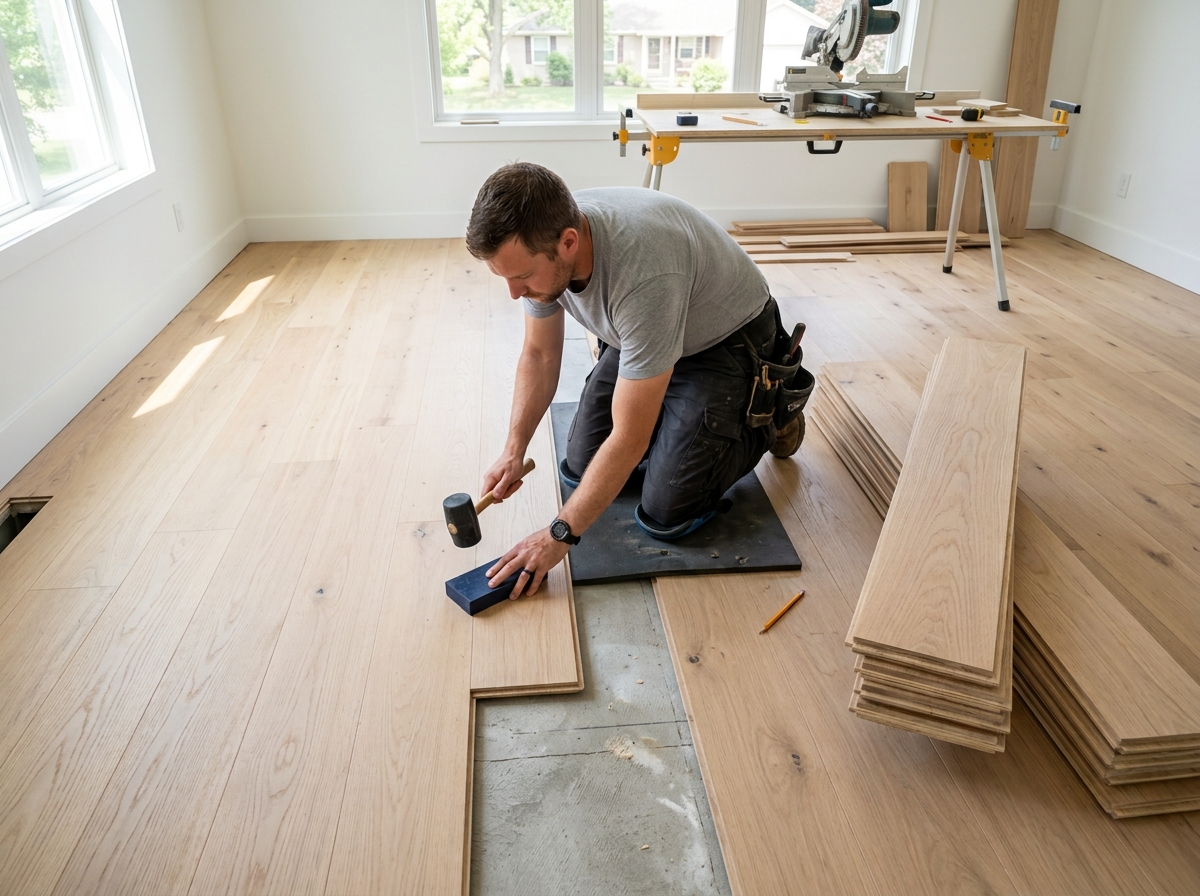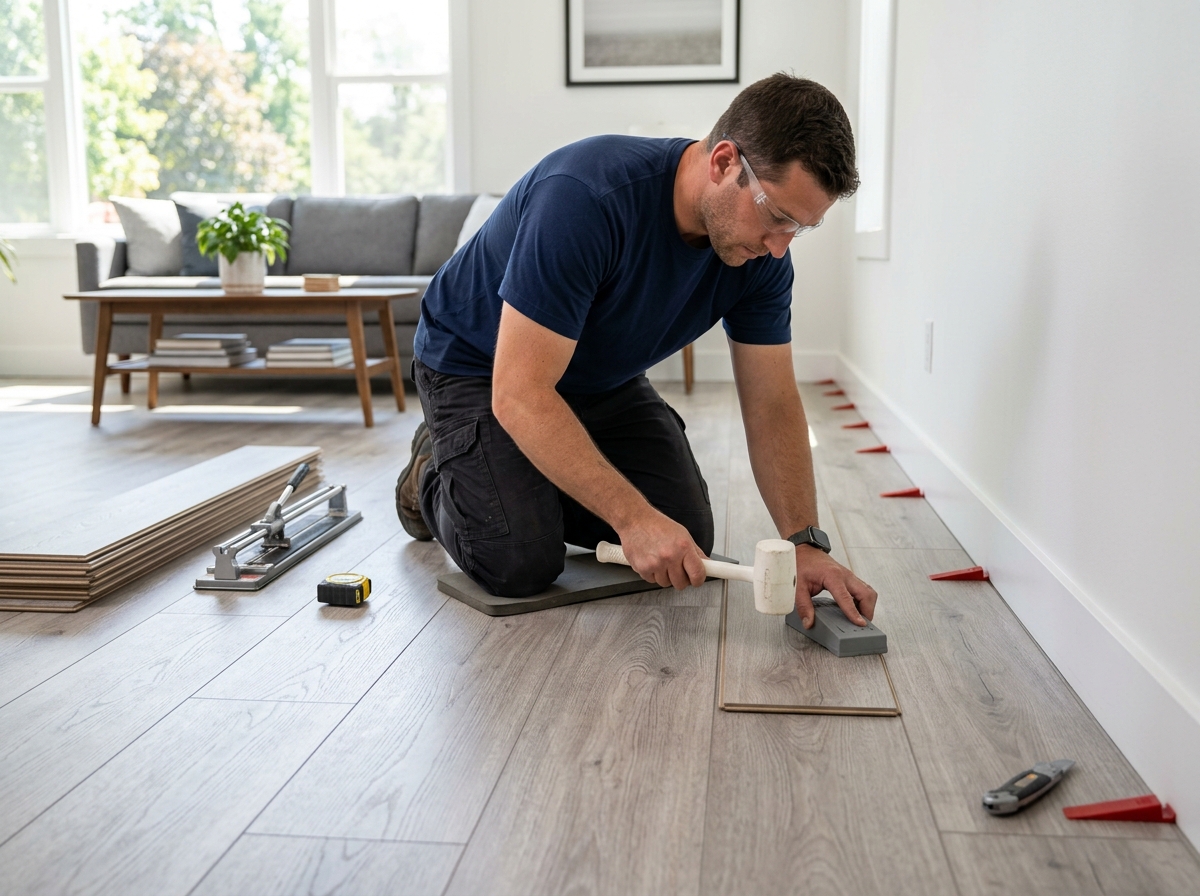
As someone who has installed and maintained floors across the San Fernando Valley for years, I know that a smart approach to Hardwood Floor Installation in Canoga Park starts with understanding local climate, material choices, and routine care. Whether you have newly finished oak planks or a vintage maple surface, the right habits will keep your floors beautiful and structurally sound. In this article I’ll walk you through practical maintenance steps, explain common issues we see in homes here, and offer professional tips that make long-term ownership far easier.
Hardwood Floor Installation: Climate, Moisture, and Local Considerations
Canoga Park experiences warm, dry summers and mild winters, but indoor humidity can still fluctuate based on HVAC use and seasonal changes. After a proper Hardwood Floor Installation, controlling moisture is your most effective long-term strategy. I always recommend acclimating wood for several days before installation and maintaining a consistent indoor relative humidity between 35% and 55%. Use a reliable hygrometer to monitor conditions, and be mindful of direct sunlight on south-facing rooms, which can cause differential fading and dry shrinkage. When I evaluate a job, I look for transitional areas like doorways and kitchens where moisture and traffic combine to create early wear, and I plan preventive measures accordingly.
Daily, Weekly, and Seasonal Maintenance Routines
Daily care is straightforward: keep grit and dirt off the floor by placing mats at entrances and wiping spills immediately. Weekly attention should include dry dust mopping or using a vacuum with a soft-floor setting to remove abrasive particles that dull the finish. Avoid steam mops and harsh chemical cleaners; instead, use pH-balanced solutions made for hardwood floors when a deeper clean is needed. Seasonally, inspect the floor for gaps, cupping, or loose boards—signs that relative humidity has shifted. Small gaps that appear in dry months often close in the wet season, but persistent separation may require professional attention. I encourage homeowners to keep a simple log of maintenance tasks so problems are spotted early and corrected before they escalate.
Protective Measures and Everyday Habits
Furniture pads under chair and table legs reduce point loads that can dent softer species. Use rugs in high-traffic areas, but avoid rubber-backed mats which can trap moisture and discolor finishes. Trim pet nails regularly and choose footwear policies that limit high heels and cleats inside the home. If you’re remodeling or moving furniture, lift rather than drag heavy items. For kitchens, clean up water from sinks and appliances immediately, and check seals around dishwashers and refrigerators periodically. These habits take little time but prevent many of the most common causes of premature wear.
Refinishing, Spot Repairs, and When to Call a Pro
Depending on traffic and finish type, hardwood floors may need refinishing every 7–15 years. Lighter scratches and scuffs can often be buffed and recoated without sanding to raw wood, which saves time and maintains the original profile. Deep gouges or boards with structural issues should be replaced by a professional to ensure proper match in grain, stain, and board milling. When selecting finishes, consider water-based polyurethane for faster curing and lower odor, or oil-modified products for deeper color and slightly different maintenance needs. For most homeowners in Canoga Park, a consultation with an experienced installer can clarify the best approach—especially when moisture, pets, or heavy furniture are factors.
Midway through a project or when planning an upgrade, it’s useful to revisit installation best practices. If you’re considering a replacement or expansion of existing flooring, ask about engineering options and underlayment choices that improve stability on raised foundations or over concrete slabs. Trade contractors and installers here often recommend site-specific solutions that account for local microclimates and common household uses. If you want a reliable reference for installation methods, I point many clients to resources from trusted local providers, including Hardwood Floor Installation, for clear guidelines on acclimation and substrate preparation.
FAQ
How often should I clean my hardwood floors?
Light daily care with a dry dust mop and weekly vacuuming is ideal. Use a manufacturer-approved cleaner monthly or as needed for spills and spots. Avoid excess water and steam cleaners to protect the finish and the wood beneath.
What causes gaps between boards, and are they permanent?
Gaps are usually caused by seasonal humidity swings; wood shrinks in dry months and expands when it’s humid. Small gaps often close in wetter conditions. Persistent, wide gaps may indicate prolonged low humidity or installation issues and should be evaluated by a professional.
Can I refinish my hardwood floors myself?
Minor surface touch-ups and maintenance coats can be DIY-friendly, but full sanding and refinishing require skill and the right equipment to avoid uneven surfaces, noticeable transitions, or damage to neighboring rooms. Hiring an experienced contractor ensures proper dust control and a uniform finish.
Are engineered floors better for my home than solid hardwood?
Engineered flooring offers greater dimensional stability over concrete and in areas with fluctuating humidity, while solid hardwood is often preferred for its longevity and ability to be sanded multiple times. The best choice depends on your subfloor, room conditions, and long-term plans.
If you’re ready to protect and enjoy your investment, a little planning goes a long way. For local advice and reliable workmanship, explore professional options for Hardwood Floor Installation and tailored maintenance plans. Our team can assess your floors, recommend appropriate care, and schedule service at your convenience.
IDN Hardwood and Carpet Superstore
7947 Canoga Ave, Canoga Park, CA 91304, United States
Phone: +1 (818) 888-8051