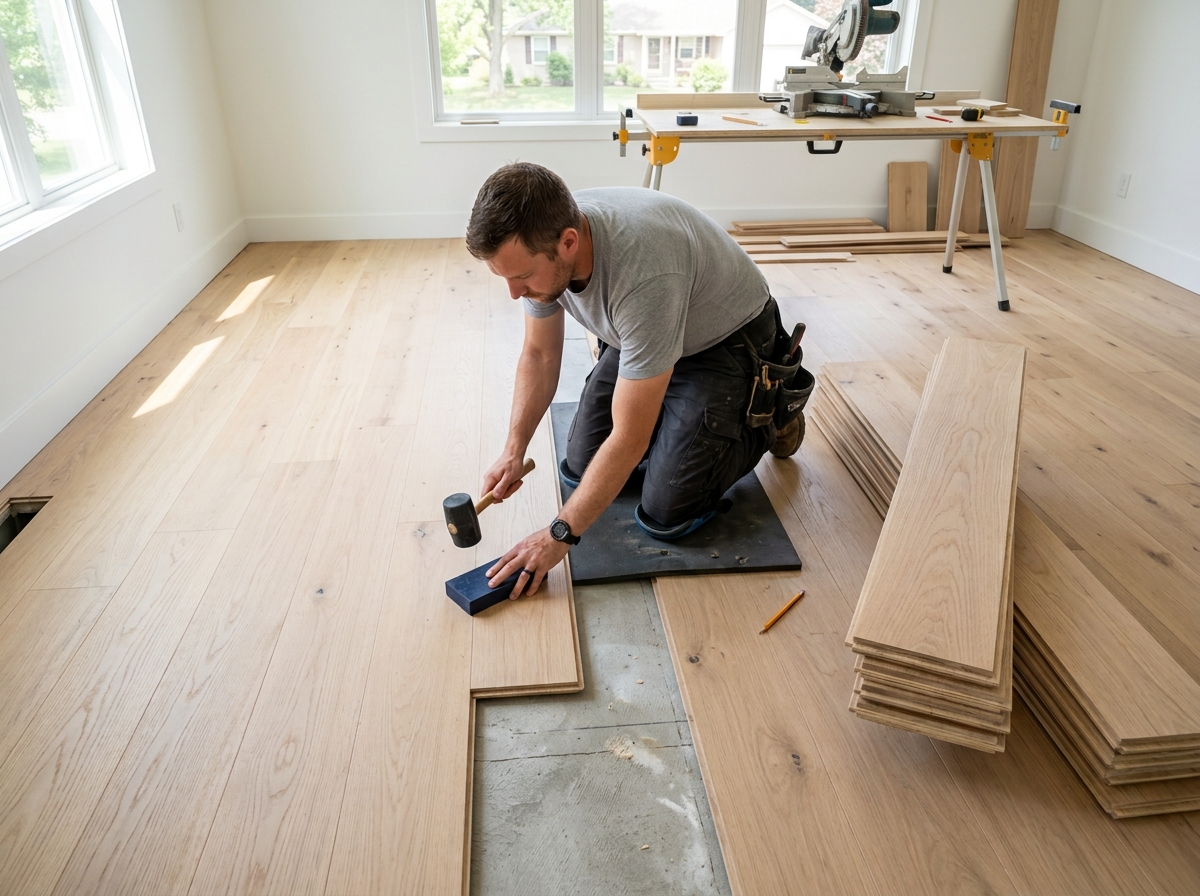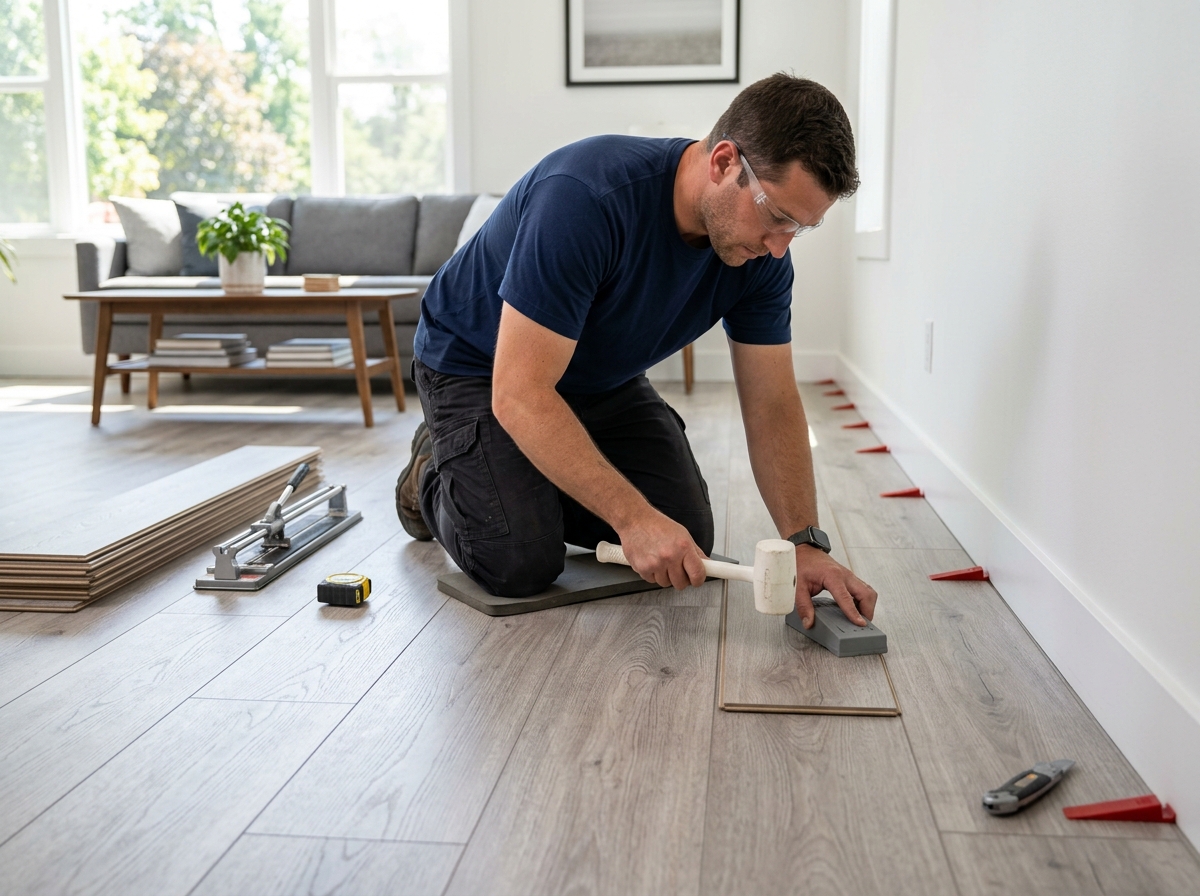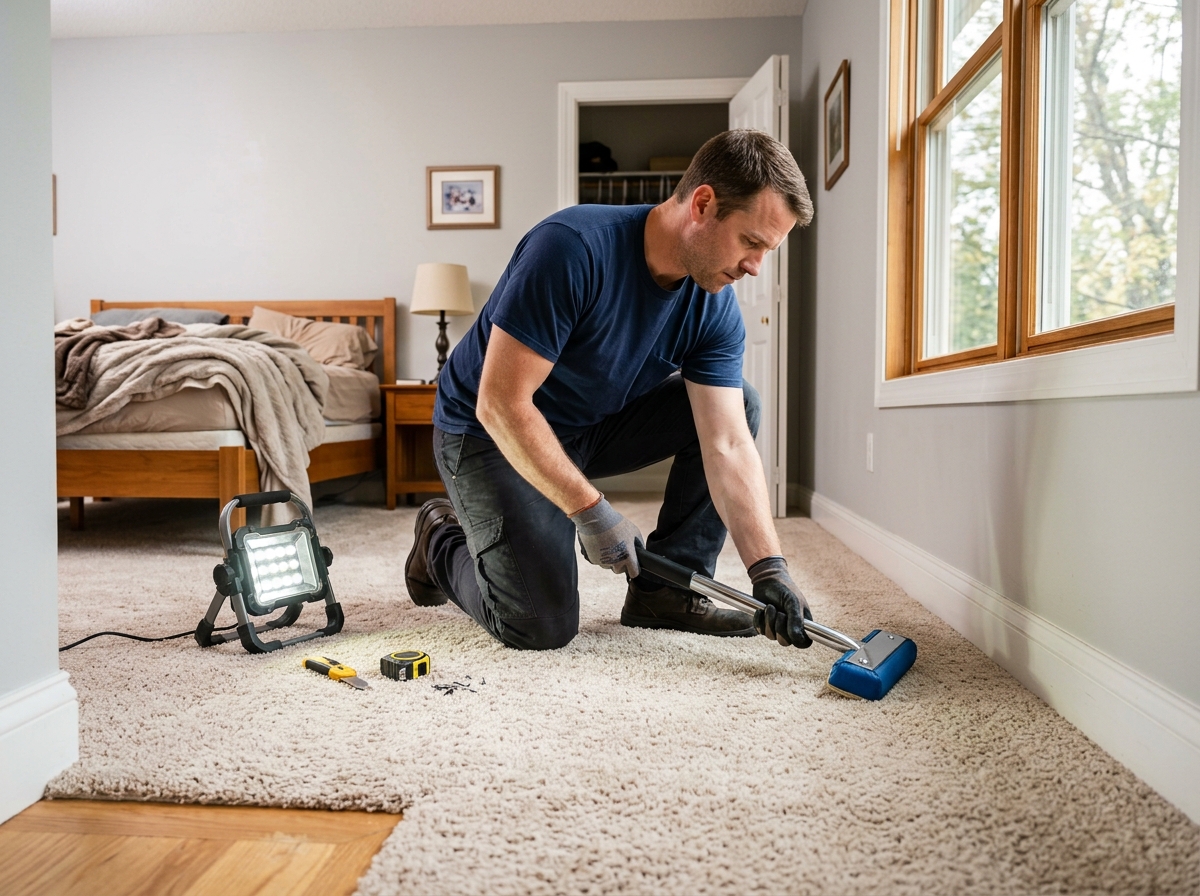
Wood Floor Installation is a craft I’ve practiced across Canoga Park for years, and I’ve seen the same challenges crop up time and again. Whether you’re restoring a vintage bungalow near Sherman Way or installing new planks in a modern condo, understanding the common issues before they start makes all the difference. In this article I’ll walk you through the pitfalls I encounter most often, explain why they happen in our Southern California climate, and share practical steps to prevent them so your floors look and perform their best.
Wood Floor Installation: Common Challenges in Canoga Park
The first major problem is moisture and acclimation. Wood is a living material that reacts to humidity and temperature, and Canoga Park’s seasonal shifts can cause planks to expand and contract. If wood is laid before it reaches equilibrium with indoor conditions, gaps, cupping, or buckling can appear within weeks. Subfloor issues are another frequent culprit. Uneven or unstable subfloors lead to squeaks, premature finish wear, and, in extreme cases, loose boards.
Installation technique plays a huge role. Improper nailing or adhesive application, incorrect plank orientation, and neglecting proper expansion gaps at transitions all contribute to problems. I always emphasize preparation: the right underlayment, flatness tolerances, and correct fasteners or adhesives for the species and product type. When any of these steps are skipped to save time, the floor will eventually show it.
Material Selection and Environmental Factors
Your choice of wood species and finish influences how resilient a floor will be in our area. Dense species resist dents but may be less forgiving to humidity changes; softer species take wear differently. Engineered wood handles moisture swings better than solid hardwood in many situations, but even engineered floors need proper installation methods. Sun exposure and large windows common in Canoga Park homes can cause uneven fading and localized drying. Where sunlight is intense, thoughtful layout and UV-stable finishes help maintain an even appearance over time.
Acclimation isn’t just a recommended step—it’s essential. I advise clients to store the flooring material in the installation space for several days to allow boards to adjust to temperature and humidity. This simple step dramatically reduces the risk of post-installation movement. For homes with central air or variable humidity, I also recommend stabilizing indoor conditions before installation and maintaining them afterward.
Common Installation Errors and How to Avoid Them
One error I encounter frequently is failing to properly prepare the job site. Doors that don’t clear the finished floor, improper thresholds, and missing transitions all create frustrations that are easy to prevent with a thorough pre-installation walkthrough. Another typical mistake is incorrect acclimation times and stacking patterns; piling up boxes in a corner or leaving them sealed limits airflow and creates inconsistent moisture content within the planks.
To achieve a stable, long-lasting floor, attention to detail matters: check moisture content of both subfloor and wood, use the correct fasteners or adhesive, and follow manufacturer instructions for layout and expansion space. When homeowners ask for a trusted local crew, I recommend professionals who provide a clear installation plan and communicate about site readiness and expected timelines. For those seeking professional help, consider booking a consultation for tailored recommendations and skilled execution: Wood Floor Installation.
Repair, Maintenance, and Long-Term Care
Even well-installed floors need routine care. Regular sweeping or vacuuming, felt pads under furniture, and area rugs in high-traffic zones preserve the finish and reduce wear. When small issues like minor gaps or scratches appear, prompt repair prevents them from worsening. Refinishing is a practical option for older hardwood to restore appearance and extend lifespan, but timing matters; refinishing too soon can waste the remaining wear layer, and waiting too long can allow deeper damage.
Climate control helps maintain stable humidity year-round. In more humid months, use dehumidification where necessary; during drier periods, a humidifier can reduce shrinkage and gap formation. I advise clients to monitor indoor humidity and plan seasonal checks to catch small problems early, especially in homes that sit empty for stretches or in properties with fluctuating occupancy.
Design Considerations Unique to Canoga Park Homes
Local architecture ranges from older Craftsman houses to contemporary apartments, and each context brings its own challenges. Older homes sometimes have uneven floors and mixed subfloor materials that require remediation before new wood goes down. Historic homes may benefit from selective plank replacement or engineered solutions that preserve character while adding modern stability. I help homeowners weigh aesthetic goals against practical constraints so the finish complements the home’s style without sacrificing performance.
For multi-room installations, planning transitions and consistent plank direction can make a house feel cohesive. Good installers consider sight lines, natural light patterns, and the home’s traffic flow to minimize visual disruptions and mechanical stress on seams.
Frequently Asked Questions
Q: How long should wood acclimate before installation? A: Acclimation varies by product and season, but generally 48–72 hours in the installation space is a minimum; some hardwoods need longer to reach equilibrium with indoor conditions.
Q: Can I install hardwood over concrete? A: Yes, with the right engineered products or proper moisture barriers and adhesives. Concrete must be tested for moisture and prepared to meet the manufacturer’s specifications.
Q: What causes squeaky floors after installation? A: Squeaks usually come from movement between the subfloor and joists or from boards that weren’t fastened correctly. Fixes range from spot fastening to addressing subfloor flatness.
Q: How do I prevent gaps and cupping? A: Maintain stable indoor humidity, allow proper acclimation, and ensure the subfloor is dry and level. Proper installation technique and leaving expansion gaps at perimeters are also crucial.
If you’re facing any of these issues or planning a new installation, expert guidance can save time and prevent costly repairs. For dependable workmanship and local expertise in Canoga Park, reach out for a consultation focused on your home’s needs. Our team offers hands-on assessments, personalized recommendations, and skilled installation to help you enjoy beautiful, durable floors.
Ready to get started with professional Wood Floor Installation? Contact us to schedule an on-site evaluation and learn how we can protect your investment with proper materials, site preparation, and expert installation: Wood Floor Installation
IDN Hardwood and Carpet Superstore
7947 Canoga Ave, Canoga Park, CA 91304, United States
Phone: +1 (818) 888-8051