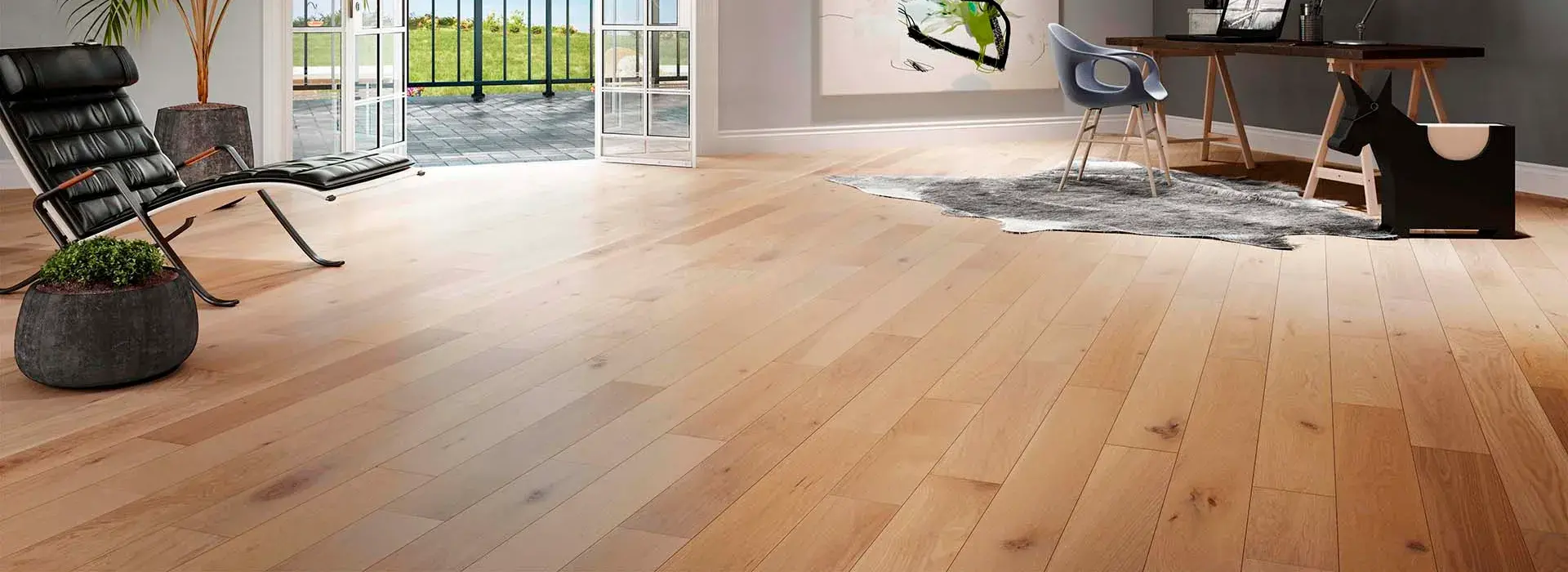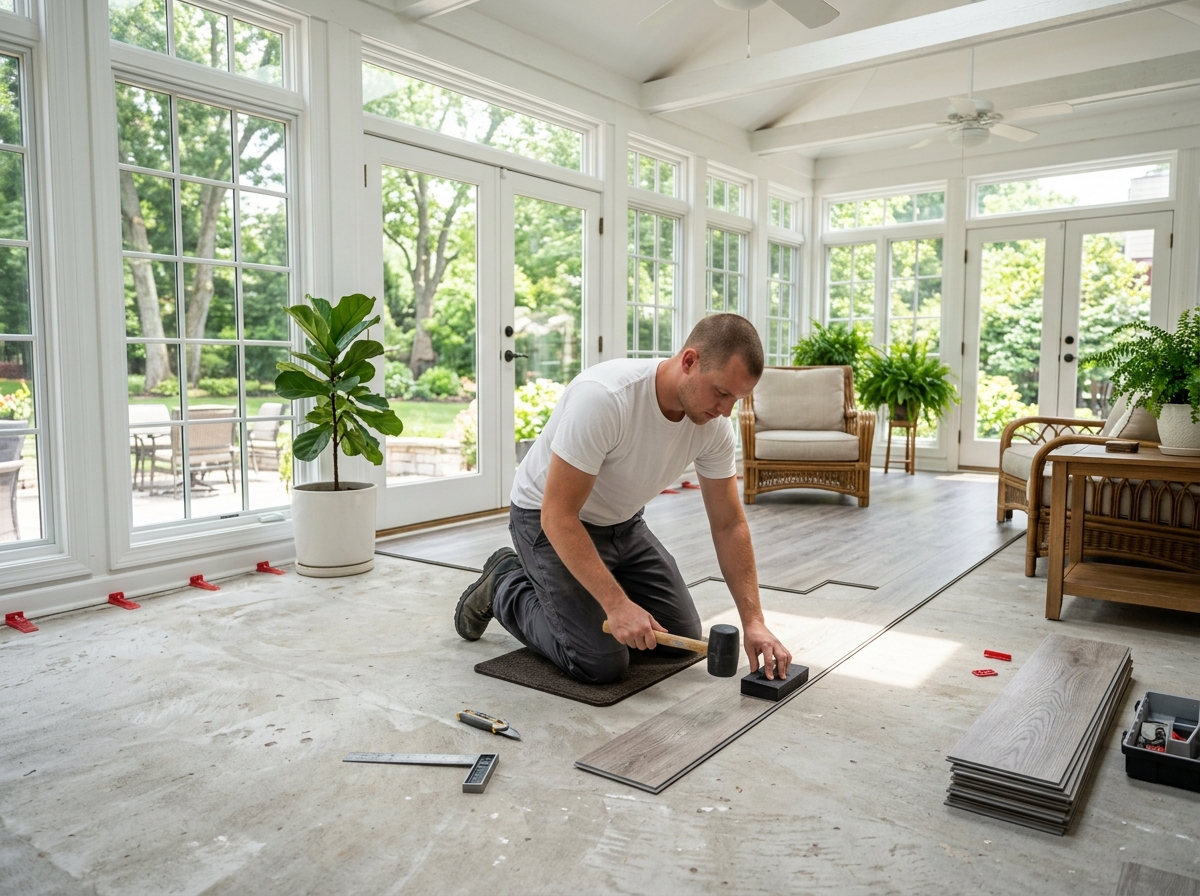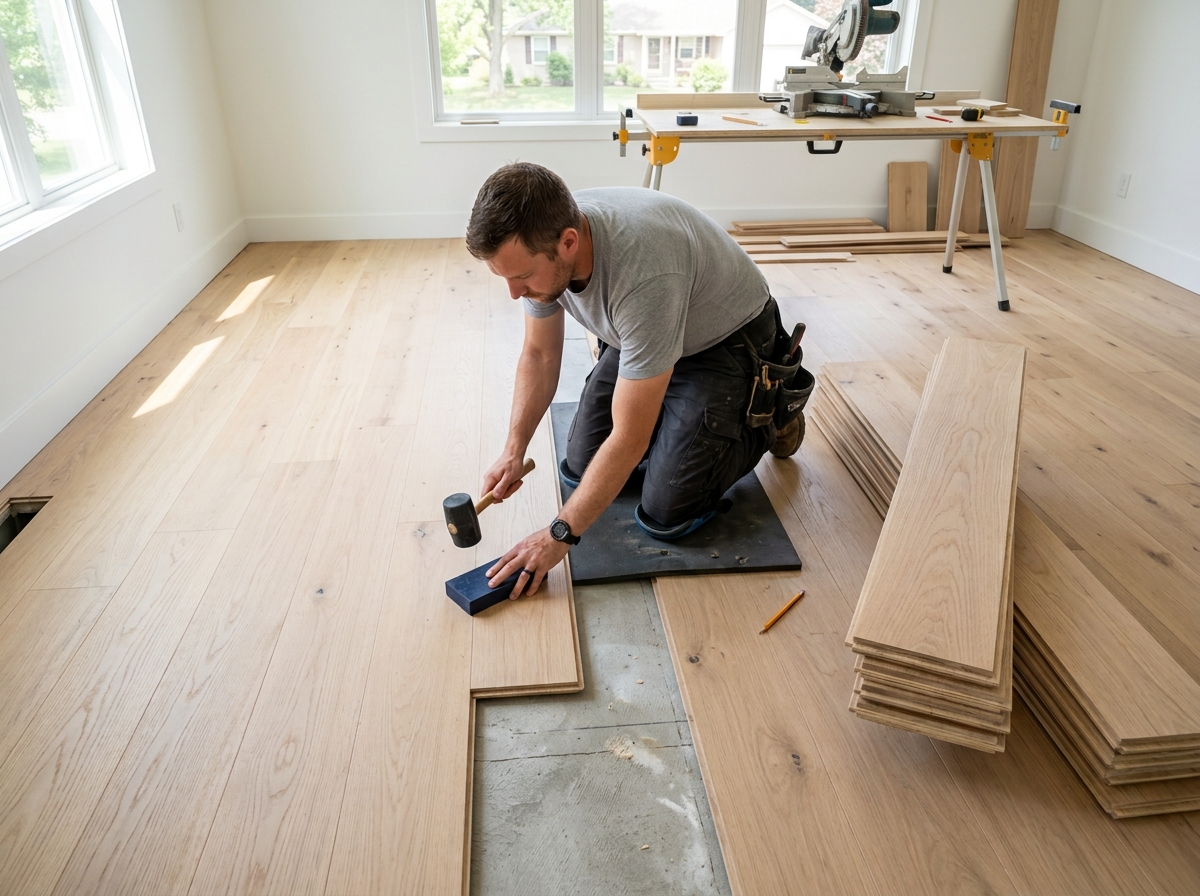
As a local installer and advocate for sustainable homes, I often begin conversations about Hardwood Floor Installation by asking homeowners in Canoga Park what matters most to them: durability, beauty, or environmental responsibility. Hardwood Floor Installation can satisfy all three when it’s approached thoughtfully, and in this article I’ll walk through the choices we make here in the San Fernando Valley to minimize ecological impact while delivering long-lasting floors.
Hardwood Floor Installation and Local Environmental Considerations
Canoga Park sits in a Mediterranean climate that influences both material selection and installation practices. When I discuss hardwood with clients, I highlight the importance of sourcing. Forest Stewardship Council (FSC) certification, reclaimed wood, and locally milled options reduce pressure on distant old-growth forests and lower transportation emissions. Choosing boards with a responsible chain of custody means the ecological cost is understood and limited, which is a major part of reducing the overall environmental footprint of a project.
Another local factor is indoor air quality. Because many homes here are sealed against heat in summer and cool air in winter, finishes and adhesives with low volatile organic compounds (VOCs) are critical. I specify water-based finishes and low-VOC adhesives whenever possible so the benefits of a new hardwood floor don’t come with lingering chemical exposure.
Choosing Materials and Finishes for Sustainability
Material choice is where decisions have long-term consequences. Solid hardwood stores carbon and can be sanded and refinished multiple times, extending its life for decades. Engineered hardwood can be a responsible option too, especially when the veneer is produced from certified or reclaimed timber. I encourage homeowners to think in terms of lifecycle: a floor that lasts 60 years and is refinished five times typically has a much lower per-year footprint than a less durable product that needs replacement after a decade.
Finishes and installation techniques also play a role. Using low-VOC, durable finishes reduces the need for frequent recoating and improves indoor air. Proper acclimation and moisture testing before installation prevent cupping, buckling, and wasteful callbacks. In the middle of a renovation or build, I sometimes recommend Hardwood Floor Installation approaches that combine reclaimed species with modern adhesives to marry heritage materials and contemporary environmental standards.
Installation Practices That Reduce Waste and Energy Use
One of the most overlooked sustainability levers is the installation process itself. Careful layout planning minimizes offcuts, and precision cutting reduces scrap. When demolition is necessary, we separate materials for recycling and reclaim usable boards for feature areas or donate them to local nonprofits. Acclimating wood properly before installation reduces the chance of failures that generate waste and require energy-intensive fixes.
Tool selection and jobsite efficiency also matter. Battery-powered tools and efficient dust collection systems reduce emissions and minimize airborne particulate that can affect nearby residents. I train crews to bundle smaller jobs into efficient runs across Canoga Park to cut travel emissions and make better use of local resources.
Maintenance, Longevity, and Carbon Benefits
Maintaining hardwood floors is the most powerful sustainability step a homeowner can take after installation. Regular cleaning with pH-neutral products, area rugs in high-traffic spots, and timely refinishing extend service life. Each decade of additional life reduces the material’s annual carbon impact. In many homes around Canoga Park, floors installed decades ago are still in service after multiple refinishes — that longevity is the true environmental win.
There’s also a social sustainability angle: choosing locally reputable installers and suppliers supports regional economies and ensures accountability for reuse and recycling programs. I always advise clients that their flooring choices can reflect their values without sacrificing performance or aesthetics.
Frequently Asked Questions
Q: How can I be sure the wood I choose is sustainably sourced?
A: Look for third-party certifications like FSC, ask suppliers about chain of custody, and consider reclaimed or remilled options. I can review product documentation with you to confirm responsible sourcing.
Q: Is engineered hardwood more eco-friendly than solid hardwood?
A: It depends. Engineered wood can reduce demand for large-dimension solid boards and often uses less slow-growth species, but the veneer and core composition matter. Certified engineered products and those using reclaimed veneers are often the best compromise.
Q: What finishes are best for indoor air quality?
A: Water-based, low-VOC finishes are now highly durable and significantly lower emissions than older solvent-based products. Proper curing time and ventilation after application keep indoor air safe.
Ready to Improve Your Home’s Environmental Footprint?
If you’re in Canoga Park and want floors that combine beauty, durability, and responsible sourcing, let’s talk specifics. I’ll walk you through species selection, finish options, and installation strategies tailored to your home so that your next renovation reduces waste and improves indoor air quality. For local projects I recommend starting with a detailed consultation — schedule a visit or ask about samples and we can review options together. Hardwood Floor Installation completed with thoughtfulness will pay dividends for decades, and I’m here to help you make choices that last.
IDN Hardwood and Carpet Superstore
7947 Canoga Ave, Canoga Park, CA 91304, United States
Phone: +1 (818) 888-8051