As a Canoga Park native and a hardwood flooring professional, I know the pride homeowners take in a beautifully laid floor. When I walk into a home for a post-installation inspection, I focus on everything from acclimation to finish — and I always start by reminding clients about proper expectations for Hardwood Floor Installation. Whether your project is a full tear-out or a repair in a single room, understanding the inspection process helps you protect your investment and enjoy a long-lasting floor.
Hardwood Floor Installation: What to Expect
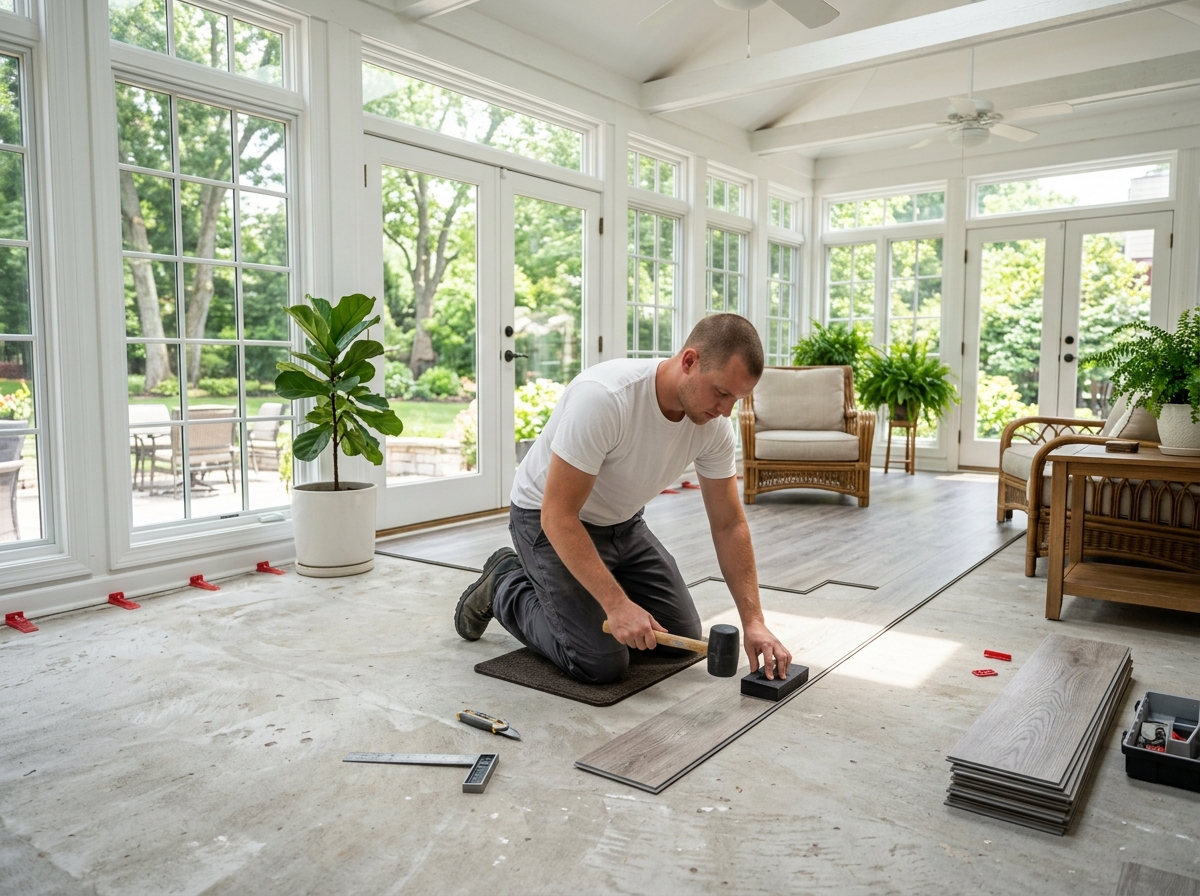
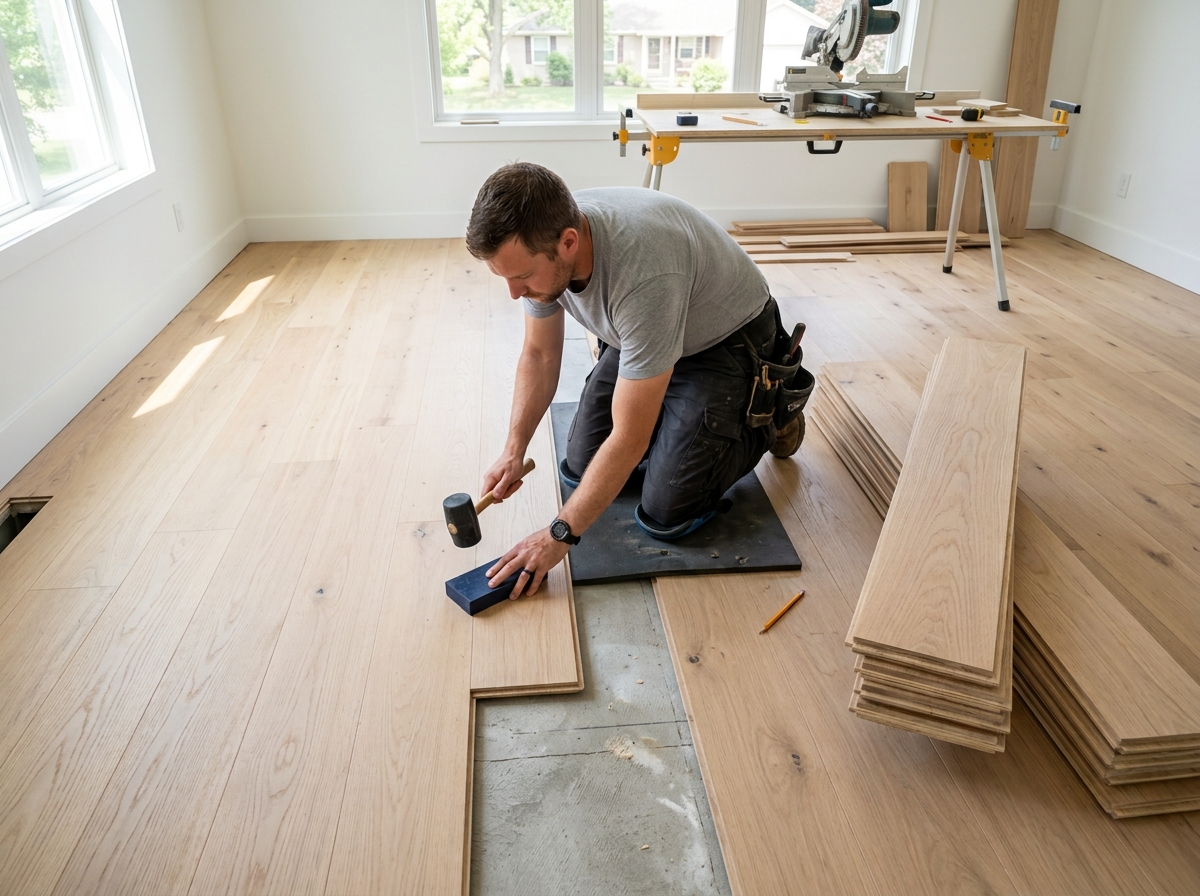
The installation begins long before the crew arrives. Wood needs to acclimate to Canoga Park’s climate, subfloors must be checked for level and moisture, and transition details have to be planned. During an inspection I examine the gaps, nail patterns, and alignment to make sure the installation follows manufacturer recommendations. I also test for squeaks and subtle height differences between boards. Clear communication with your installer about the species, grade, and finish makes the inspection straightforward and effective.
Preparing Your Home for an Inspection
Preparation is a collaborative effort. I advise homeowners to maintain normal household humidity in the days leading up to the inspection and to remove furniture from the work area when possible. Clear pathways let me evaluate door clearances and thresholds. I also ask questions about the house history — previous water events, HVAC performance, and how often the space is occupied — because those factors influence wood behavior. A calm, organized environment helps reveal any installation issues quickly.
Common Issues I Look For During an Inspection
In Canoga Park, seasonal humidity shifts can reveal problems that weren’t obvious right after installation. I check for cupping, excessive gaps, nail pops, and finish imperfections. Proper sanding and staining techniques leave clear, uniform color across the floor; uneven areas often trace back to poor subfloor preparation or inconsistent sanding. When moisture readings are out of range, I investigate potential leaks, plumbing issues, or HVAC imbalances before recommending corrective action.
Moisture, Subfloors, and Long-Term Performance
Moisture control is the backbone of a successful hardwood floor. I use a combination of moisture meters and visual inspection to assess the subfloor and the installed boards. In homes with slab-on-grade foundations or older HVAC systems, extra precautions such as vapor barriers or engineered options may be necessary. Addressing moisture sources during inspection prevents costly repairs down the road and helps your floor maintain its beauty and structural integrity for decades.
Finish, Transitions, and Final Walkthrough
The finish protects your wood and defines its look. I evaluate the clarity and evenness of the finish coat, check transitions at doorways, and make sure baseboards and shoe molding are properly installed. Your final walkthrough should include a demonstration of recommended cleaning products and maintenance routines. When something doesn’t meet expectations, I document it clearly and advise on the correct next steps, whether that’s touch-up work, re-sanding, or warranty follow-up.
Midway through the process, it’s common for homeowners to ask if they can trust their installer’s initial checks. I often refer clients to resources and best practices around installation, and I sometimes use the standard manufacturer guidelines as reference. If you want a thorough, independent perspective on quality and durability, I’ll walk you through an objective evaluation and point out whether the job aligns with industry standards. When needed, I recommend follow-up consultations with the installation team to resolve any concerns promptly. For detailed installation guidance, many clients consult the local service overview at Hardwood Floor Installation to compare notes and expectations.
Inspection Documentation and Warranties
Documentation matters. I provide clear notes and photographs that document any issues I find, and I explain how those items relate to manufacturer warranties or installer guarantees. Some problems are cosmetic and reversible, while others are structural and require more extensive intervention. Understanding warranty terms and the timeline for raising concerns helps homeowners in Canoga Park secure a remedy under the installer’s or product manufacturer’s policies.
FAQ
Q: How soon after installation should an inspection occur?
A: I recommend an initial inspection within one to two weeks after finish application to ensure the finish cured properly and to catch any installation issues before furniture is returned to the room. A follow-up after seasonal changes can also be helpful to check for movement related to humidity.
Q: What if I notice gaps or cupping after the installer leaves?
A: Small gaps can be normal with seasonal humidity changes, but large gaps or pronounced cupping indicate moisture imbalance or installation problems. Document the condition with photos, avoid drastic temperature and humidity swings, and contact your installer or an independent inspector to determine corrective actions.
Q: Can I inspect the floor myself or do I need a professional?
A: While homeowners can spot obvious issues, a professional inspection identifies subtle problems like improper nail patterns, subfloor irregularities, or moisture differentials. A trained eye ensures that the recommended corrections are appropriate and durable.
When you’re ready to move from question to action, I’ll help you schedule a comprehensive inspection and explain each finding in plain language. If you want an expert on-site to verify craftsmanship and longevity, reach out and let’s set a time to review your project. For a trusted local resource and to review installation standards before our visit, see Hardwood Floor Installation. Contact me for a detailed inspection and protection plan tailored to Canoga Park homes.
IDN Hardwood and Carpet Superstore
7947 Canoga Ave, Canoga Park, CA 91304, United States
Phone: +1 (818) 888-8051