As someone who has worked on hundreds of floors across Canoga Park, I often meet homeowners who are frustrated by the quirks of their laminate surfaces. Laminate is an excellent, durable option for many homes, but like any material it has specific failure modes that, when understood, are typically straightforward to address. If you are noticing gaps, buckling, scratches or moisture stains, you’ve come to the right place to learn practical, proven steps. For general information and product options, I often recommend checking out Laminate Flooring to see the styles and wear layers that fit a busy household.
Common laminate flooring problems in Canoga Park
Living in Southern California means wide temperature swings and the occasional seasonal humidity that can affect floorboards. The most frequent issues I see are loose or separated joints where planks pull apart, cupping or buckling from moisture intrusion, and surface damage like deep scratches or worn finishes. Homeowners also report creaking or shifting in floating installations when subfloors are uneven. Understanding whether the problem is cosmetic, installation related, or caused by moisture will determine the right repair approach and whether you can handle it yourself or need professional help.
Diagnosing the root cause before repairing
Diagnosing laminate concerns starts with simple observation. Check under cabinets, along exterior walls, and near entryways for bulging or discoloration that points to water exposure. Measure for gaps between planks in different rooms at different times of day; expansion gaps that disappear and return likely indicate normal movement, while permanent gaps can mean improper acclimation at install. Scratches and finish wear tend to be surface-level and respond well to targeted refinishing products, while core swelling or delamination indicates moisture has breached the plank and a full replacement of affected boards is usually necessary.
Repair techniques and when to call a professional
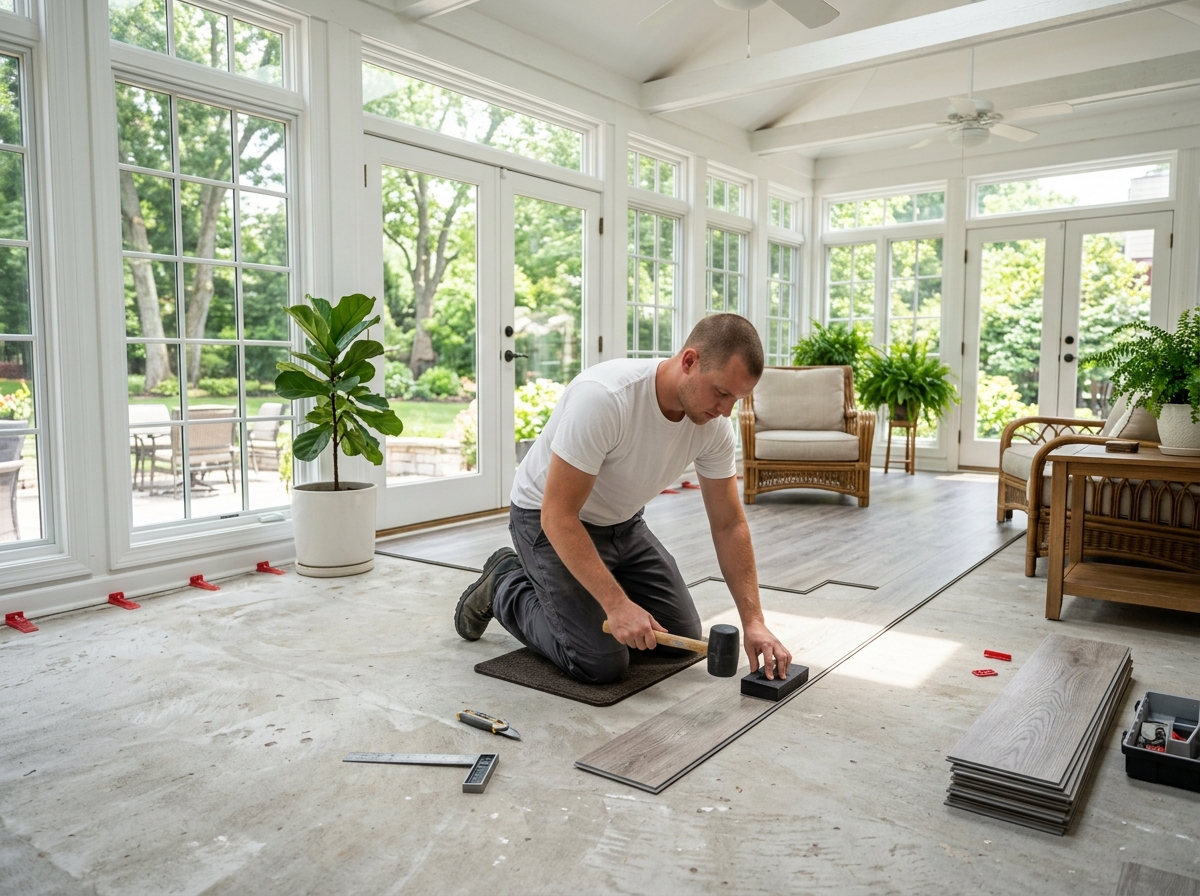
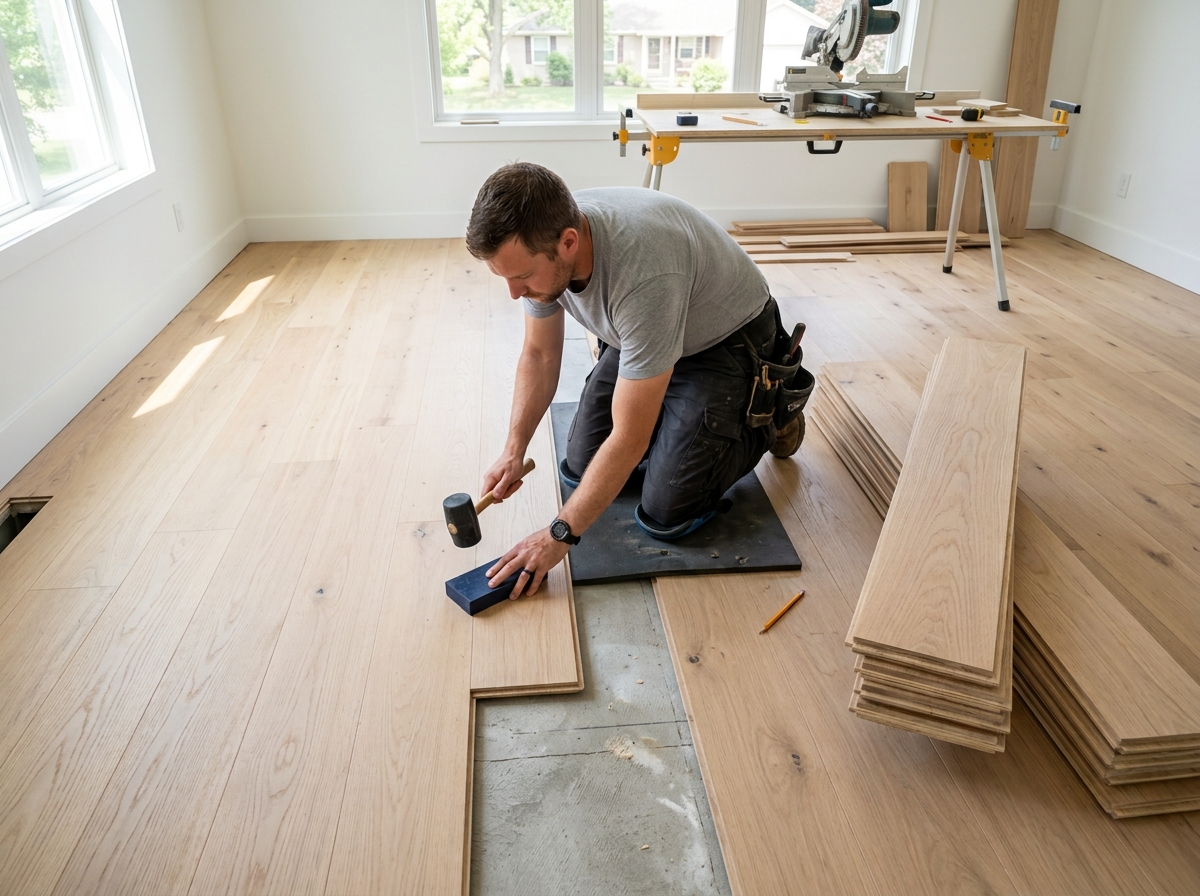
Minor scratches can often be improved with a colored repair filler, wax stick, or a light buffing with a manufacturer-approved cleaner. For gaps, a simple floating-floor fix is to re-establish the expansion space and re-click the planks after ensuring the subfloor is flat. If planks are buckled, gently remove the affected area, address any moisture source, and replace the damaged pieces. When repairs involve moving appliances, repairing subfloor damage, or addressing widespread moisture issues, bring in a licensed flooring specialist. We always emphasize correct acclimation, precise underlayment choice, and proper perimeter spacing to prevent repeat problems. For product-specific guidance and replacement parts, many homeowners find resources at Laminate Flooring useful when selecting matching profiles.
Preventive care to extend the life of your laminate
Prevention is often easier than repair. Use felt pads on furniture legs, area rugs at high-traffic zones, and a doormat at external doors to reduce grit and moisture. Clean spills promptly with a damp cloth and avoid steam cleaners that can force water into joints. Maintain indoor humidity between 35–55% when possible to reduce excessive expansion or contraction. Regularly inspect seams and transitions so small issues can be corrected before they require plank replacement. Educating household members about proper maintenance habits makes a big difference in keeping the floor looking and performing well for years.
Frequently Asked Questions about Laminate Flooring
Q: Can scratched laminate be repaired?
A: Yes. Surface scratches can often be blended with repair kits, wax sticks or touch-up markers designed for laminate. For deeper gouges that expose the core, you’ll likely need to replace the affected plank to maintain moisture resistance and appearance.
Q: What causes laminate boards to buckle?
A: Buckling is most often caused by moisture intrusion or lack of adequate expansion space. Check for leaks, high humidity, or constrictive trim that prevents the floor from expanding and contracting naturally. Addressing the moisture source and replacing damaged planks is the usual remedy.
Q: Is it worth repairing laminate or should I replace it?
A: That depends on the extent of the damage. Small localized repairs are almost always cost-effective. When multiple planks are swollen, delaminated, or the finish is uniformly worn, replacement may be the better long-term option. We help homeowners weigh repair versus replacement based on current condition and long-term goals.
Q: How can I match replacement planks to my existing floor?
A: If possible, purchase extra planks at installation and store them for future repairs. If that’s not an option, take a clear photograph and sample of the plank to a reputable supplier or manufacturer. Matching may require compromising on grain direction or using transition pieces; a local flooring expert can often blend repairs so they are minimally visible.
As a local Canoga Park flooring professional, I encourage homeowners to be proactive. If you’re dealing with persistent gaps, moisture damage, or widespread wear and want expert help, we can assess the situation and recommend durable solutions. For product options and to start a trusted repair or replacement conversation, visit Laminate Flooring. Laminate Flooring choices and proper installation can transform how your home performs and feels—reach out so we can help protect your investment.
IDN Hardwood and Carpet Superstore
7947 Canoga Ave, Canoga Park, CA 91304, United States
Phone: +1 (818) 888-8051