As a flooring expert who has spent years inspecting homes across the San Fernando Valley, I know homeowners often feel anxious before an inspection. When it comes to a Hardwood Floor, questions about condition, moisture, finish wear, and hidden damage come up again and again. In this article I’ll walk you through what to expect during a hardwood inspection in Canoga Park, CA, the common issues we find here, and how a careful walkthrough can protect your investment and keep your floors looking their best for years to come.
Hardwood Floor inspection essentials
Every inspection begins with a visual assessment. I start by examining the overall layout of the flooring, looking for signs of unevenness, gaps, cupping, crowning, or distortion that can indicate moisture problems or structural movement. The finish tells a story, too: surface scratches, dull spots, or areas where the finish has been worn thin reveal high-traffic patterns and potential for deeper damage. In older homes around Canoga Park, it’s common to find a mix of original planks and later replacements; identifying those seams and differences is part of the detective work.
What I look for under the surface
Beyond the surface, I assess moisture levels, subfloor condition, and the integrity of fastenings. Moisture is one of the chief causes of hardwood failures in our region, where occasional humidity shifts and plumbing leaks can quietly wreak havoc. I use a moisture meter and sometimes lift a threshold to examine the subfloor ventilation and joist spacing. Nail pops, missing glue, or loose boards are signs that may call for targeted repairs rather than a full replacement. My goal is to distinguish cosmetic issues from structural problems so you get a realistic plan of action.
Canoga Park climate and its impact on hardwood
Living in Canoga Park means experiencing seasonal swings and interior environments that change with HVAC use. These shifts influence how hardwood expands and contracts. I pay special attention to rooms that see direct sun, entryways where dirt and sand abrade finishes, and bathrooms or kitchens where water exposure is possible. Understanding these local factors helps me provide practical recommendations for maintenance, refinishing intervals, and whether a reactive or proactive repair strategy is best for your home.
Common repairs and realistic expectations
Homeowners often expect a simple sanding to fix every problem, but a prudent inspection clarifies realistic outcomes. Some scratches and finish wear respond beautifully to a light sand and refinish, while cupped boards caused by chronic moisture may need to be replaced and the moisture source corrected first. I explain the trade-offs: partial repairs that match existing planks, or larger area refinishing for a seamless look. If you’re preserving historic flooring or matching species and stains, those considerations shape the recommended pathway.
How to prepare for an inspection
Preparation makes an inspection more efficient and informative. Clear the area of furniture and rugs where possible, note recent spills or leaks, and point out rooms that have felt different in temperature or sound. I’ll ask about pets, past repairs, and whether anyone has noticed a lingering odor or staining. The more background you provide, the faster I can zero in on likely problem areas and provide a targeted evaluation. During the visit I’ll take photos and notes to document findings and support a clear repair plan.
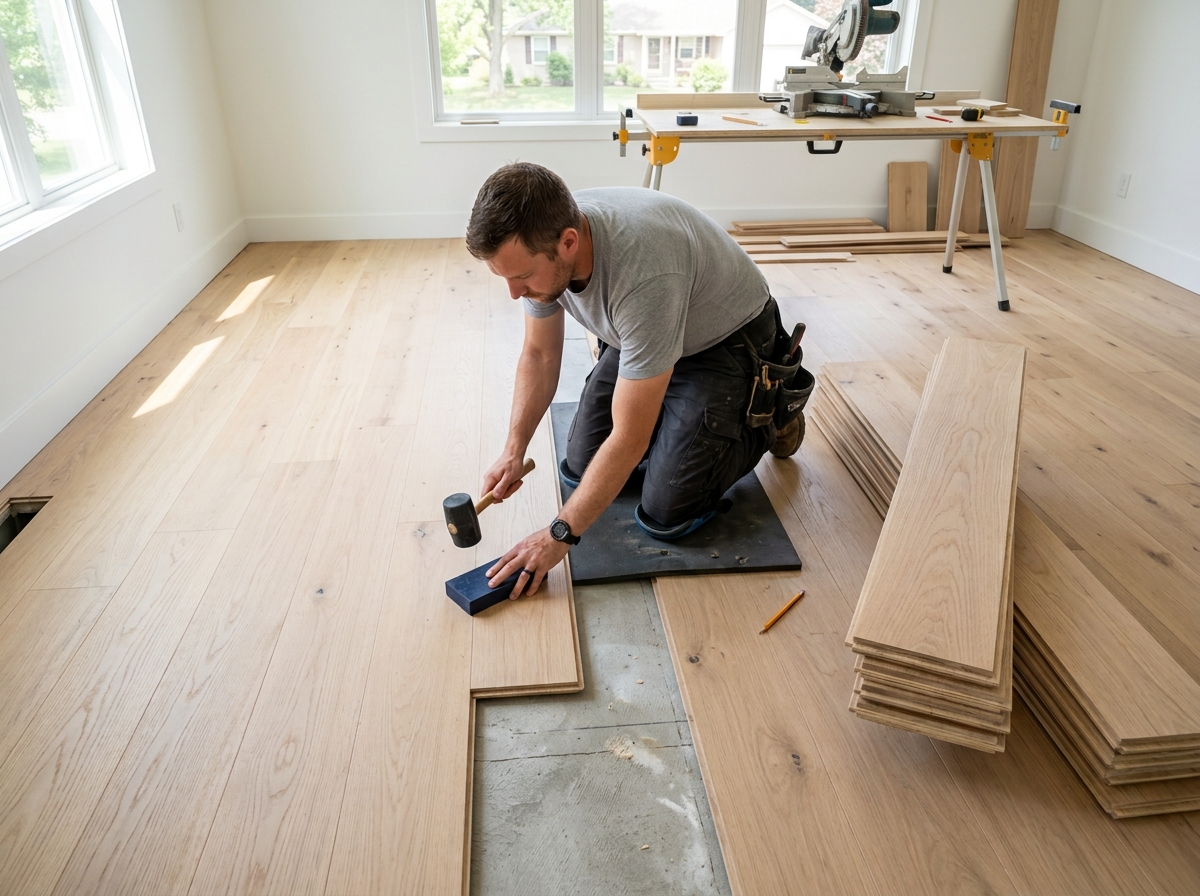
Midway through an inspection I often demonstrate the difference between surface and structural concerns, explaining how little signs can indicate larger issues. At this stage I may recommend additional testing, such as humidity monitoring or lifting a board to inspect the fasteners and subfloor. If replacement is necessary, I’ll walk you through options for species, plank width, and finish, always considering what will wear well in a Canoga Park household. Wherever possible I prioritize fixes that preserve existing material while ensuring long-term performance, and if replacement is chosen I discuss sourcing matching materials.
Communicating results and next steps
After the inspection I present a clear report outlining immediate concerns, recommended repairs, and maintenance tips to extend the life of your hardwood. I focus on practical actions: addressing moisture sources first, targeted board replacement, or whether a full sanding is warranted. I also prioritize safety issues, such as loose boards that create trip hazards. My recommendations include expected timelines for drying, acclimation of new materials, and refinishing windows to prevent sun damage. I believe an informed homeowner makes the best decisions, and I take the time to explain both short- and long-term implications.
Frequently Asked Questions
Q: How long does a typical hardwood inspection take?
A: Most inspections last between 45 minutes and 90 minutes depending on home size, the number of rooms with wood floors, and any additional testing required. I allocate time to document findings thoroughly.
Q: Will the inspection damage my floors?
A: No. Inspections are non-invasive unless we agree to lift a board or perform moisture testing that requires brief, reversible access. I always explain any step that could alter the floor before I proceed.
Q: Can a hardwood floor be repaired instead of replaced?
A: Often, yes. Many issues respond well to localized repairs, selective replacement, or refinishing. The inspection determines whether repairs can provide a durable, cosmetic solution or if replacement is the safer long-term choice.
Q: How do I know if moisture is the main problem?
A: Moisture meters and observation of patterns—such as cupping near exterior walls or persistent gaps—help identify whether moisture is the driver. We also evaluate plumbing, roof, and HVAC contributors as part of the inspection.
Considering an inspection is a smart first step to protecting both your floors and your home’s value. If you want a careful, experienced eye on your hardwood, reach out and we’ll schedule a time that works for you. I provide clear recommendations tailored to Canoga Park homes and will walk you through every option so you can make an informed decision about repair, refinish, or replacement. For trustworthy guidance on maintaining or restoring your floors, contact us about a professional Hardwood Floor inspection and let our team help preserve your home’s beauty and function.
If you’re ready to take the next step toward protecting your hardwood, call to arrange an inspection and receive a detailed, on-site evaluation. A thorough inspection can prevent small issues from becoming major repairs, and our local experience means we tailor advice specifically for Canoga Park conditions. Book a professional Hardwood Floor inspection today to protect your investment and secure lasting performance.
IDN Hardwood and Carpet Superstore
7947 Canoga Ave, Canoga Park, CA 91304, United States
Phone: +1 (818) 888-8051