Everyday Care for Engineered Hardwood in Canoga Park
Life in Canoga Park has a rhythm—busy weekdays, open-window evenings when the breezes are kind, and weekends that pull us outdoors. Engineered hardwood fits that cadence beautifully, but like any great material, it shines longest when you give it thoughtful routine care. The good news is that protection doesn’t require complicated products or fussy rules. It’s about a few consistent habits that make sense for our San Fernando Valley climate and for the way we use our homes. If you’re just starting, spend a few minutes learning the basics of engineered hardwood so you can care for your floors with confidence from day one.
Because engineered hardwood has a real-wood wear layer, maintenance is about preserving that finish and managing moisture. Dust and grit are the everyday culprits; left in place, they act like fine sandpaper underfoot. A quick dust mop or a soft-bristle vacuum pass is the most effective, low-effort step you can take. In our area, where breezes and backyard foot traffic bring in micro-debris, a light daily sweep in high-traffic zones keeps your floors looking fresh and slows wear dramatically.
Humidity, Temperature, and the Valley’s Subtle Seasons
Engineered cores resist movement, but moisture still matters. Canoga Park toggles between dry periods and rainy stretches, and HVAC usage changes the interior environment. Aim to keep indoor relative humidity in a comfortable mid-range; it’s good for your floors and for you. During dry, breezy spells—especially when Santa Ana winds sweep through—consider a small humidifier in rooms that feel particularly parched. In wetter winter weeks, a dehumidifier or simply running the heat gently can keep levels in check.
Temperature swings are less of a problem than humidity, but avoid extremes. If you leave for vacation in summer, don’t shut the house down completely; set the thermostat to maintain a stable environment. Small actions like these help prevent seasonal gaps at board seams and keep the floor’s surface tension balanced, preserving that tight, well-fitted look you admire on installation day.
Smart Cleaning That Preserves the Finish
The finish is your first line of defense against scuffs and moisture. Clean with a lightly dampened microfiber pad and a cleaner formulated for wood finishes. Avoid soaking the floor; water and wood are never friends. In kitchens and entryways, where splashes and drips are inevitable, keep a cloth handy and make a habit of spot-wiping right away. It’s amazing how much longevity you gain by responding in the moment rather than letting liquid sit.
For deeper refreshes, focus on technique, not force. A gentle pass with the right cleaner lifts residue without dulling the sheen. Resist the urge to “polish” with oil soaps or waxes unless your floor’s manufacturer specifically recommends them; many modern finishes are designed to be maintained with neutral cleaners and periodic professional recoats rather than household polishes. Done right, your floor will maintain a natural, low-gloss radiance that doesn’t show every footprint.
Protecting High-Traffic Zones and Thresholds
Think about how you move through your home. Near patio doors that open to backyards, a washable mat outside and a low-profile textile inside catch grit before it travels. At the sink and fridge, slim mats balance comfort and protection without turning the kitchen into a patchwork of rugs. In hallways, felt pads under console tables and a runner with a breathable backing prevent tiny scratches and reduce sound without trapping moisture.
Furniture protection is straightforward but essential. Felt glides under dining chairs, protective caps on barstool feet, and careful placement of heavy pieces protect the finish. Replace felt pads periodically; they compress and gather debris over time. When you rearrange rooms—common during holiday gatherings—lift furniture rather than dragging it, and take a minute to check that pads are intact before setting things back down.
Sunlight, Shade, and Color Stewardship
Our west Valley sun is generous, and wood responds to light. Over months, tones can mellow or slightly shift, depending on species and finish. That change is natural, but you can keep the color more even by rotating rugs a couple of times a year and occasionally shifting furniture placement. Sheer panels diffuse afternoon brightness, particularly in west-facing rooms. Thoughtful shading doesn’t mean living in dim interiors; it’s about smoothing the peaks so your floor ages gracefully.
Window upgrades and strategic films can help if you have large expanses of glass, but daily habits are powerful, too. Closing blinds during high-sun hours at the height of summer preserves not just the flooring but also textiles and artwork. The outcome is a space that feels bright and alive without introducing harsh, localized UV effects on the floor.
Dealing with Spills, Scratches, and Everyday Surprises
Spills happen. Wipe them up promptly with a soft cloth and follow with a dry pass. For sticky spots, a spritz of wood-floor cleaner on the cloth—never sprayed directly on the floor—does the trick. If you encounter a scratch, use a touch-up marker or fill stick matched to your floor’s tone, then buff gently. Textured finishes are forgiving; a little patience brings small blemishes into harmony with the surrounding grain.
Pet accidents require quick attention. Blot thoroughly, clean with a neutral cleaner, and ensure the area dries completely. Placing a mat under water bowls and a boot tray by the back door reduces puddles. These simple measures keep moisture from lingering at board edges where it can stress the finish.
Seasonal Tune-Ups for Canoga Park Homes
At the turn of each season, take a short walk-through. In summer, check the edges near sliding doors for dust lines and make sure felt pads haven’t compressed to hard plastic. In fall, as winds pick up, step up your dry-mopping to keep grit from acting like abrasive powder. Winter rains call for extra attention at entryways; swap in a fresh mat and remind family to park wet shoes on a tray. Spring is a great time to rotate rugs and confirm that sunlight patterns haven’t created stark contrasts.
These tune-ups take minutes and pay off in years. Engineered hardwood rewards consistency, not intensity. When care becomes part of your home’s seasonal rhythm, the floor remains a calm, reliable backdrop to everything else you do.
When to Call a Professional
There’s a sweet spot between DIY maintenance and professional service. If your floor looks clean but feels slightly rough or dull under bare feet, consider a professional clean and buff. If scuffs have accumulated in a busy zone—near a kitchen island or the path from garage to living room—a screen-and-recoat can restore luster without sanding through the wear layer. And if you’re noticing unusual gaps or slight cupping, a local pro can assess humidity patterns, subfloor conditions, and installation details to recommend smart fixes.
In the middle of your ownership journey—five to seven years in for many homes—step back and evaluate the finish. This is a good time to consider whether a professional refresh will lock in another long cycle of low-maintenance living. It’s also the moment to revisit product literature, reaffirm best-practice cleaners, and remind the household of the few simple habits that matter most for engineered hardwood flooring.
Special Notes for Kitchens, Condos, and Slab Foundations
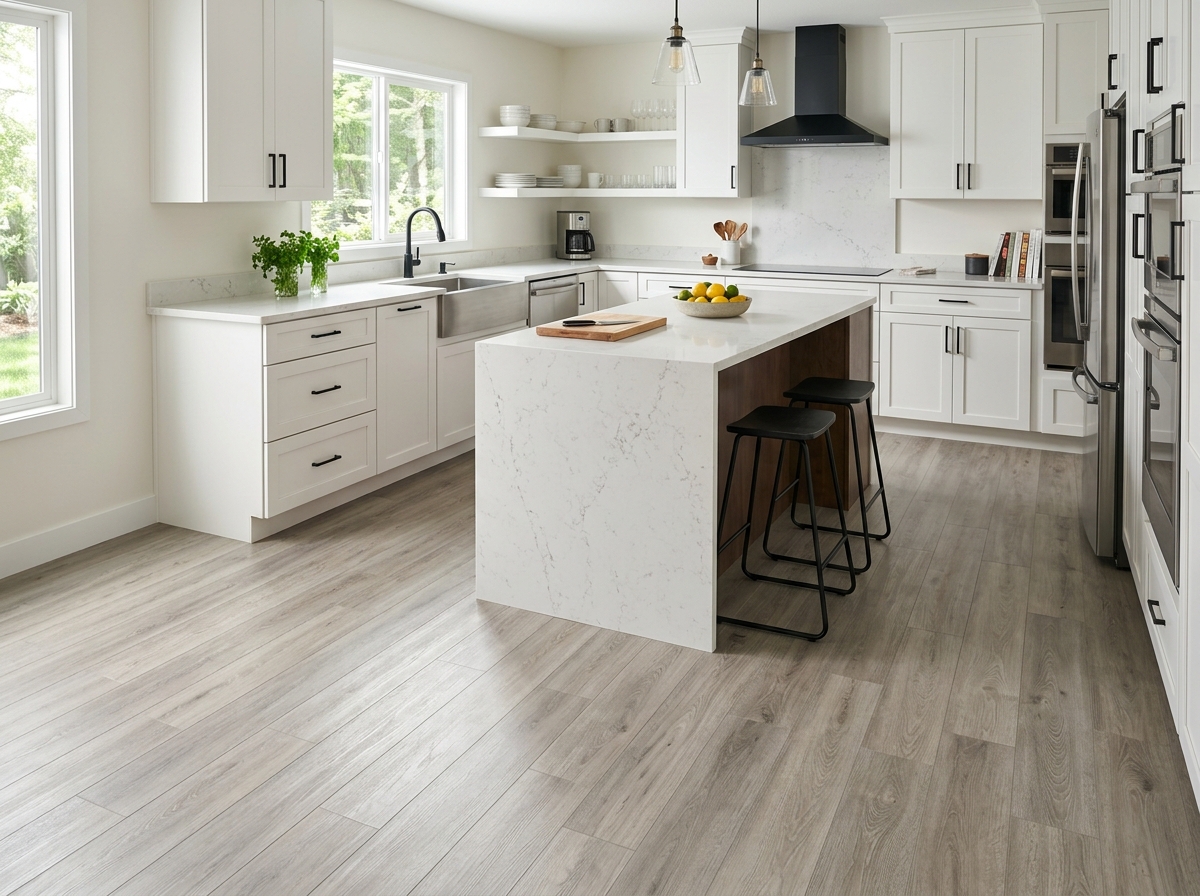
Kitchens concentrate life. If your engineered floor runs through this zone, commit to immediate spill cleanup and tidy habits around the sink and dishwasher. In condos and townhomes around Canoga Park, pay attention to HOA guidance on sound control and cleaning products; engineered floors paired with the right underlayment and thoughtful maintenance make for peaceful living above and below. Over concrete slabs, a smart moisture barrier during installation does most of the heavy lifting, leaving you free to focus on routine care rather than foundation concerns.
Entry sequences matter too. From the garage, give yourself a landing pad for shoes. From the backyard, a durable outside mat and a low-profile interior runner catch mud and dust before they streak across the family room. These checkpoints help your floor stay beautiful between cleanings, especially during fall winds and winter rains.
Troubleshooting: What’s Normal and What’s Not
Expect tiny seasonal seams, especially after a dry spell; they often close when humidity rebounds. A few hairline scratches are normal in active households and can be camouflaged. What’s not normal? Persistent moisture at board edges, hollow-sounding areas that weren’t present after installation, or finish delamination. If you notice these, don’t panic—engineered floors are repairable—but get a qualified opinion early. Early attention turns potential problems into straightforward, localized fixes.
Most owners find that understanding what’s expected brings peace of mind. Once you recognize the difference between healthy aging and true damage, you can enjoy your floors rather than policing them. That mindset is the secret to long-term satisfaction.
FAQ
1. How often should I clean my engineered hardwood floors?
Dry-dust or vacuum with a soft brush several times a week in high-traffic areas, and mop with a lightly damp microfiber pad as needed. Frequency depends on your household and season; during dusty fall winds, you may clean more often than in calmer spring weeks.
2. What cleaners are safe to use?
Use a cleaner formulated for wood-floor finishes and follow the label. Avoid steam mops, vinegar solutions, oil soaps, and wax unless your manufacturer explicitly recommends them. The goal is to lift residue without softening or dulling the finish.
3. Will engineered hardwood fade in sunlight?
Most wood tones shift subtly over time. You can minimize uneven change by rotating rugs periodically, using sheers or blinds during intense afternoon sun, and choosing finishes designed to resist UV. Even with precautions, expect gentle, natural mellowing rather than dramatic discoloration.
4. How can I protect floors from pet damage?
Keep nails trimmed, place mats under water bowls, and wipe any accidents promptly. Choose textures and matte finishes that disguise micro-scratches. With these habits, engineered hardwood holds up well in pet-friendly homes across Canoga Park.
5. Can engineered floors be refinished if they look worn?
Floors with thicker wear layers can be sanded lightly and refinished, while others respond best to a professional screen-and-recoat. A local pro can assess your specific product and recommend the right approach to restore sheen and protection.
6. What indoor humidity level is best?
A mid-range relative humidity—neither very dry nor very humid—keeps engineered cores and finishes content. Aim roughly for a comfortable living range and avoid extremes. Humidifiers or dehumidifiers can help during unusual weather patterns.
Ready to Keep Your Floors Beautiful?
If you’re ready to create an easy, sustainable care routine, start with small daily habits, then plan seasonal check-ins and an occasional professional refresh. When you want tailored guidance for your home, explore local resources and learn more about engineered hardwood flooring to ensure your surfaces stay resilient, quiet, and beautiful for years to come.
Keep Your Engineered Hardwood Floors Looking New
Regular care keeps your engineered hardwood floors beautiful and durable for years. At IDN Flooring, we provide specialized maintenance services in Canoga Park, CA designed to prevent wear, scratches, and moisture damage. Schedule your professional maintenance today and protect the natural elegance of your floors!