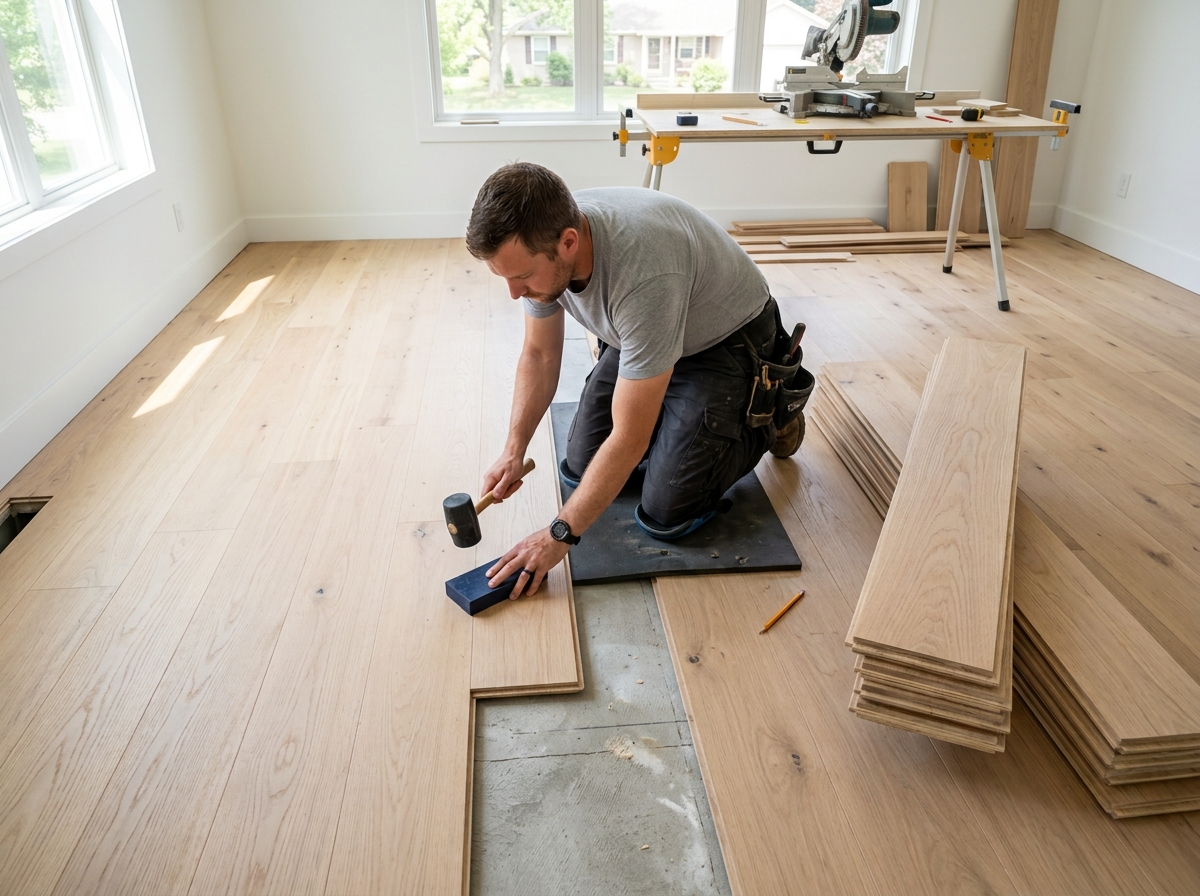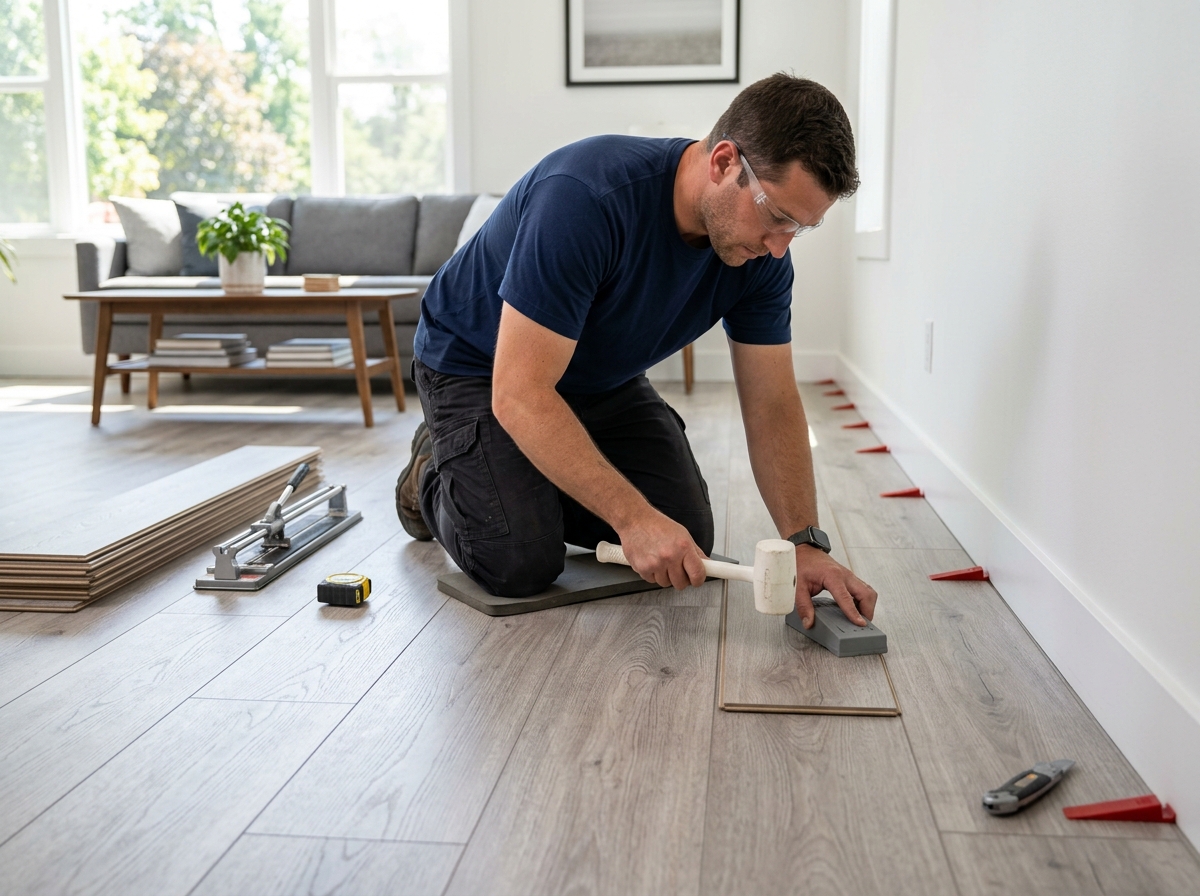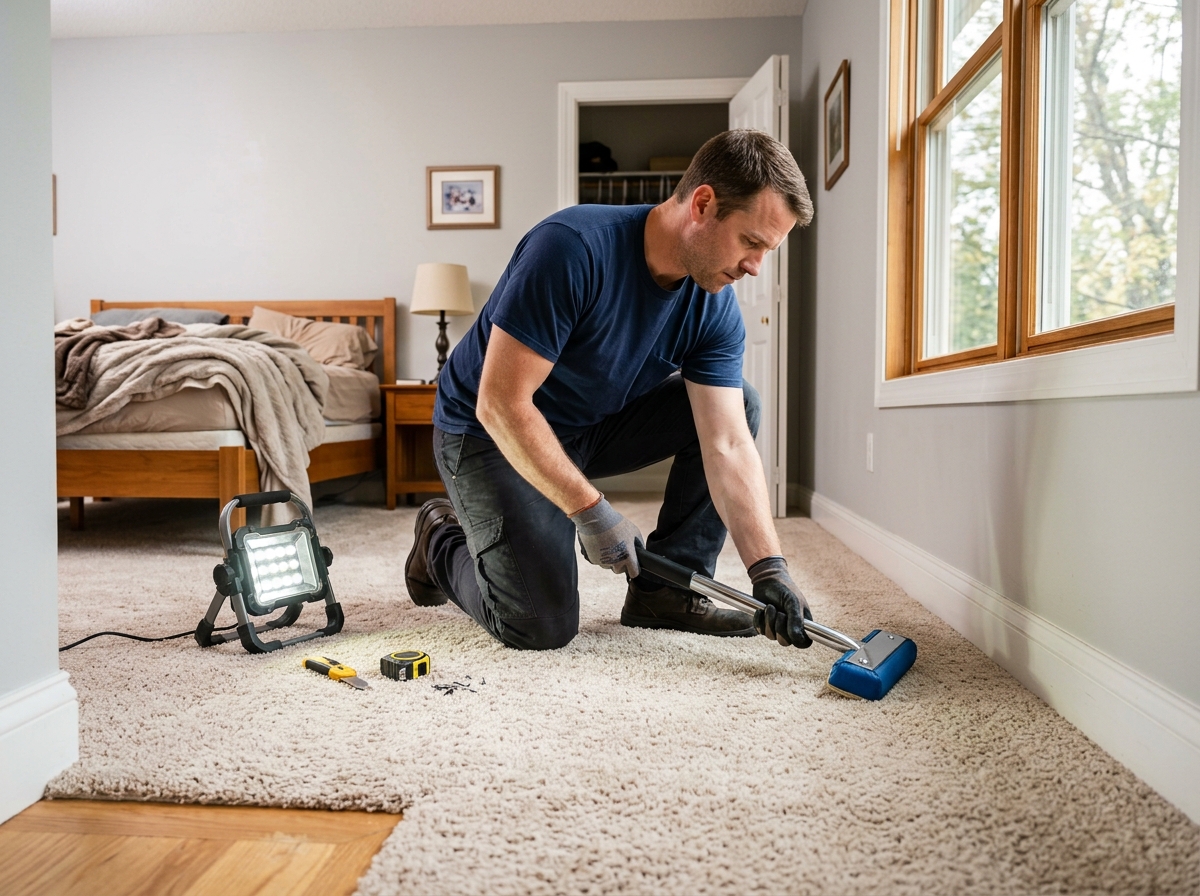
As someone who has worked on floors across the San Fernando Valley for years, I know how much pride homeowners in Canoga Park take in their wood surfaces. When I inspect a house, the first thing I mention is the importance of a well-maintained Hardwood Floor — both for its beauty and its longevity. If you’re noticing gaps, cupping, discoloration, or persistent squeaks, those are signals that your floors need attention. A careful evaluation can reveal whether a repair, refinishing, or more extensive intervention is necessary. In this introduction I’ll outline the most common problems I see locally and why early action preserves both appearance and structural integrity. Hardwood Floor
Hardwood Floor Issues to Watch For
Living in Canoga Park, we face a range of challenges that affect wood flooring. Seasonal humidity swings tend to cause boards to expand and contract, which often leads to gaps in winter and slight buckling in humid months. Surface wear shows up as dull finish or scratches in high-traffic zones, while water intrusion from spills, roof leaks, or plumbing mishaps can stain or warp boards. I always look for telltale patterns: peripheral gaps near baseboards suggest moisture change, whereas concentrated dark spots usually point to past liquid damage. Each symptom gives a clue about the timeline and severity of the issue.
Why Canoga Park Climate Matters
The microclimate here influences how wood behaves. Dry Santa Ana winds can dry out subfloors and lead to shrinkage, producing narrow seams and occasional squeaks. Conversely, periods of elevated indoor humidity—especially if homes lack consistent HVAC control—can cause cupping, where the center of a plank rises above the edges. I advise homeowners to monitor indoor humidity and to understand that many problems are cyclical; addressing root causes like ventilation or humidity control often stops recurring damage faster than refinishing alone.
Spotting Structural and Finish Problems
On routine visits I separate cosmetic damage from structural concerns. Surface scratches and worn finishes are usually cosmetic and can be rejuvenated with sanding and a fresh finish coat. However, persistent buckling, loose boards, or subfloor squeaks may indicate fastening failures, moisture-related decay, or inadequate installation. I use a combination of visual inspection and gentle probing to determine if the floor can be repaired in place or if sections need replacement. These steps reduce surprises and help you prioritize interventions in a thoughtful way.
Preventive Care and Best Practices
Prevention is often the most cost-effective strategy. Regular cleaning with appropriate products, protective rugs in high-traffic areas, and prompt attention to spills all extend the life of wood surfaces. I frequently recommend area-specific refinishing timelines based on wear patterns rather than a fixed calendar. When heavier repairs are needed, choosing materials compatible with your existing planks and ensuring proper acclimation before installation makes a lasting difference. For homeowners who want professional guidance, I explain the trade-offs between surface maintenance and deeper restorative work so they can make informed choices.
When to Call a Professional
Some problems are best handled early by a trained specialist. If you see persistent cupping, sharp changes in color that don’t respond to cleaning, or if boards are lifting, it’s time to schedule an inspection. Experience matters: a knowledgeable technician can identify whether an issue stems from moisture, installation, or typical wear and offer a repair plan that minimizes disruption. For Canoga Park properties especially, local expertise helps because we know the common failure modes in our climate and construction styles. You’ll often hear me advise a measured approach: stabilize the environment, address the cause, then restore the surface.
For homeowners curious about specific techniques or wondering whether replacement is necessary, I sometimes direct them to additional resources that explain materials and finishes. One trusted local resource I reference when discussing options is Hardwood Floor, which provides clear examples of finishes and installation approaches that work well in our area.
Frequently Asked Questions
Q: How can I tell if a stain is just surface-level or a deeper issue?
A: Surface stains often lighten with cleaning or a light sanding; darker, irregular spots that remain after cleaning likely indicate moisture penetration or tannin bleed and may require board replacement or deeper restoration.
Q: Is cupping reversible?
A: Mild cupping can flatten once indoor humidity stabilizes, but severe cupping that affects board integrity usually needs repair or replacement. Stabilizing the humidity and addressing any water intrusion are essential first steps.
Q: How often should I refinish my floors?
A: Refinishing frequency depends on wear; low-traffic rooms might go decades between major refinishes, while busy areas may need attention every 7–10 years. Spot refinishing and area-specific care can extend life between full-sandings.
Q: Can I install new wood over an existing hardwood?
A: It’s possible in some cases, but only after confirming the existing floor and subfloor are sound and at the correct height. Improper layering can create problems with doors, transitions, and structural stability, so professional assessment is recommended.
As a Canoga Park expert devoted to preserving the character of wood floors, I’m happy to help homeowners assess symptoms, explain repair options, and plan maintenance that respects both the home’s style and its long-term health. If you’re ready for an evaluation or want clear, practical advice tailored to your space, let’s take the next step together. For personalized recommendations and next steps, reach out and I’ll walk you through the best options for your Hardwood Floor. Hardwood Floor
IDN Hardwood and Carpet Superstore
7947 Canoga Ave, Canoga Park, CA 91304, United States
Phone: +1 (818) 888-8051