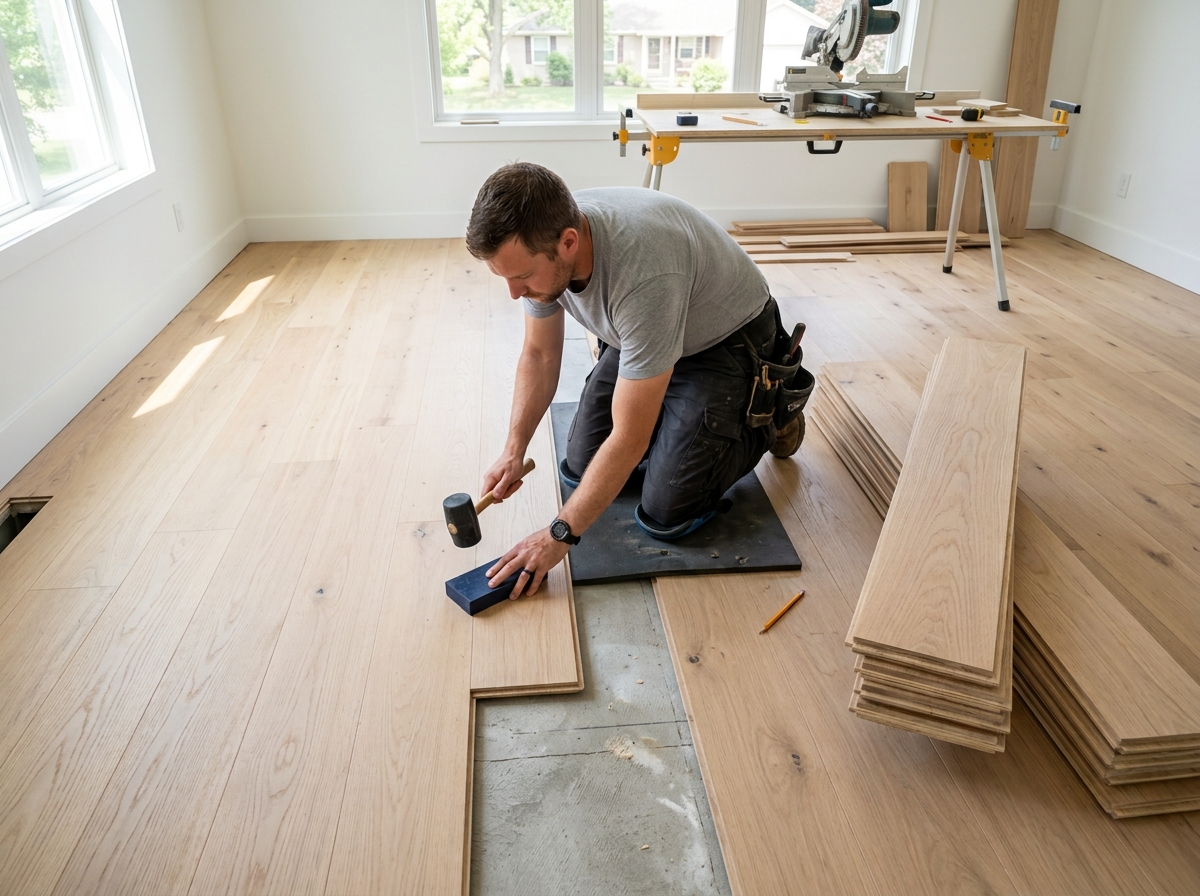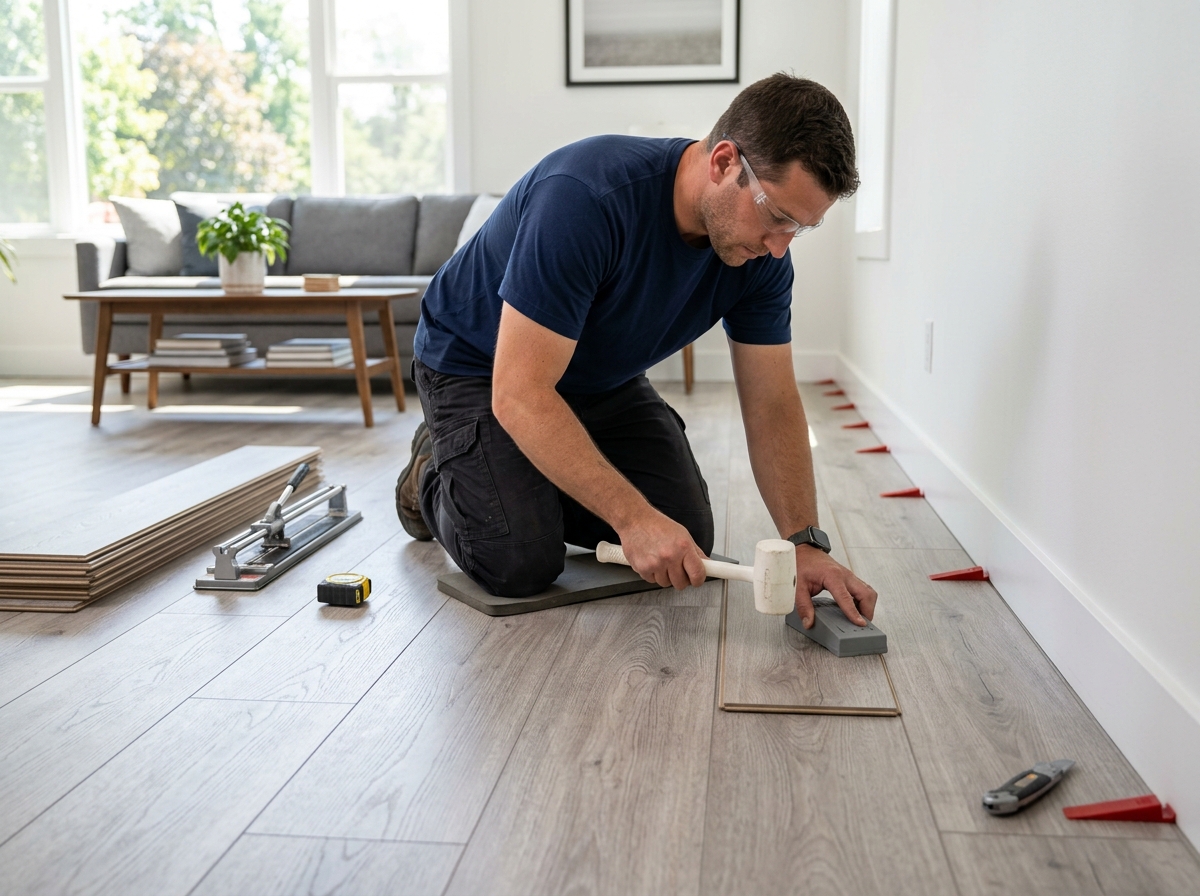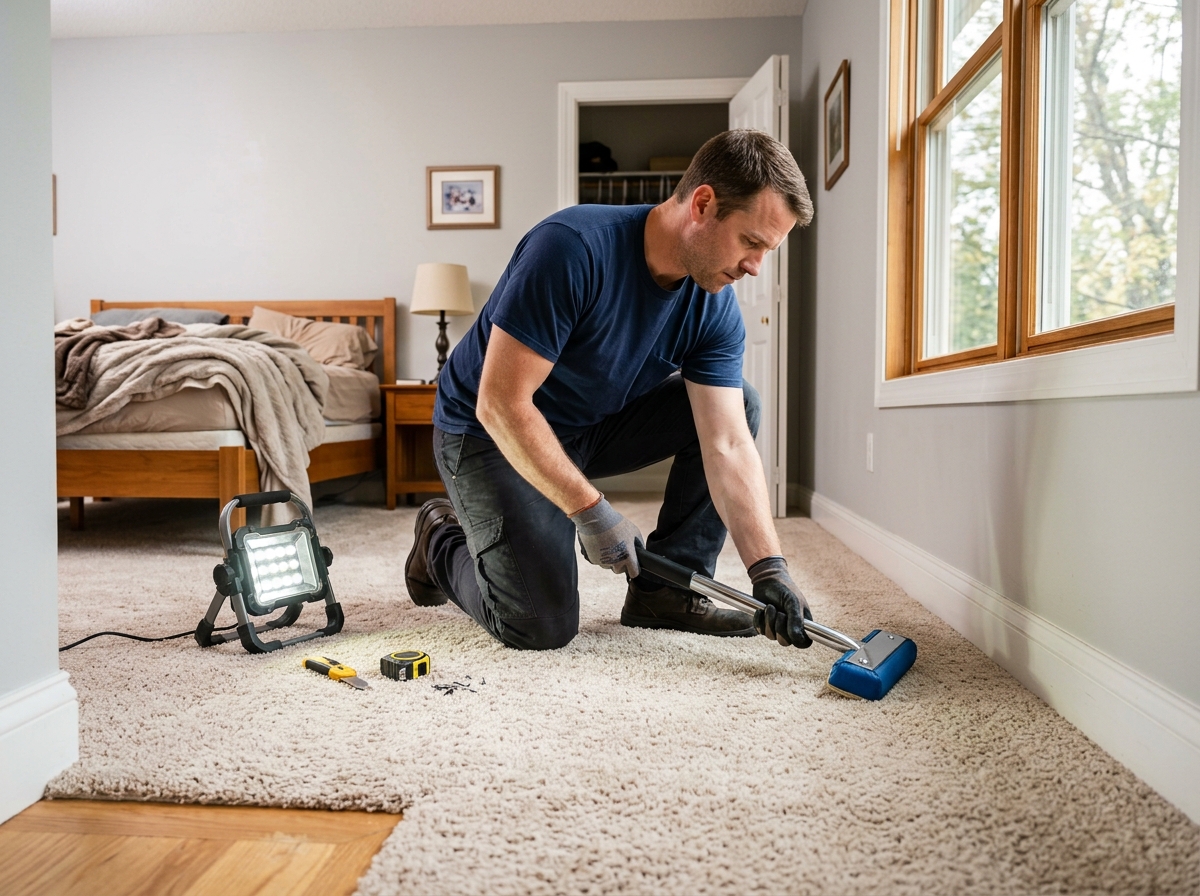
As a flooring professional who has worked across neighborhoods in the San Fernando Valley, I know that a successful Hardwood Floor Installation begins long before the first plank is laid. Early inspection and careful planning are the difference between a job that looks good for a season and one that performs for decades. When I arrive for an inspection, I look for moisture sources, subfloor condition, and environmental factors that can affect the wood’s behavior, and I explain to homeowners what to expect so the installation moves forward with confidence. For many clients I recommend our detailed Hardwood Floor Installation process because it emphasizes prevention and quality control from day one.
Hardwood Floor Installation Inspection Steps
An inspection is a systematic review that covers the structure beneath the floor, the moisture profile of the home, and acclimation needs for the specific species of wood chosen. I begin by evaluating the subfloor—whether it’s plywood, concrete, or an existing floor—and I check for levelness and stability. Next, I use a calibrated moisture meter across multiple points to measure the relative moisture content of both the subfloor and the hardwood cartons. In Canoga Park’s climate, indoor humidity can swing with seasonal A/C use, so I also assess the heating and cooling patterns of the home. Proper acclimation and moisture mitigation strategies are planned based on those measurements to limit movement after installation.
What I look for during a site assessment
My site assessment is narrative-driven: I describe what I find in plain terms so homeowners can make informed decisions. I examine entryways, bathrooms, kitchens, and any areas exposed to sunlight or exterior walls for signs of past water intrusion. I listen for creaks and check for squeaks that indicate loose subflooring. I note transitions and thresholds that require special attention and identify areas that may need repair or reinforcement. Attention to these details reduces surprises and avoids callbacks. Midway through planning, I often recommend the exact approach I’ll use and direct clients to our thorough Hardwood Floor Installation documentation so they know the standards we follow.
Common issues and how inspections prevent them
Problems like cupping, gapping, and premature finish failure are typically the result of ignored moisture or poor acclimation. During the inspection I evaluate crawlspace ventilation, slab moisture, and plumbing history to determine risk. If a concrete slab shows elevated moisture readings, I specify an appropriate moisture barrier or recommend a different installation method. For nail-down installations, I verify joist spacing and subfloor thickness. For glue-down applications, I confirm the adhesive compatibility with the wood and the substrate. These preventive steps are why an invested inspection pays for itself in longevity and appearance.
Preparing your home and what I ask homeowners to do
Preparation makes the installation smoother and protects your investment. I walk homeowners through simple steps like maintaining interior temperature and humidity for a few days before installation, clearing furniture from the work area, and planning for limited foot traffic during the first 48 to 72 hours after finish application. In older homes or ones with active plumbing, I advise a professional plumber check seals to avoid surprises. I also document any existing floor imperfections so they’re not misattributed to the new installation.
Materials, acclimation, and scheduling
Species selection and plank dimensions influence how long hardwood should acclimate. Wider planks and engineered species have different tolerances, and I schedule deliveries to allow for enough time in your conditioned space. Deliveries are staged in a dry, ventilated area and boxes are opened to let air circulate around the boards. If a particular product calls for manufacturer-specific acclimation, I follow that guidance closely and record readings to maintain accountability. Clear communication about timing keeps projects on track and minimizes the risk of expansion or contraction issues later on.
FAQ
Q: How long does an inspection take? A: Typically 30 to 90 minutes depending on the size of the home and complexity of the job; I provide a written summary afterward.
Q: Will you test for moisture? A: Yes. I use industry-standard moisture meters and, when necessary, in-situ relative humidity tests for concrete slabs to produce accurate readings.
Q: Do I need to move furniture before the inspection? A: Light clearing helps but a full move isn’t required for a preliminary inspection; however, we will need the area fully cleared prior to installation day.
Q: Can installation proceed without repairs? A: It depends on what the inspection reveals. Minor leveling can often be handled in the prep phase, but structural or plumbing issues should be resolved before installation.
Ready to schedule your inspection?
If you’re considering new hardwood or want to ensure your current floors are ready for a lasting finish, I invite you to contact us and begin with a professional inspection. Our team emphasizes clarity at every step, and we’ll walk you through the recommended mitigation, acclimation, and installation plan so the final result meets both aesthetic and performance expectations. For expert guidance on Hardwood Floor Installation and inspections that prioritize long-term success, reach out today to set up a visit — we handle the details so you don’t have to. Hardwood Floor Installation
IDN Hardwood and Carpet Superstore
7947 Canoga Ave, Canoga Park, CA 91304, United States
Phone: +1 (818) 888-8051