As a flooring professional who has worked across Canoga Park for years, I’ve seen firsthand how a simple decision about materials can ripple into broader environmental consequences. When homeowners ask me about Flooring Installation, they often focus on style and durability, but understanding the environmental costs — from extraction to disposal — is essential to making informed choices that suit both your home and our local ecosystem.
Why local context matters for Flooring Installation
Canoga Park sits within a unique Southern California climate and urban fabric. The choices we make here affect stormwater runoff, urban heat island effects, and indoor air quality in ways that differ from other regions. A material sourced from far away carries transportation emissions, while some manufacturing processes release volatile organic compounds that can affect indoor health. As an installer, I consider how a product’s life cycle — harvesting, manufacturing, shipping, installation, maintenance and end-of-life — will play out in our neighborhood.
Types of materials and their environmental footprints
Hardwoods, engineered wood, vinyl, laminate and tile each have distinct environmental profiles. Solid hardwood often comes with the benefit of longevity and the potential for refinishing, but it can carry concerns about responsible forestry. Engineered wood reduces demand for old-growth timber but may contain adhesives with emissions. Luxury vinyl plank is durable and water-resistant but is petroleum-based and poses challenges at disposal. Porcelain and ceramic tiles are long-lived and inert once installed, yet their manufacturing can be energy intensive. I guide clients toward materials certified by credible programs when possible, and I prioritize products with transparent supply chains.
Installation practices that reduce environmental impact
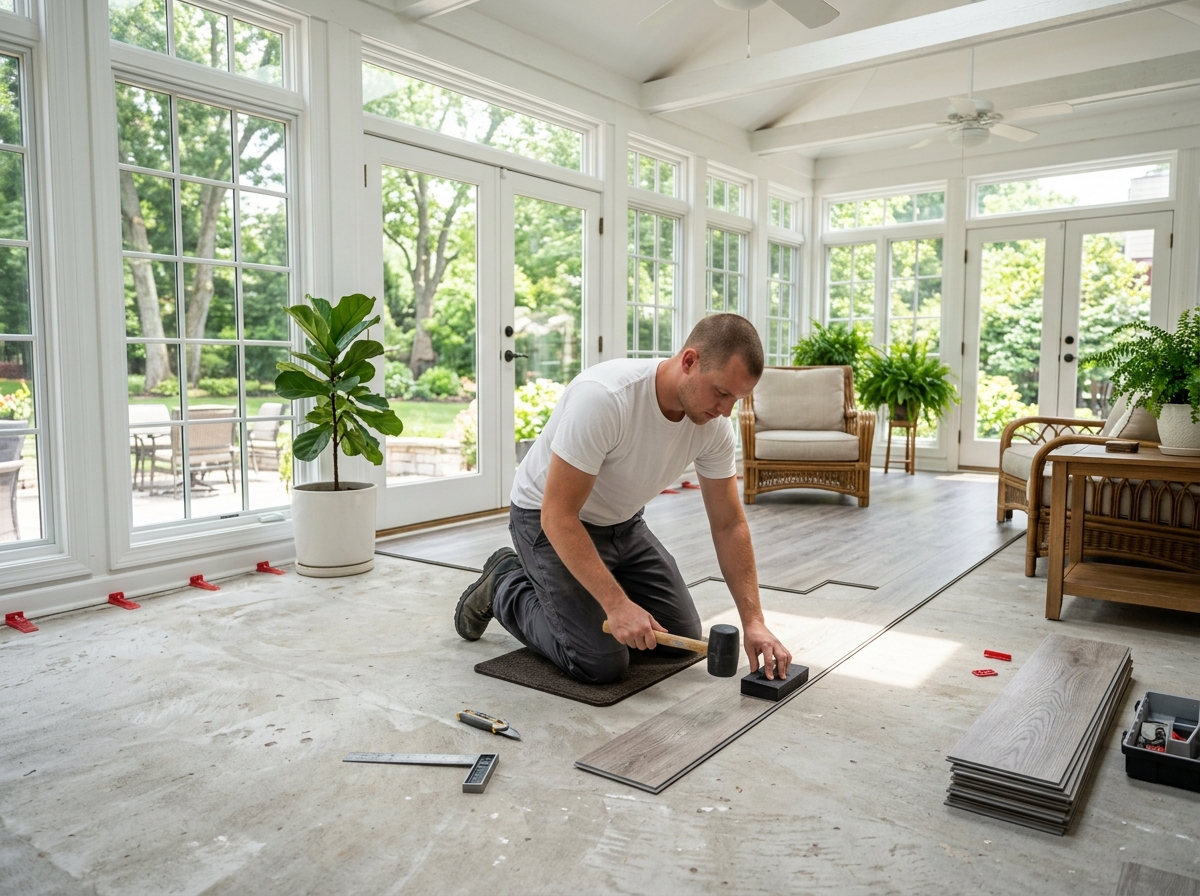
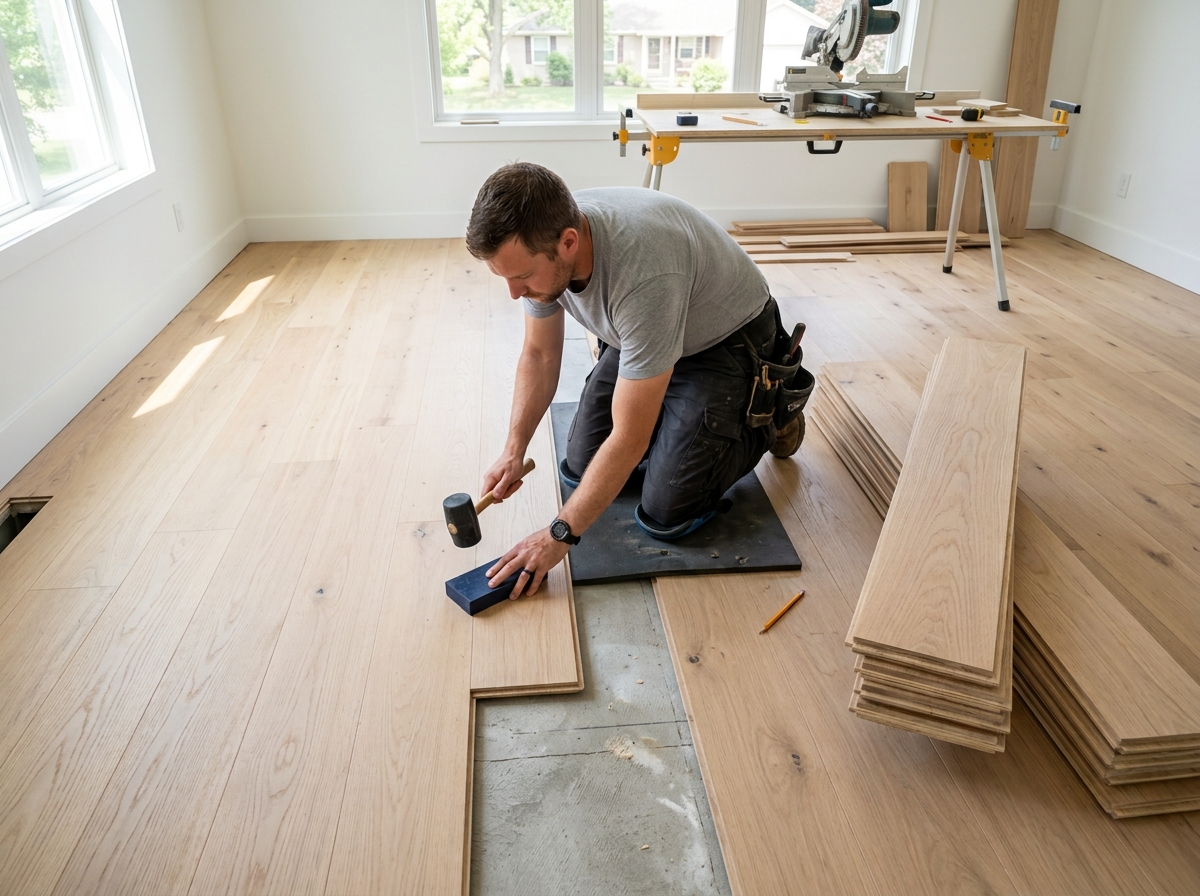
Beyond material selection, the way we install floors makes a meaningful difference. Proper subfloor preparation minimizes waste from damaged planks or tiles. Choosing low-VOC adhesives and finishes keeps indoor air healthier for families and installers alike. I also work to reuse underlayment and salvageable materials whenever safety and performance allow, and I coordinate with local recycling outlets to divert construction waste from landfills. Small changes on the jobsite add up over the course of dozens of projects.
Waste management and end-of-life considerations
Dispose less and recycle more: that’s the principle I bring to demolition days. Old wood floors can often be reclaimed or donated, tiles can sometimes be crushed for aggregate, and many modern manufacturers offer take-back or recycling programs. For materials that are difficult to recycle, such as certain vinyls, it’s important to minimize their use up front and choose options with documented recycling pathways. I’ll often discuss long-term scenarios with homeowners so they understand how today’s choices affect removal and replacement options decades down the line.
Health, indoor air quality and community impacts
Good installation practice protects more than the floor — it protects the people who live on it. Low-emission adhesives, finishes and underlayments reduce respiratory irritants and off-gassing. During installation, dust control and proper ventilation keep neighbors and occupants safe, which is particularly important in dense Canoga Park homes and multi-family buildings. I train my crew in containment strategies and time installations to minimize disturbance to residents and surrounding properties.
Midway through a project, clients frequently ask where to find reliable installers and services. For local homeowners looking to balance performance and sustainability, I recommend beginning with a clear conversation about goals and constraints and consulting resources that prioritize environmental transparency. A trusted resource for many of my clients is Flooring Installation, which provides practical information on materials and practices relevant to our area.
How policy and incentives shape greener choices
Municipal policies and building codes increasingly push toward energy efficiency and healthier materials. Incentives for energy-efficient home improvements, local recycling initiatives and procurement preferences for certified materials all influence what makes sense for a project in Canoga Park. I stay current with local regulations and opportunities so I can advise homeowners on options that may qualify for rebates or that align with city sustainability goals.
FAQ
Q: What is the single biggest environmental concern with replacing a floor? A: The most significant impact often comes from material choice and disposal. Selecting longer-lasting or recyclable materials reduces the long-term footprint.
Q: Can reclaimed materials be used safely in my home? A: Yes, when properly inspected, cleaned and treated. Reclaimed wood can add character and reduce demand for new lumber, but it must be vetted for nails, pests and finishes.
Q: Are there low-emission options that still perform well in Canoga Park’s climate? A: Absolutely. Engineered boards with low-VOC adhesives, porcelain tile for wet areas, and high-quality finishes provide durability without heavy emissions when properly specified and installed.
Q: How do you handle construction waste during installation? A: My approach focuses on segregation, reuse and partnering with local recycling facilities. I prioritize donation and material salvage before considering disposal.
Taking the next step toward a greener floor
If you’re planning a project, start the conversation early so we can align material selection, installation methods and end-of-life planning with your environmental priorities. A practical first step is to evaluate your goals for durability, indoor air quality and recyclability. If you’d like guidance tailored to a specific room or property type, I encourage you to reach out and explore options together. For homeowners in Canoga Park who want both performance and sustainability, I often recommend trusted resources and professional partners like Flooring Installation to review products and practices that match local needs and values.
IDN Hardwood and Carpet Superstore
7947 Canoga Ave, Canoga Park, CA 91304, United States
Phone: +1 (818) 888-8051