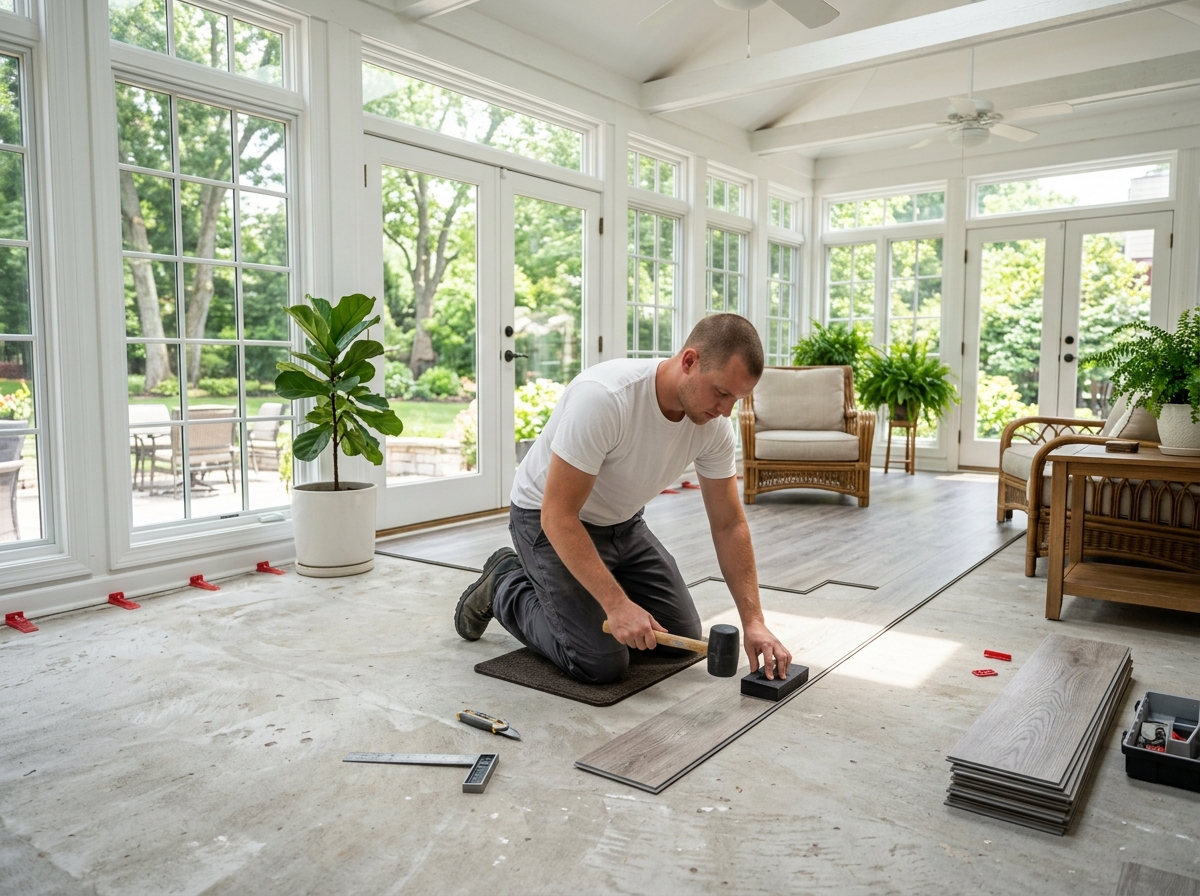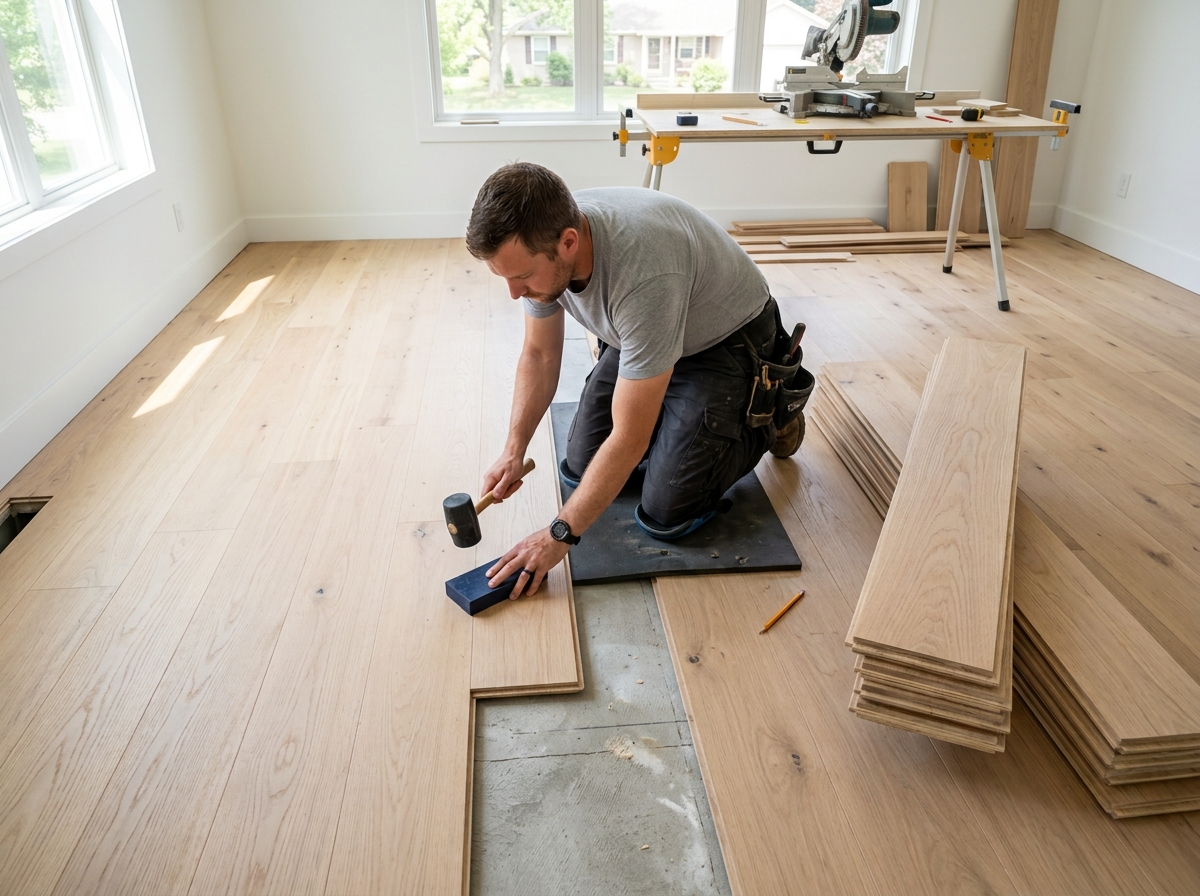
As a local flooring professional, I know how important a smooth, well-documented process is when you schedule a Flooring Installation in Canoga Park. From the moment you decide on materials to the final inspection, each step affects the longevity and appearance of your floors. My goal here is to walk you through scheduling an inspection with confidence, explain what inspectors look for, and share tips from years of on-the-ground experience so your project goes without surprises.
Why inspections matter for your new floors
An inspection is more than a formality; it verifies that site conditions, subfloor preparation, and material selection meet local standards and manufacturer requirements. In Canoga Park’s varied climate, small issues like moisture or improper acclimation can cause cupping, buckling, or gaps later on. A thorough inspection helps catch these risks early, protecting your investment and ensuring the work complies with best practices. When an inspector signs off, you gain peace of mind that the installation team has met the necessary checkpoints.
Flooring Installation Inspection Process in Canoga Park
The inspection process typically begins with a site review. The inspector checks the subfloor for level, moisture content, and structural integrity, then confirms that the correct underlayment and adhesives are being used. They will also verify that the product has been allowed to acclimate to indoor conditions if required by the manufacturer. Throughout the inspection, documentation is taken and any issues are noted so that contractors can address them immediately. I’ve found that clear communication between homeowner, contractor, and inspector reduces rework and keeps timelines realistic.
How to schedule and prepare for your inspection
Scheduling an inspection early in the project timeline prevents delays. Aim to book your inspection before the final installation day so any required adjustments can be made without rushing. Prepare the space by clearing furniture and ensuring the subfloor is accessible and clean. Have product information and manufacturer guidelines on hand; inspectors often reference these to ensure installation methods align with warranty requirements. If you are working with a contractor, ask them to coordinate the inspection date and provide any necessary paperwork in advance.
Common issues inspectors look for and how to avoid them
Inspectors frequently encounter uneven subfloors, excess moisture, improper adhesives, and incorrect expansion gap installations. To avoid these problems, start with a professional assessment of your subfloor before ordering materials. Use recommended underlayment and acclimate flooring products per the manufacturer’s instructions. Communicate openly about the delivery and storage of materials; keeping boards stacked and indoors at ambient temperature reduces the risk of warpage. Addressing these items proactively makes the inspection smoother and helps maintain manufacturer warranties.
Working with contractors and the inspector
Collaboration is key. A contractor who understands local code, manufacturer specifications, and the inspector’s expectations will make the inspection process efficient. Encourage your contractor to walk through the inspection checklist with the inspector so both parties are aligned on remedies for any deficiencies. If a concern arises, a reputable contractor will correct the issue promptly and request a re-inspection if necessary. Documenting every step with photos and notes pays dividends if warranty claims or disputes occur down the line.
Mid-project check: why a second look helps
For larger projects or multi-room installations, a mid-project inspection can catch issues before they propagate. A second check after subfloor preparation but before final fastening or adhesive application is often worth the time. This mid-project point is where a lot of minor defects can be corrected without dismantling finished work. I recommend homeowners consider this extra layer of oversight, especially when using premium materials or when installation spans several days.
Frequently Asked Questions
Q: When should I schedule the inspection?
A: Schedule an inspection after subfloor prep and product acclimation but before final installation so inspectors can verify conditions and materials.
Q: Do I need to be present for the inspection?
A: It’s helpful to be present or have your contractor attend. Being on-site allows you to ask clarifying questions and understand any required corrective actions.
Q: What if my inspection finds problems?
A: Most issues can be remedied by addressing moisture, leveling the subfloor, or using specified adhesives. Your contractor should make corrections and coordinate a re-inspection if necessary.
Q: Will inspection affect my warranty?
A: Yes. Following manufacturer installation guidelines and passing inspections often preserves full warranty coverage, while skipping steps can void protections.
Scheduling and preparing for inspections doesn’t have to be stressful. When you plan ahead and choose skilled professionals, the process becomes a quality assurance step that protects both your home and your investment. If you’re ready to move forward and want trusted local guidance, I can help coordinate with experienced teams who understand how inspections in this area work. Reach out to discuss timing, materials, and what to expect during the Flooring Installation process so we can set your project up for long-term success.
If you’re in Canoga Park and ready to schedule your inspection and installation, contact our team today for a personal consultation on next steps. We’ll walk you through scheduling, prepare checklists, and ensure the inspector and crew are aligned to deliver a durable, beautiful result after your Flooring Installation.
IDN Hardwood and Carpet Superstore
7947 Canoga Ave, Canoga Park, CA 91304, United States
Phone: +1 (818) 888-8051