As a local flooring team, we often get asked how our work affects the neighborhood and natural spaces around us. From the first call to the final sweep, choices made during a Flooring Installation in Canoga Park, CA influence waste, indoor air quality, and long-term sustainability. In this piece I’ll walk you through what we observe on the ground, how different materials compare, and practical steps homeowners and businesses can take to minimize environmental harm while achieving beautiful results.
Environmental benefits of Flooring Installation in Canoga Park, CA
When done thoughtfully, flooring replacement can reduce energy use and improve indoor environments. Durable floors reduce the frequency of replacement, lowering material consumption over time. Certain options like responsibly sourced hardwood or reclaimed wood lock in carbon and can even keep pieces out of landfills. For our clients in Canoga Park, choosing the right materials means balancing aesthetics, longevity, and environmental footprint. We often advise selecting products with clear environmental certifications and long warranties to get the best value for the planet and the property.
Materials and their impact
Different flooring materials have different life cycle impacts. Natural wood, bamboo, and cork are renewable when harvested responsibly, but transportation and processing matter. Engineered wood can be efficient in its use of raw material, while high-quality tiles and stone last decades with low maintenance. Vinyl and some resilient floors perform well in moisture-prone areas, but older vinyl products and certain adhesives may emit volatile organic compounds (VOCs). Our team prioritizes low-VOC adhesives and finishes to protect indoor air quality during and after each project.
Reducing waste during installation
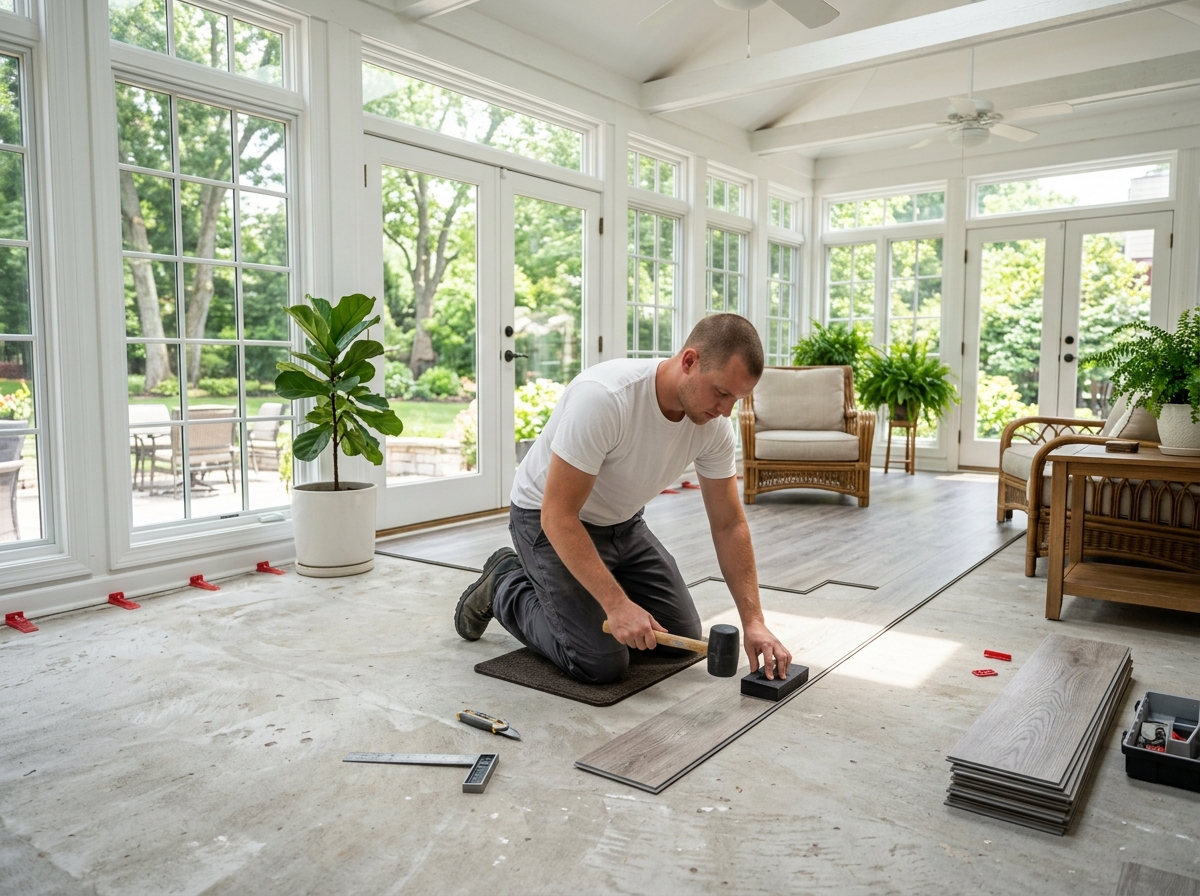
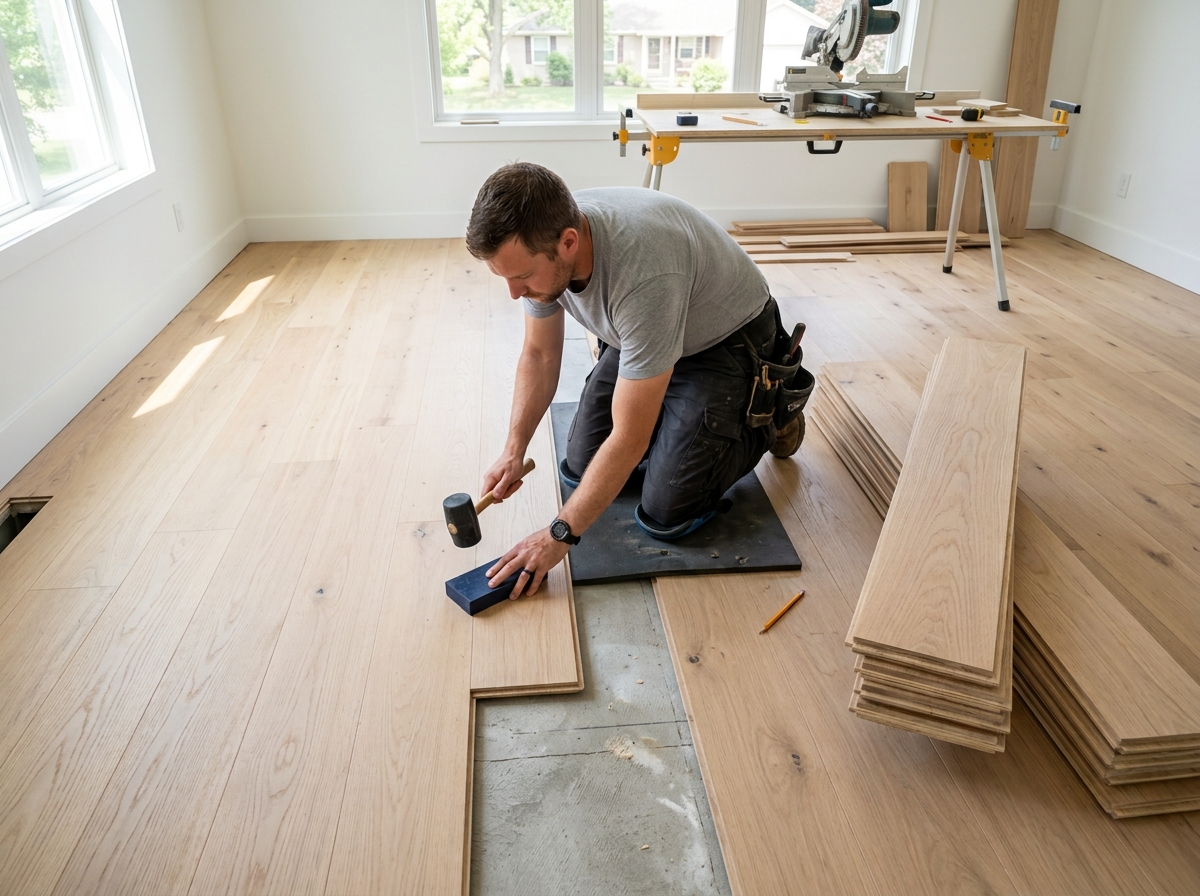
Installation waste is one of the largest environmental issues we face on site. Proper measurement, careful cutting, and planning reduce offcuts. When there are leftovers, we sort reusable pieces and coordinate with local recycling centers or reuse networks. For many projects we partner with salvage operations that accept surplus hardwood and tile. Where possible we suggest modular or plank systems that allow targeted repair instead of full replacement down the road, which can dramatically cut future waste.
Energy, emissions and local considerations
Energy used in producing and transporting flooring is a crucial part of the equation. Locally available materials or products with regional sourcing reduce transport emissions. Proper installation also contributes to energy efficiency—seamless transitions, tight seals, and well-installed underlayment can improve insulation and help maintain a steady indoor temperature. When we execute a Flooring Installation in Canoga Park, CA, we keep these details in mind because they matter for both comfort and the neighborhood’s carbon footprint.
Best practices for eco-friendly installations
Selecting low-emission adhesives and finishes, minimizing packaging, and choosing durable products are straightforward steps that homeowners and businesses can take. We also recommend asking suppliers about certifications like FSC for wood, floor product transparency reports, or third-party testing for VOCs. Proper disposal and donation of old materials should be part of every plan—donating usable flooring to community projects or charities keeps materials in use and benefits local residents.
How contractors and clients can collaborate
Open communication between clients and contractors leads to better environmental outcomes. During consultations we discuss goals—whether the priority is low maintenance, longevity, or the smallest possible footprint—and then outline options that fit. Transparency about timelines, material sourcing, and disposal plans helps reduce surprises. We encourage clients to schedule installations with minimal overlap in construction trades to reduce doubled-up transport and onsite disturbances.
Frequently Asked Questions
Q: Which flooring type is best for indoor air quality?
A: Low-VOC, water-based finishes and adhesives improve indoor air. Natural materials like cork or responsibly sourced hardwood, installed with low-emission adhesives, tend to perform well. Always ask for product emissions data and choose certified options when available.
Q: Can old flooring be recycled or donated?
A: Yes—many hardwoods, tiles, and some resilient materials can be recycled or donated if removed carefully. We separate materials on site and coordinate with local reuse organizations to keep usable items out of landfills whenever possible.
Q: How does installation affect local ecosystems?
A: Direct impacts are usually limited, but the broader effects come from material sourcing and transportation. Choosing locally sourced or certified materials reduces pressure on distant ecosystems, and careful waste handling protects local communities and waterways.
Q: Will eco-friendly flooring last as long as conventional options?
A: Many eco-friendly products are designed for durability. Properly maintained natural wood, high-quality tiles, and modern engineered products often match or exceed the lifespan of conventional materials. Longevity is a key part of sustainability.
When you’re ready to prioritize the environment alongside design and durability, our team can help you evaluate options and plan a responsible installation. For personalized guidance and to arrange a consultation, contact us about Flooring Installation in Canoga Park, CA—we’ll walk you through material choices, disposal plans, and installation methods that reduce environmental impact while delivering the look you want.
IDN Hardwood and Carpet Superstore
7947 Canoga Ave, Canoga Park, CA 91304, United States
Phone: +1 (818) 888-8051