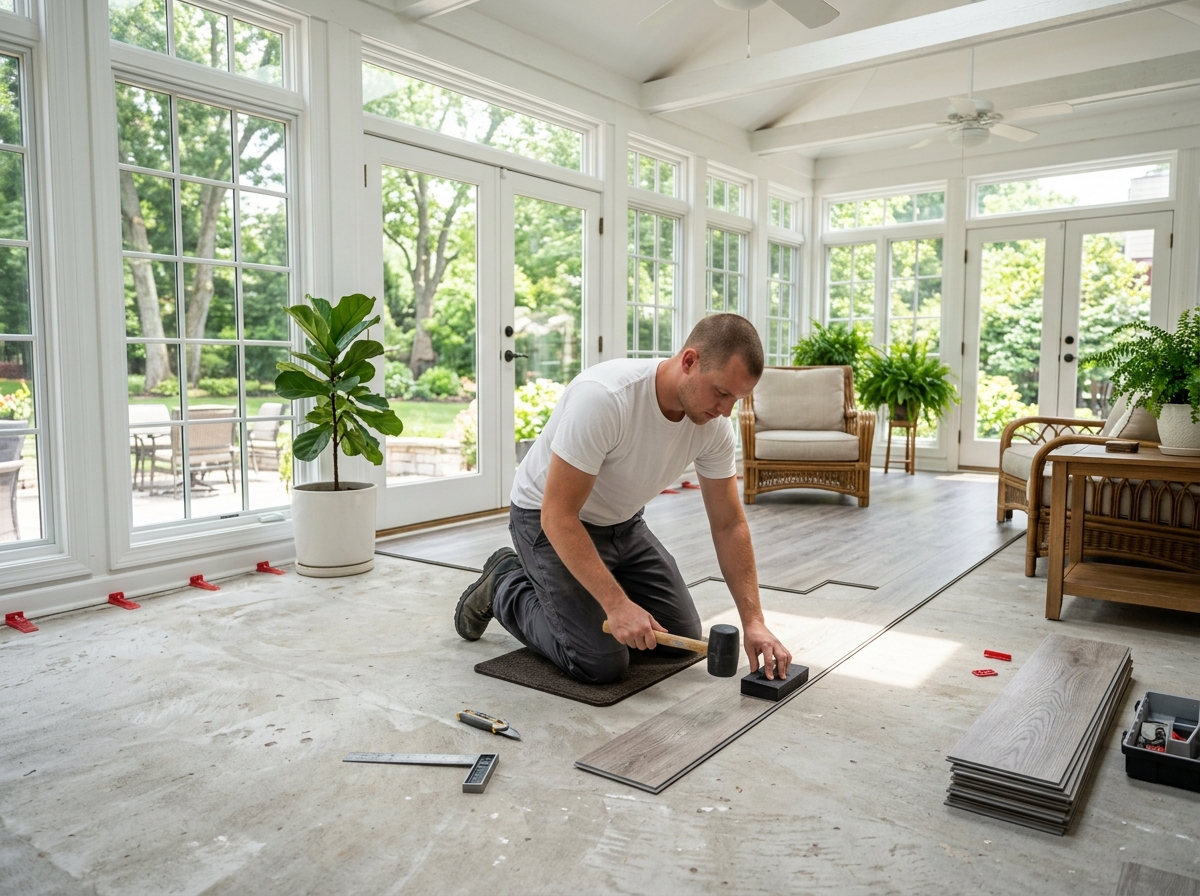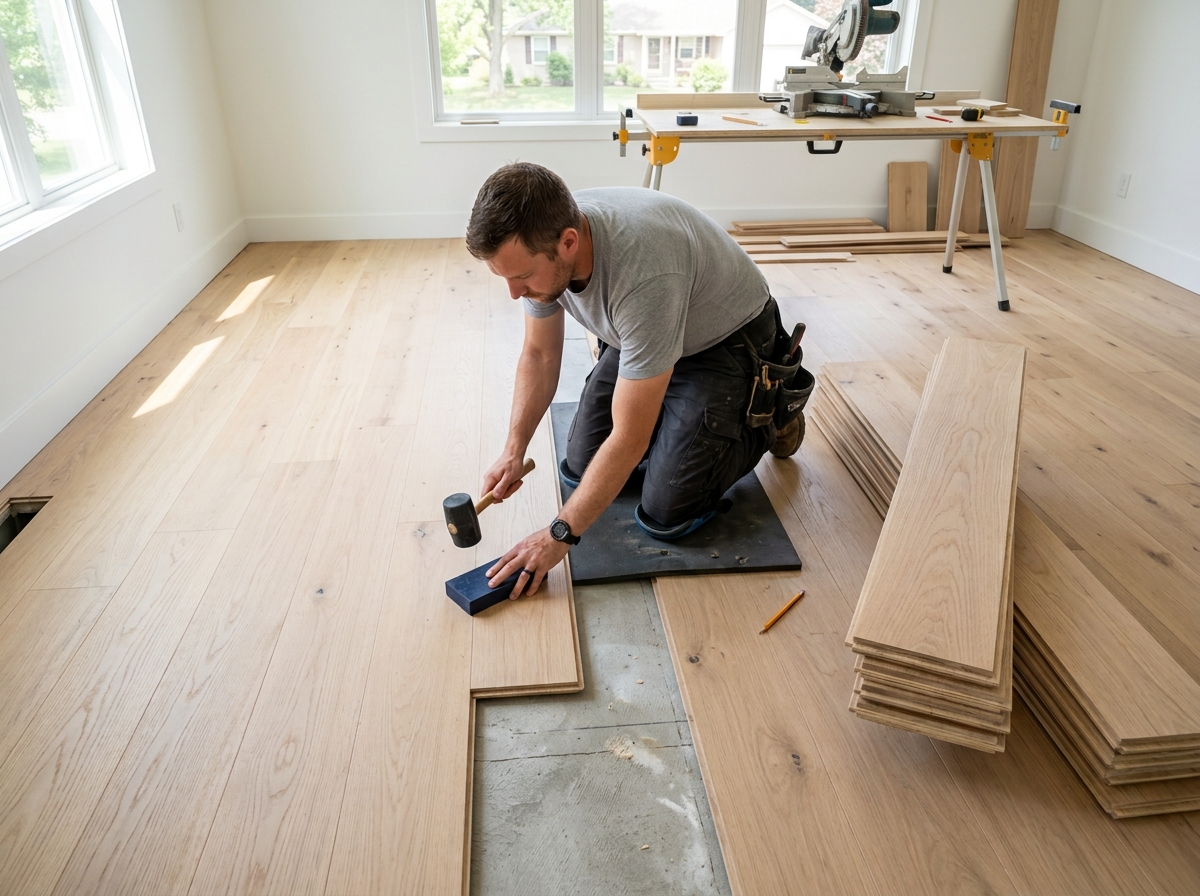
Flooring installation is one of those home projects that looks simple from the outside and turns out to be full of small decisions that add up. After years of working in homes across the San Fernando Valley, I can tell you that the floors people are happiest with years later are rarely the ones that cost the most. They are the ones where someone took the time to plan carefully, prepare the space properly, and install every board, plank, or roll the right way.
Whether you are replacing worn carpet in a bedroom, putting hardwood through your main living area, or updating an entire home, the process follows a similar path. This guide walks through how we approach flooring installation from the first conversation to the final walkthrough, and what to look for when choosing a flooring contractor you can trust.
In this article: what a complete flooring installation includes, seven steps we follow on every project, how different materials change the plan, and the questions worth asking before you hire anyone.
What Does a Complete Flooring Installation Include?
Many homeowners picture flooring installation as the day a crew shows up and lays new material. That day matters, but it is only one part of a longer process. A complete flooring installation includes choosing the right product, measuring accurately, evaluating the subfloor, preparing the surface, installing the material, and finishing details like trim and transitions between rooms.
When any of those pieces gets rushed, the problems usually appear later: gaps between boards, a floor that sounds hollow underfoot, seams that lift, or carpet that ripples. Most of these issues trace back to preparation, not to the material itself. That is why we spend so much time on the steps most people never see.
Why the Right Flooring Contractor Makes the Difference
Two crews can install the same product and deliver very different results. A skilled flooring contractor brings more than tools and labor. They know how materials behave in real homes, how to spot a subfloor problem before it becomes expensive, and how to explain options honestly instead of steering you toward whatever is easiest to install.
Licensing is a good place to start. In California, you can look up any contractor’s license status and history through the Contractors State License Board. IDN Hardwood and Carpet Superstore operates under CSLB license #1013978, and we encourage every homeowner to verify credentials before signing anything, ours included. A contractor who is confident in their work will never mind that question.
Our 7 Steps for a Flawless Flooring Installation
Step 1: Start With a Real Conversation
Before we talk about products, we talk about your home. How many people live there? Are there pets or young kids? Which rooms get the most sun, the most traffic, or the most moisture? These answers narrow the field quickly. A busy kitchen and a quiet guest room should rarely get the same floor, even if you love the same color in both.
Interior design guidance is part of this conversation at no extra cost, so you are not left guessing how a material will look with your cabinets, walls, and furniture.
Step 2: Measure Carefully and Plan the Layout
Accurate measurements prevent two common headaches: running short mid-project or paying for far more material than you need. We also plan the layout at this stage, including which direction planks will run, where seams will fall, and how the floor will transition from one room to the next. In open floor plans, these layout choices affect how the entire space feels.
Step 3: Evaluate the Subfloor
This is the step that protects your investment more than any other. A flat, dry, solid subfloor is the foundation of every good flooring installation. We check for moisture, uneven areas, loose sections, and old adhesive or debris. If something needs correcting, we tell you before the work begins, not after the new floor is already down.
Step 4: Allow Materials to Acclimate
Wood and some other flooring products react to the humidity and temperature of your home. Letting them adjust before installation helps prevent buckling, cupping, and gaps later on. The time needed depends on the material, which is why we plan acclimation into the schedule instead of treating it as an afterthought.
Step 5: Remove and Prepare
If old flooring is coming out, we remove it carefully and handle disposal. Then we clean and prepare the surface so the new material has a proper base. Rushing this part is a shortcut that rarely pays off.
Step 6: Install With Precision
Now the actual installation begins. Spacing, fastening, adhesive coverage, seam placement, and expansion gaps all depend on the product and the room. We work methodically and check alignment as we go rather than waiting until the end. Stair installations, in particular, demand patience, since every step has to be measured and fitted individually.
Step 7: Finish the Details and Walk Through Together
Trim, thresholds, and transitions are what make a floor look finished. Once everything is in place, we walk the space with you, point out care instructions, and answer questions. You should leave that walkthrough knowing exactly how to look after your new floor.
How Different Materials Change the Plan
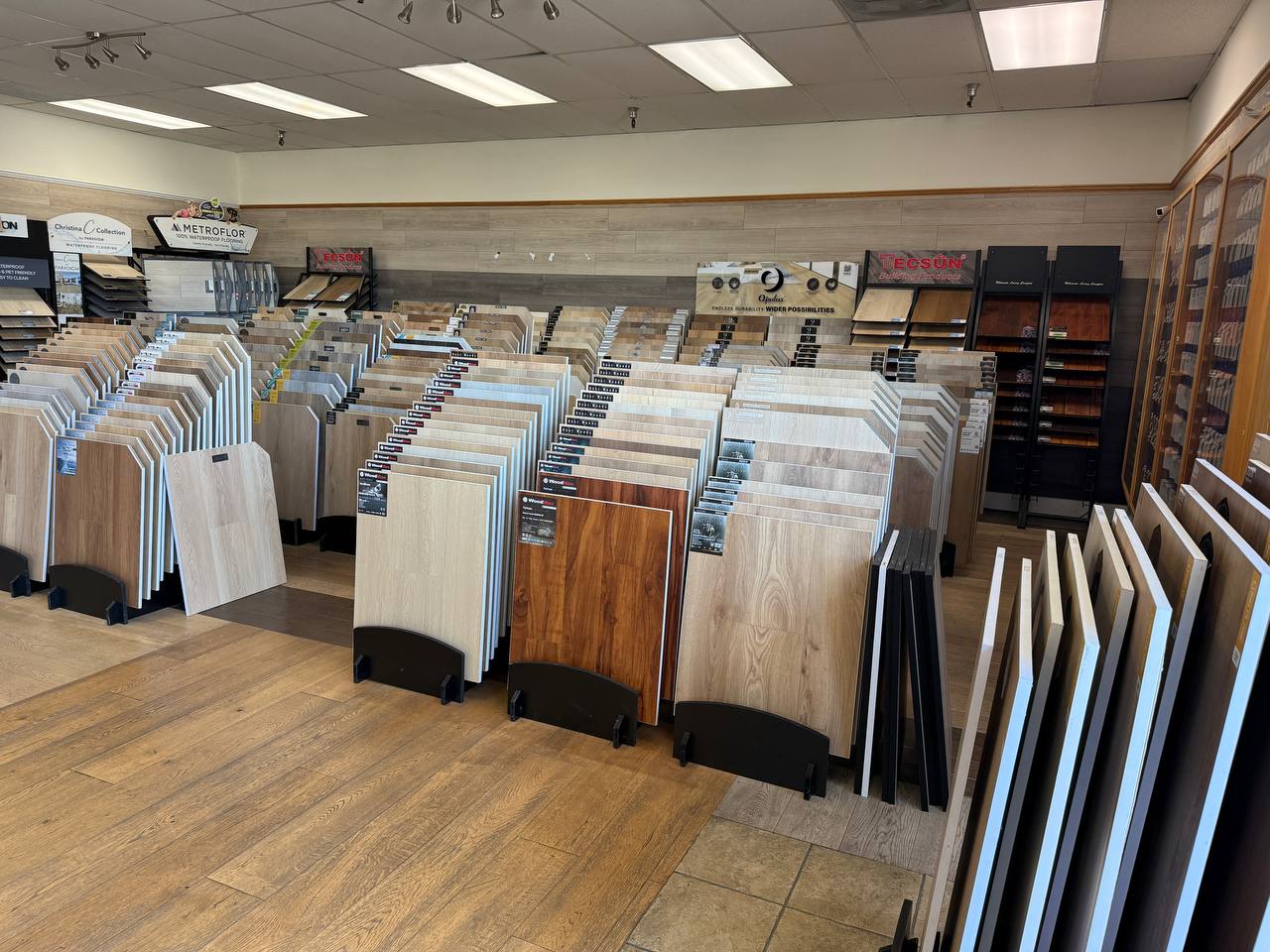
The seven steps stay consistent, but the details shift depending on what you choose. Here is how each material tends to differ.
Hardwood. Solid wood needs careful acclimation and a dry, stable subfloor. If you are weighing a project in this category, our page on hardwood floor installation explains the process in more detail.
Engineered hardwood. Its layered construction handles humidity changes better, and it can often go places solid wood cannot. You can learn more about engineered hardwood and where it fits best.
Laminate. A smart choice for busy living areas and bedrooms where you want a wood look with strong scratch resistance. Underlayment matters here, so see our overview of laminate flooring for what to consider.
Vinyl. Waterproof SPC and WPC planks are popular for kitchens, laundry rooms, and entryways. Our vinyl flooring page covers the differences between the two.
Carpet. Padding, stretching, and seam placement decide how a carpet feels and lasts. Explore our carpet flooring options if comfort underfoot is your priority.
Stairs. Treads, risers, and railings need a different level of precision altogether. If your staircase is part of the project, take a look at our stair system solutions.
Serving Homeowners Across the San Fernando Valley and Beyond
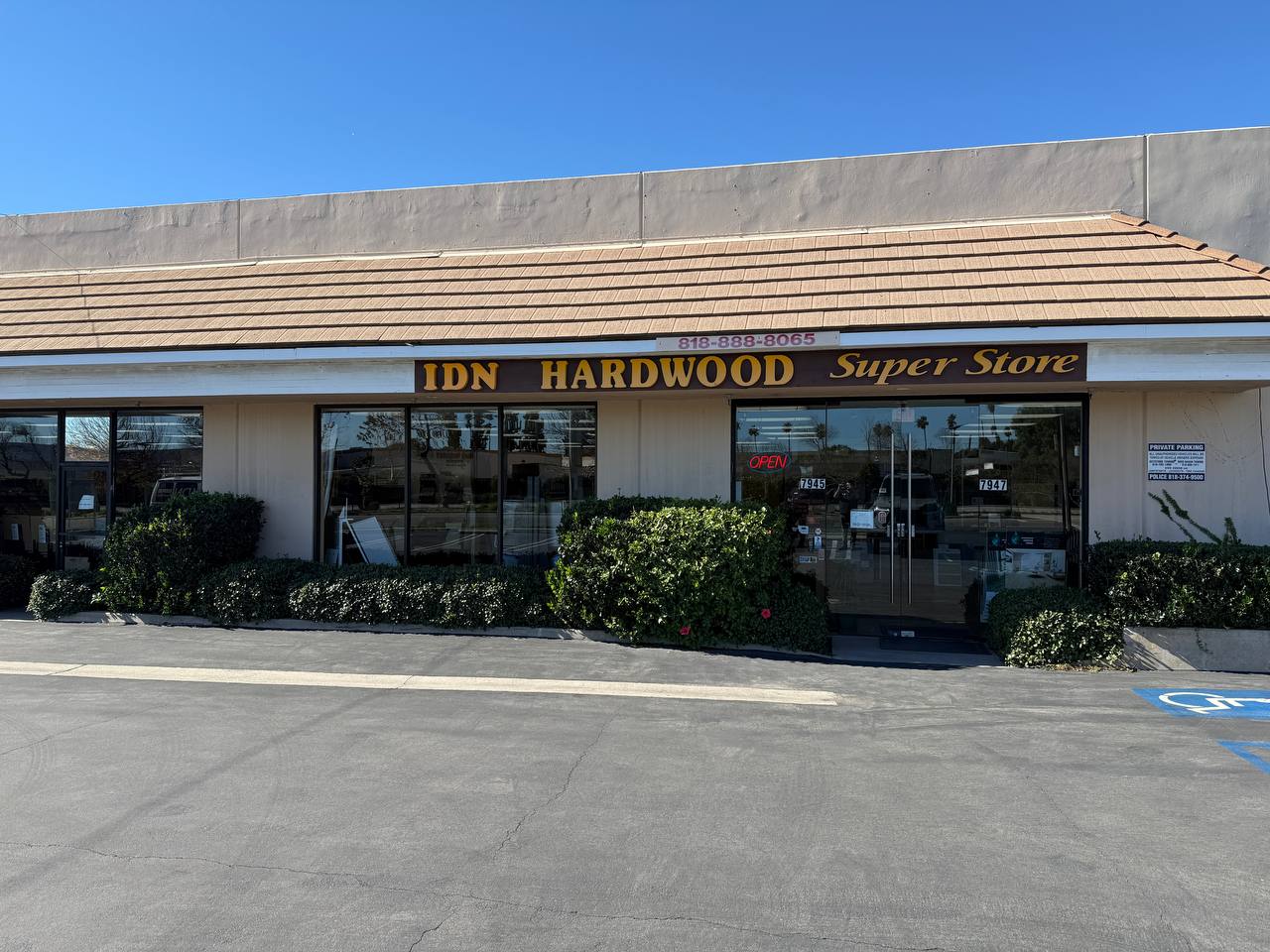
Our showroom is in Canoga Park, and from there we work with homeowners throughout the Valley and surrounding communities. Many of our projects are in neighborhoods like Woodland Hills and West Hills, where a mix of established homes and recent remodels means every project starts with its own set of conditions.
We also serve farther-out communities such as Calabasas, Thousand Oaks, and Santa Clarita. You can see the full list on our service area page. Wherever your home is, the approach stays the same: honest guidance, careful preparation, and installation done properly.
Questions to Ask Before You Hire a Flooring Contractor
Whoever you choose, a few questions will tell you a lot. Ask whether they handle both materials and installation, whether they test the subfloor before starting, how they plan for acclimation, and what happens if an issue comes up after the work is finished. Ask to see samples in person, and ask for the license number so you can verify it yourself.
The answers matter, but so does the way they are delivered. A contractor who explains things clearly and does not rush you into a decision is usually the one who will do the same on installation day.
Frequently Asked Questions
How long does a typical flooring installation take?
It depends on the material and the size of the space. Many single rooms can be completed in one to a few days, while whole-home projects take longer. Acclimation time and subfloor preparation are the biggest factors, and we outline the timeline before work begins.
Do I need to move my furniture before installation?
Yes, the work area should be cleared ahead of time. We let you know exactly what needs to move so installation day starts on schedule.
Can I mix different flooring materials in the same home?
Absolutely. Many homeowners use waterproof vinyl in kitchens and bathrooms, then choose hardwood, engineered wood, or laminate in living areas and carpet in bedrooms. We help plan the transitions so the result feels intentional.
What is the difference between a flooring store and a flooring contractor?
A store primarily sells materials, while a flooring contractor manages the installation. We do both, so one team is responsible from product selection through the final walkthrough.
How do I know if my subfloor is ready for new flooring?
A visual inspection and moisture testing are the only reliable ways to know. We evaluate this on every project before installation begins.
Ready to Plan Your Flooring Installation?
If you are thinking about a new floor, the best first step is a conversation. We will listen to what you need, show you materials in person, and give you an honest recommendation. Request a free consultation or visit our Canoga Park showroom on Google Maps and let’s talk about your project.
IDN Hardwood and Carpet Superstore
7947 Canoga Ave, Canoga Park, CA 91304, United States
818-888-8051