As a hardwood flooring professional who has worked across neighborhoods in the valley, I often get asked about the right time to check a home’s floors. Living in Canoga Park, our climate and typical home conditions mean that a timely check can protect both appearance and long-term value. If you own or manage hardwood, paying attention to the cues and scheduling routine checks for Hardwood Floor in Canoga Park, CA can prevent small issues from turning into major repairs.
When seasonal changes matter
Hardwood reacts to shifts in humidity and temperature, expanding in moist periods and contracting in dry spells. In Canoga Park, we experience dry winters with indoor heating and warm summers that can bring humidity changes. Inspecting floors at the change of seasons—particularly when you switch between heating and cooling—lets you spot gaps, cupping, or buckling early. A visual inspection and a simple touch test along baseboards and in closets often reveal whether planks are moving enough to warrant further attention.
Signs that trigger an immediate inspection
Beyond seasonal checks, certain signs should prompt you to inspect right away. These include visible warping, soft spots that depress underfoot, sharp increases in squeaking, or a musty odor that suggests unseen moisture. Pet stains, localized darkening, or a persistent damp smell under rugs are red flags. Sometimes damage is limited to a single area—near a sink, exterior door, or an upstairs bathroom—and early detection focuses repairs before the issue spreads.
After water events or plumbing issues
Even small leaks, when left unchecked, can lead to swelling, cupping, and finish failure. After any plumbing incident, roof leak, or appliance overflow, inspect immediately. Pull back rugs, check adjacent rooms, and examine seams and surface finish. In many cases, surface drying and professional drying equipment can save the floor. If boards remain distorted after drying, a deeper intervention such as sanding or partial replacement may be needed to restore both function and appearance.
Before listing or finishing your home
If you’re preparing to sell, or you plan to refinish floors to refresh a space, schedule a thorough inspection. Buyers and appraisers notice uneven wear, mismatched repairs, and areas where finish has worn through. An inspection helps prioritize areas that benefit from sanding and refinishing or where plank replacement is a smarter investment. Knowing the condition upfront also helps you set realistic expectations for timelines and outcomes during any restoration.
Routine maintenance inspections and DIY checks
Routine care keeps hardwood performing well. Simple DIY checks include looking for separation at board ends, testing for seasonal movement along walls, and listening for new squeaks. Cleanliness matters: grit and debris act like sandpaper underfoot, accelerating finish wear. If you spot finish loss or localized wear, a targeted touch-up or screen-and-recoat may be appropriate. For anything that looks structural, call a pro before attempting heavy repairs.
How a professional inspection helps
A trained inspector assesses subfloor conditions, moisture content, and fastening systems that you might miss. Professionals use moisture meters and experience to diagnose whether visible problems are cosmetic or signs of deeper failures. They can advise whether sanding, spot repairs, or full replacement is the best course. For homeowners in our area, an expert inspection also factors in local climate trends and typical installation issues we see in Canoga Park homes.
Mid-project checks and follow-up
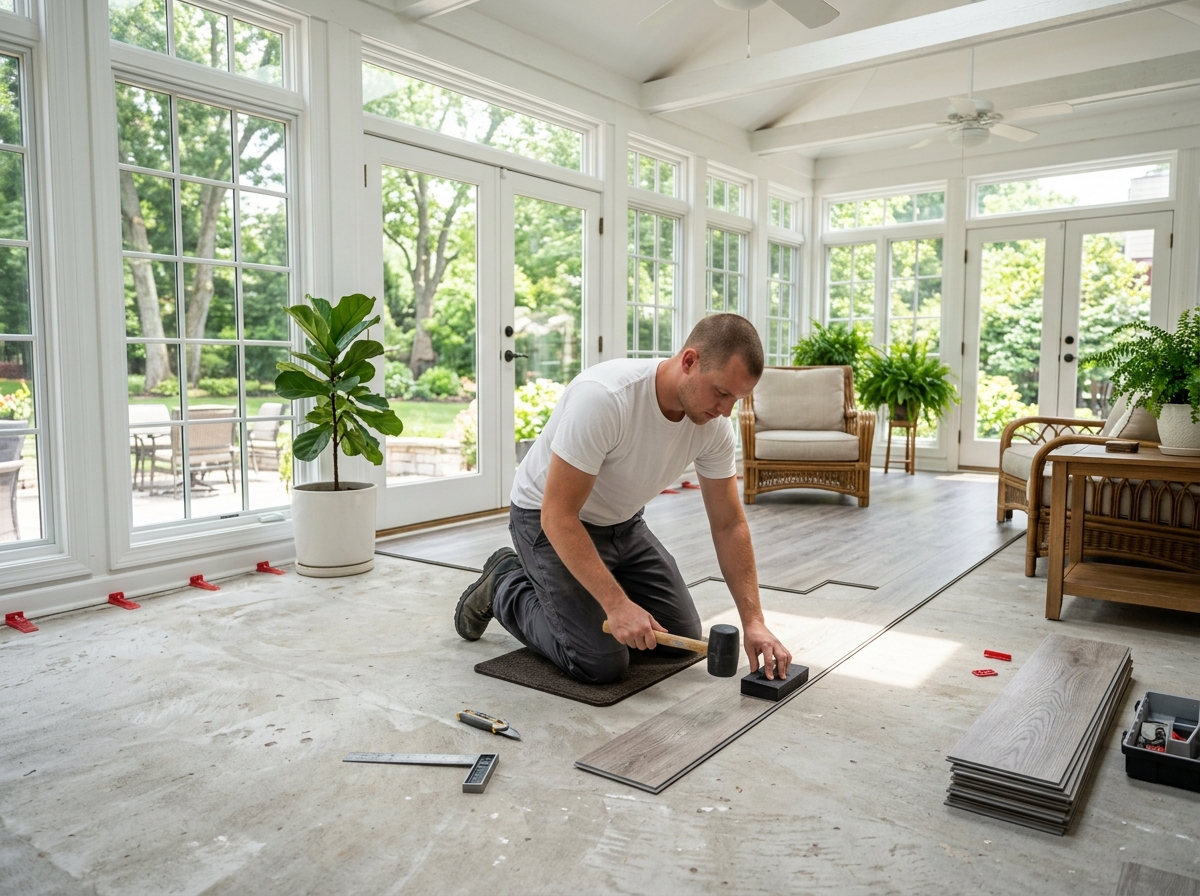
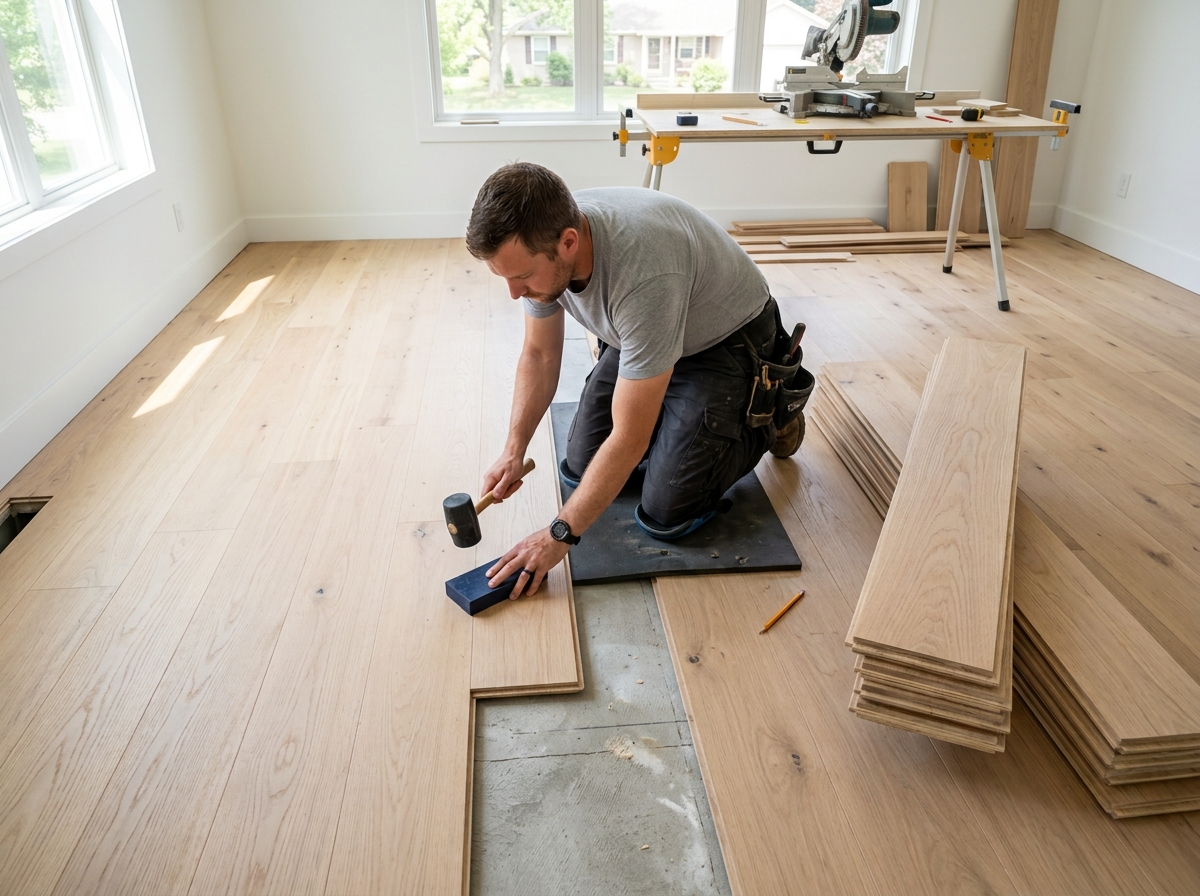
When you have work done—whether refinishing, installing new planks, or repairing an area—schedule a follow-up inspection. Proper acclimation of new wood, correct fastening, and appropriate finishes all make a difference in long-term performance. Bringing in a specialist midway through a project can catch installation errors early. If you want a dependable partner for that, I recommend checking resources specific to our region like Hardwood Floor in Canoga Park, CA for guidance and local expertise.
FAQ
Q: How often should I inspect my hardwood floors? A: Inspect at least twice a year—when seasons change—and immediately after any water event or if you notice changes in sound or appearance.
Q: Can I dry out floors after a spill myself? A: Small spills can be blotted and dried, but larger or prolonged exposure often requires professional drying to avoid cupping or mold beneath the surface.
Q: Is refinishing always the solution for worn floors? A: Not always. Refinishing restores finish layers and can remove surface scratches, but structural damage or deeply cupped boards may need repair or replacement first.
Q: When should I call a professional? A: Call a pro when you detect soft spots, persistent odors, large areas of movement, or water damage that does not resolve within a day or two of drying.
Maintaining your hardwood is an ongoing conversation between daily care and timely professional inspection. If you’re concerned about signs you see at home or planning a renovation, reach out to local specialists who understand our climate and common installation issues. For dependable advice and hands-on help, consider scheduling an expert review of your Hardwood Floor in Canoga Park, CA—it can save time and preserve value while keeping your home comfortable.
IDN Hardwood and Carpet Superstore
7947 Canoga Ave, Canoga Park, CA 91304, United States
Phone: +1 (818) 888-8051